

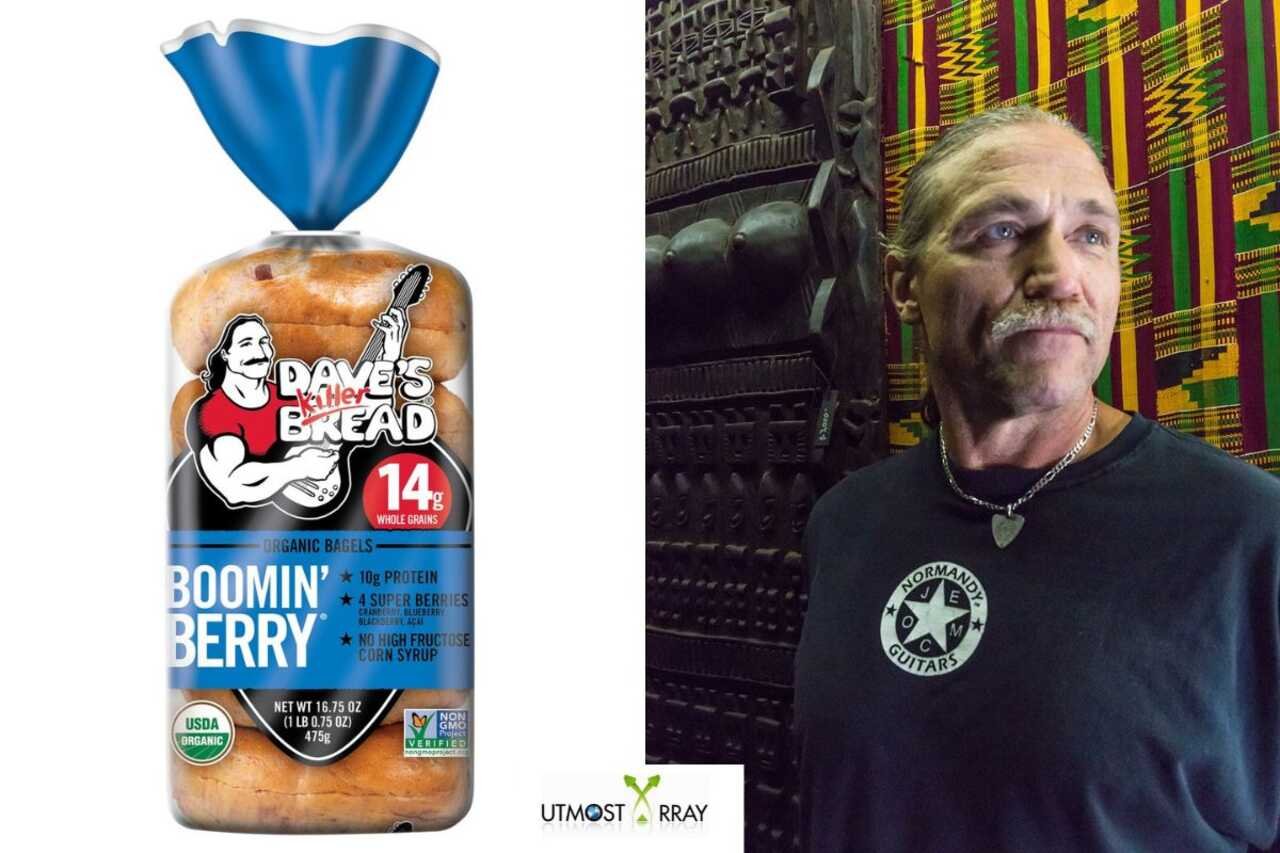
Dave’s Killer Bread is one of the most recognizable names in the U.S. organic bakery aisle — known not only for its dense, seed-packed loaves but also for its social mission. The brand’s story is a blend of redemption, entrepreneurship, and corporate acquisition, culminating in its 2015 purchase by Flowers Foods, a leading baked-goods conglomerate. Beyond the company’s success, many people are curious about Dave Dahl net worth, as it reflects how his inspiring journey from incarceration to innovation shaped one of America’s most beloved bread brands. Understanding who owns Dave’s Killer Bread today reveals much about how mission-driven brands evolve when they join larger corporate ecosystems.
Who Currently Owns Dave’s Killer Bread?
Dave’s Killer Bread is owned by Flowers Foods, Inc., a publicly traded company based in Thomasville, Georgia, best known for staple bread brands like Nature’s Own and Wonder Bread. The acquisition brought the organic, seed-heavy brand into a national distribution network while maintaining its distinct personality.
Flowers Foods operates more than 45 bakeries across the U.S. and ranks among the top bakery manufacturers in North America. Its portfolio strategy centers on balancing mainstream and premium brands — and Dave’s Killer Bread is the cornerstone of its organic and health-focused segment.
When Did the Ownership Change Happen?
The transition occurred in September 2015, when Flowers Foods announced its acquisition of Dave’s Killer Bread for roughly $275 million in cash. Prior to the sale, the company was majority owned by Goode Partners LLC, a private equity firm that helped scale the brand’s reach beyond the Pacific Northwest.
What Was the Acquisition Price and Structure?
The total deal was valued at $275 million, paid entirely in cash. Flowers Foods purchased Dave’s Killer Bread Company, including intellectual property, recipes, and operational assets. Founders and investors retained minor equity interests, though the controlling stake transferred completely to Flowers Foods.
The acquisition was framed as a strategic buyout, giving Flowers access to a rapidly growing segment of the premium organic bread market.
How Does Dave’s Killer Bread Fit into the Parent Company’s Portfolio?
Within the Flowers Foods portfolio, Dave’s Killer Bread functions as the flagship premium-organic label. Alongside Canyon Bakehouse (gluten-free) and Nature’s Own (mainstream whole grain), DKB allows Flowers Foods to cover multiple consumer niches.
The brand is managed semi-independently from the corporate office, maintaining its distinct voice, packaging design, and social initiatives, even as production and distribution are integrated into the parent company’s infrastructure.
Who Founded Dave’s Killer Bread and How Did It Grow?
What’s the Backstory of Dave Dahl and the Family Bakery?
Dave’s Killer Bread originated from the Dahl family bakery, founded in 1955 in Milwaukie, Oregon. After years of personal struggle, Dave Dahl returned to the family business in the early 2000s following a prison sentence. His comeback story became the emotional and branding core of the company.
Dave experimented with bold recipes — high in whole grains, seeds, and organic ingredients — which soon differentiated the brand from conventional bread products. The “killer” name reflected both flavor intensity and a sense of redemption.
How Did the Brand Scale and Differentiate?
By emphasizing organic certification, non-GMO ingredients, and high protein content, Dave’s Killer Bread appealed to health-conscious consumers. Its bold packaging and authentic founder story created strong shelf recognition.
The company’s “Second Chance Employment” policy — prioritizing hiring of people with criminal records — became a defining social mission, intertwining ethical and nutritional values.
This fusion of product innovation and social purpose transformed DKB from a local bakery product into a national movement for second chances and clean eating.
What Role Did Private Equity or External Investors Play Pre-Sale?
In 2012, Goode Partners LLC, a New York private equity firm, invested in DKB, accelerating national distribution. The infusion of capital supported production expansion and marketing, preparing the company for its eventual acquisition by a larger corporate buyer.
Goode’s involvement illustrates a common lifecycle in mission-driven consumer brands — where private equity bridges the gap between independent growth and corporate acquisition.
What Changed After Flowers Foods Acquired It?
Operational and Distribution Changes
Post-acquisition, Dave’s Killer Bread gained access to Flowers Foods’ nationwide distribution system, which covers major grocery chains, convenience stores, and food service channels. This allowed DKB to expand from regional to national availability within two years.
Manufacturing was partially consolidated within Flowers facilities but retained key production elements from the original Oregon plant to ensure brand continuity.
Brand Consistency, Recipe & Quality Assurances
Despite integration, Flowers Foods committed to keeping recipes intact, continuing to use organic whole grains and non-GMO ingredients. The brand’s USDA Organic certification and signature seed-forward style remained unchanged.
This approach mirrored other Flowers acquisitions — maintaining brand authenticity while leveraging corporate resources — a strategy seen also with Canyon Bakehouse and Tasty Baking Company.
Employee Impact, Especially on “Second Chance Employment”
One of the biggest consumer concerns post-acquisition was whether Second Chance Employment would continue. Flowers Foods has confirmed multiple times that DKB’s hiring model remains active at the Oregon bakery.
While scaling makes full replication difficult nationwide, the core ethos of inclusion and opportunity remains embedded in the brand’s public messaging and internal training culture.
What Is the Founder’s Current Role and Stake?
Did Dave Dahl Retain Any Ownership or Involvement?
After the acquisition, Dave Dahl retained a minor equity interest but stepped away from daily operations. He continues to serve as a symbolic figurehead rather than an executive decision-maker.
Although no longer involved in business management, his personal narrative remains integral to the brand’s identity and marketing.
Licensing of His Likeness or Story
Dave Dahl’s image and story are licensed to Flowers Foods under a long-term agreement, ensuring his presence continues on packaging and promotional materials. This licensing arrangement allows the brand to preserve authenticity while respecting Dahl’s personal autonomy.
His Present Ventures Outside Bread
Since stepping away, Dave Dahl has pursued public speaking, documentary projects, and investments in rehabilitation and social enterprise initiatives. His work focuses on advocating for reentry programs and reducing stigma around formerly incarcerated individuals — the same mission that powered his bread brand’s ethos.
Why Does Ownership Matter to Consumers and Brand Perception?
How Do Ownership Changes Influence Consumer Trust and “Indie” Appeal?
When indie or mission-driven brands are acquired, consumers often worry about authenticity erosion. Dave’s Killer Bread has navigated this tension carefully: while it’s no longer independently owned, its transparency about ownership and mission continuity has helped retain consumer trust.
The brand maintains strong storytelling and purpose-driven marketing — key to surviving the “corporate sellout” perception common after acquisitions.
Impact on Social Mission and Messaging
Under Flowers Foods, DKB continues to fund and promote Second Chance Employment, aligning with broader ESG (Environmental, Social, and Governance) goals. The company publicly reports its community impact, integrating social messaging with corporate social responsibility (CSR) initiatives.
Examples of Similar Brand Acquisitions with Consumer Backlash/Support
Comparable acquisitions include Ben & Jerry’s by Unilever and Annie’s Homegrown by General Mills, where mission retention was crucial to consumer loyalty. In each case, maintaining brand independence within corporate ownership proved essential — a balance Flowers Foods has largely succeeded in with Dave’s Killer Bread.
Where Is Dave’s Killer Bread Sold and How Is It Distributed?
U.S. Retail Presence, National Coverage
Dave’s Killer Bread is now sold in nearly all major U.S. grocery chains, including Walmart, Target, Costco, and Kroger. Flowers’ national distribution network has enabled over 20,000 points of sale, a dramatic leap from the brand’s pre-2015 regional footprint.
Canada & Export Markets
The brand also expanded into Canada and select international markets through partnerships with distributors aligned to organic and natural foods retailers. Cross-border expansion leverages Flowers Foods’ global logistics framework.
Role of Flowers Foods’ Distribution Network
Flowers operates a direct-store-delivery (DSD) system, meaning its independent distributors handle stock rotation and merchandising — a competitive advantage in the fresh bakery sector. Dave’s Killer Bread now benefits from this system, ensuring freshness and consistent availability nationwide.
What Alternatives or Competitors Exist in the Organic Bread Space?
| Brand | Parent Company | Key Focus | Ownership Type |
| Ezekiel 4:9 (Food for Life) | Independent | Sprouted-grain breads | Privately owned |
| Silver Hills Bakery | Silver Hills Sprouted Bakery Ltd. | Sprouted, non-GMO | Independent |
| Rudi’s Organic Bakery | Hain Celestial Group | Organic, gluten-free | Publicly traded |
| Canyon Bakehouse | Flowers Foods | Gluten-free breads | Corporate subsidiary |
Differences in Business Models
Competitors vary by scale and mission. Independent bakeries like Ezekiel prioritize artisanal processes, while corporate-owned brands like DKB use hybrid models — combining industrial efficiency with organic certification.
Flowers Foods’ acquisition strategy exemplifies vertical integration, balancing supply chain control with brand autonomy.
How Ownership Influences Innovation, Pricing, and Marketing
Corporate backing enables larger R&D budgets, helping DKB expand into new product lines such as bagels, buns, and snack bars. Pricing stability improves due to economies of scale, though critics argue that corporate ownership can temper experimental innovation.
However, DKB’s continued expansion into protein-forward and low-sugar products suggests Flowers has sustained innovation rather than stifled it.
What Does the Future Hold for Dave’s Killer Bread Under Flowers Foods?
Potential Product Expansion or Acquisitions
Industry analysts expect DKB to diversify into breakfast and snack categories, leveraging consumer trust in the brand’s health halo. Flowers may also pursue bolt-on acquisitions to strengthen its organic portfolio.
Challenges from Supply Chains, Ingredient Sourcing, and Consumer Trends
Global grain price volatility and organic certification costs remain ongoing challenges. Maintaining 100% organic sourcing while scaling production requires close supplier partnerships. Sustainability pressures may also drive a shift toward regenerative agriculture sourcing.
Potential for Further Brand Spin-Offs or Repositioning
Given its strong brand equity, Flowers could spin off DKB as a distinct division focused on organic innovation. Future repositioning might include plant-based and protein-enriched lines, or expanded global exports.
Conclusion
Dave’s Killer Bread’s ownership story mirrors the modern food industry’s tension between independence and scale. Since its 2015 acquisition by Flowers Foods, the brand has achieved nationwide reach without abandoning its founding mission of quality, redemption, and inclusivity.
Its success demonstrates that corporate acquisition doesn’t have to mean mission dilution — when handled transparently and authentically, it can amplify both purpose and profit.
FAQs
- Who owns Dave’s Killer Bread today?
Dave’s Killer Bread is owned by Flowers Foods, Inc., a major U.S. bakery company headquartered in Thomasville, Georgia. - When and for how much was Dave’s Killer Bread sold?
It was acquired in September 2015 for approximately $275 million in cash. - Is Dave Dahl still part of the company?
Dave Dahl retains a small ownership interest but no longer manages operations. His image and story are licensed to the brand. - Does the bread recipe or quality change under new ownership?
No. Flowers Foods has maintained the original recipes and USDA Organic, Non-GMO standards that made DKB popular. - What is “Second Chance Employment” and does it continue?
It’s the brand’s commitment to hiring people with criminal backgrounds. The initiative continues, especially at the original Oregon bakery. - How widespread is Dave’s Killer Bread’s distribution now?
The brand is sold nationwide across major U.S. retailers and has expanded into Canadian markets. - How does ownership influence consumer perception of organic brands?
Ownership transparency matters — when large corporations preserve mission and quality, consumer trust can remain strong, as DKB illustrates. - Could Flowers Foods spin off or sell Dave’s Killer Bread in the future?
While no public plans exist, analysts note that Flowers could develop DKB as a standalone division or pursue international expansion.
Read also:
Dave Dahl Wife: Exploring the Life, Relationships, and Legacy
