

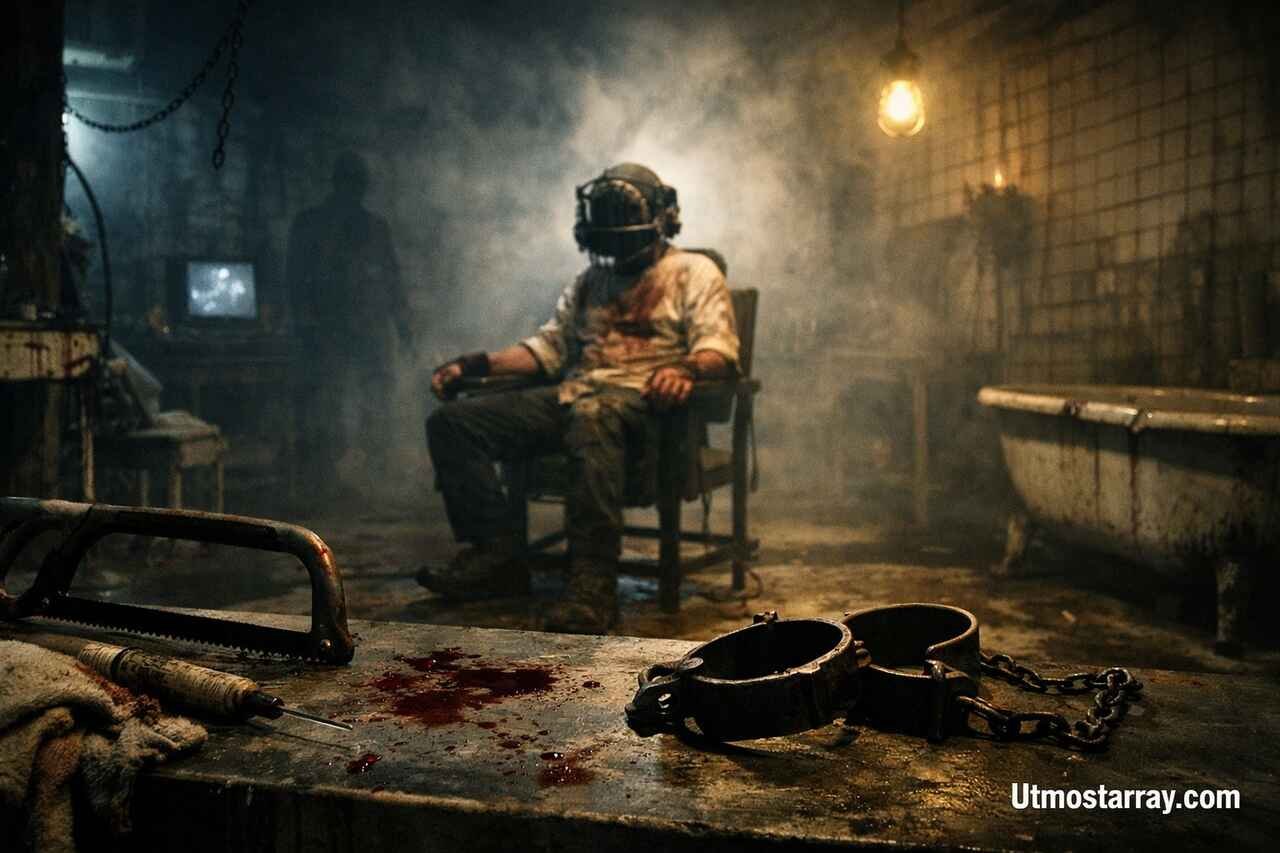
Highlights
- Psychological thrillers create deeper engagement by combining fear with moral decision-making, which makes viewers think rather than just react
- Survival-based movies like Cube and Escape Room focus on puzzles, confinement, and time pressure, which increases tension and viewer involvement
- Dark investigative narratives such as Se7en and Zodiac connect crime-solving with psychological depth and ethical conflict
- Torture-centered horror like Hostel and The Collector amplifies fear through physical and emotional extremes, which creates a lasting impact
- Twist-driven storytelling in Shutter Island and The Sixth Sense reshapes perception and rewards attentive viewers
- Emotional engagement and intellectual stimulation act as the core reasons why audiences seek films similar to Saw
- Personal viewing experience shows that these films feel interactive because viewers naturally try to solve puzzles and predict outcomes
Introduction
Psychological horror and survival thrillers create a unique emotional response by combining tension, moral dilemmas, and intense storytelling. Movies like Saw stand out because they challenge not only the characters but also the viewer’s sense of right and wrong. Such films rely on suspense, intricate plots, and shocking twists to keep audiences engaged. Many viewers search for similar cinematic experiences that deliver the same adrenaline, intellectual stimulation, and emotional intensity. This article explores deeply engaging films that follow similar themes, narrative styles, and psychological depth while also sharing personal insights to guide your viewing journey.
What Makes Movies Like Saw So Engaging?
Movies similar to Saw focus on psychological tension, moral conflict, and survival instincts. These films often place characters in extreme situations where every decision carries life-or-death consequences. Such storytelling creates an immersive experience that forces viewers to think critically while feeling emotionally invested.
Narrative complexity plays a crucial role in engagement. Non-linear storytelling, hidden clues, and unexpected twists keep viewers guessing until the very end. Directors intentionally design these plots to reward attentive audiences, which makes rewatching equally satisfying.
I personally feel that these films create a conversation between the movie and the viewer. While watching, I often find myself asking what choices I would make in similar situations, and that mental engagement is what keeps me hooked.
How Psychological Fear Differs from Traditional Horror
Psychological fear focuses on the mind rather than visual shock. Emotional tension, uncertainty, and anticipation replace jump scares, making the experience more lasting and impactful.
Why Moral Dilemmas Drive Viewer Interest
Moral dilemmas force characters to make impossible decisions. These conflicts resonate deeply because they reflect real human fears and ethical struggles.
Which Movies Capture the Same Trapped Survival Theme?
Films with trapped survival scenarios create intense claustrophobic tension. Movies like Cube and Escape Room place characters in confined spaces where teamwork and intelligence become the only tools for survival.
Each scene in these films builds pressure through limited resources and time constraints. Viewers experience a sense of urgency as characters attempt to decode puzzles or escape deadly traps.
From my experience, these films feel almost interactive. I find myself trying to solve the puzzles alongside the characters, which makes the viewing experience more engaging and mentally stimulating.
Cube
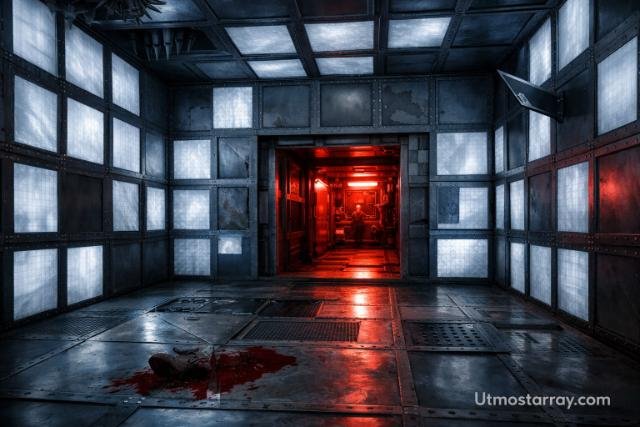
Cube presents interconnected rooms filled with deadly traps. Logical reasoning becomes the only way out, creating a tense intellectual challenge.
Escape Room
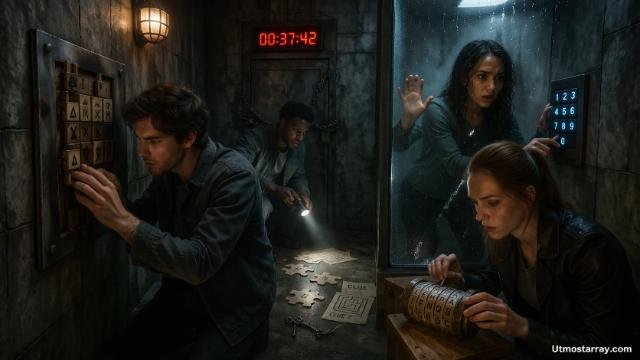
Escape Room modernizes the survival puzzle concept with elaborate set designs and high-stakes challenges that test both intelligence and emotional resilience.
Which Films Explore Dark Psychological Games?
Psychological game-based thrillers expand on manipulation and control. Movies like Se7en and The Game showcase how masterminds orchestrate events to test human nature.
These films rely heavily on character development and slow tension buildup. Every revelation adds a layer of complexity, making the audience question reality alongside the protagonist.
When I watch such films, I feel like I am part of the investigation. Every clue feels personal, and every twist challenges my assumptions.
Se7en
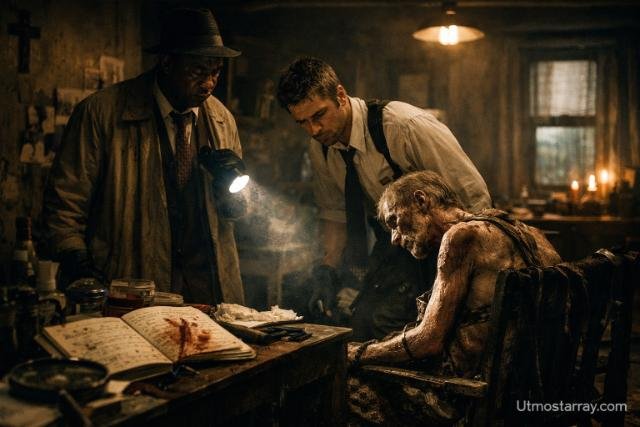
Se7en uses a series of symbolic crimes to explore sin and morality. Each act reveals deeper psychological layers.
The Game
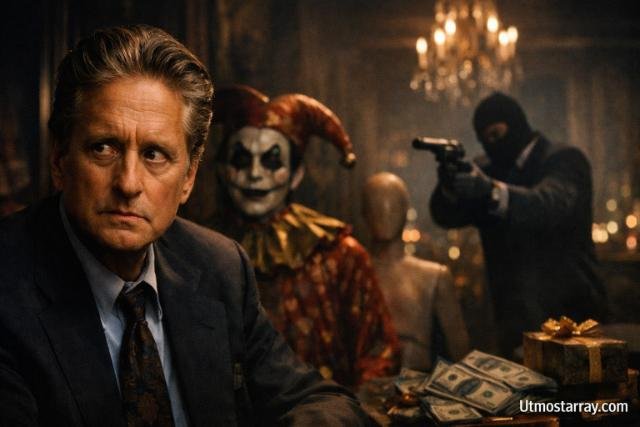
The Game focuses on manipulation of perception. Reality blurs as the protagonist becomes trapped in an elaborate psychological experiment.
How Do Torture-Based Horror Films Compare?
Torture-based horror emphasizes physical endurance combined with psychological stress. Movies like Hostel and The Collector push boundaries of fear through graphic storytelling.
Visual intensity in these films amplifies emotional discomfort. Directors use extreme scenarios to highlight vulnerability and human survival instincts.
Personally, these films are harder to watch but impossible to ignore. They create a raw, visceral reaction that stays with me long after the credits roll.
Hostel
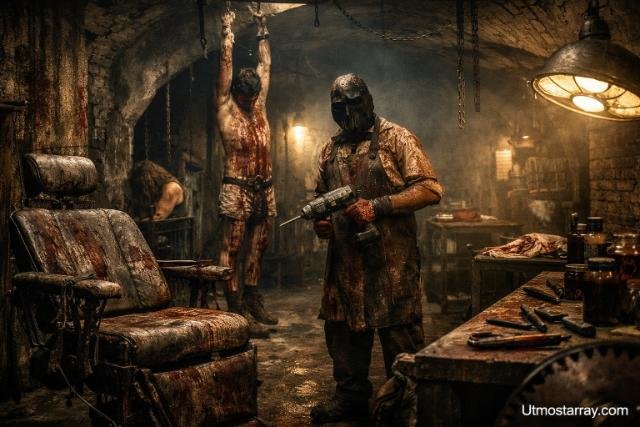
Hostel explores underground torture networks, combining social commentary with extreme horror elements.
The Collector
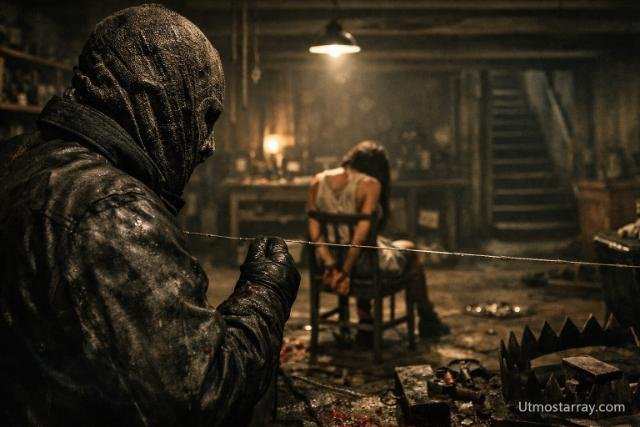
The Collector blends home invasion with intricate traps, creating a fast-paced and unpredictable experience.
Which Movies Feature Twisted Plot Revelations?
Twist-driven films rely on shocking endings that redefine the entire narrative. Movies like The Sixth Sense and Shutter Island masterfully use misdirection.
Storytelling in these films builds toward a single transformative moment. Every scene contributes to a larger hidden truth that only becomes clear at the end.
I always enjoy revisiting these films because the second viewing feels completely different. Knowing the twist changes how every scene is perceived.
The Sixth Sense
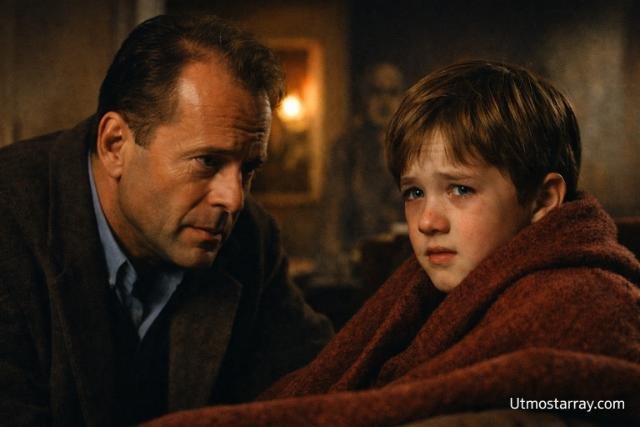
The Sixth Sense uses emotional storytelling combined with supernatural elements to deliver one of cinema’s most iconic twists.
Shutter Island
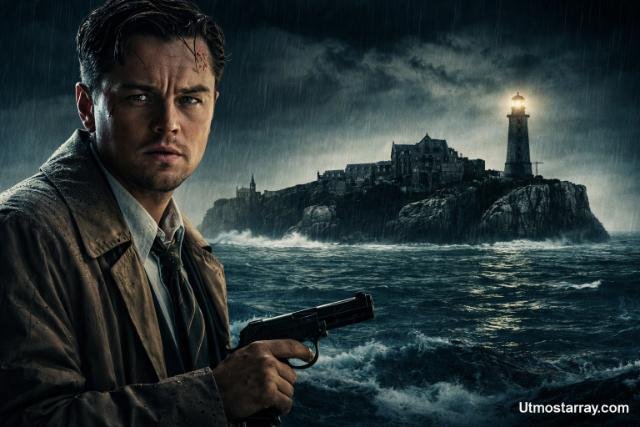
Shutter Island explores mental instability and perception, leading to a deeply psychological and haunting revelation.
What Role Does Detective Investigation Play in Similar Movies?
Detective-driven narratives add structure and realism. Movies like Zodiac and Prisoners combine investigation with psychological tension.
Investigative elements create a sense of progression. Each clue brings the audience closer to understanding the mystery while maintaining suspense.
From my perspective, these films feel grounded and intense. The realism makes every discovery more impactful, and the emotional stakes feel incredibly high.
Zodiac
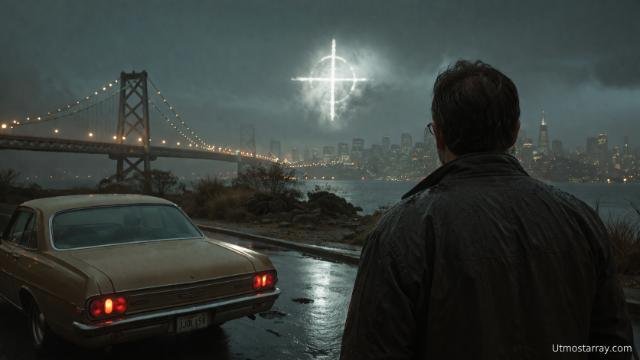
Zodiac focuses on obsession and the complexity of solving real-life crimes, emphasizing persistence over resolution.
Prisoners
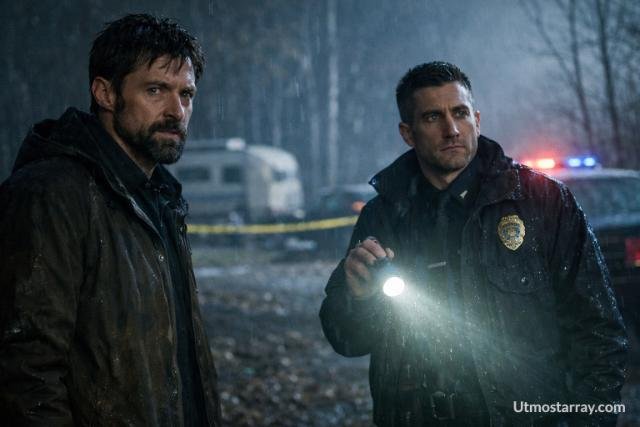
Prisoners explores desperation and moral ambiguity as characters take justice into their own hands.
Why Do Audience Members Seek Movies Like Saw?
Viewers seek similar movies because of the emotional and intellectual engagement. Films that challenge perception and morality provide a deeper experience than standard entertainment.
The combination of suspense, puzzles, and psychological depth creates a unique genre that appeals to both thrill-seekers and thinkers. Such films deliver not only fear but also insight into human behavior.
When I recommend these movies, I always tell people that the real thrill lies in thinking, not just watching. The connection between story and viewer creates a lasting impression that few genres can match.
Emotional Engagement
Emotional engagement connects viewers to characters’ struggles, making every decision feel significant and personal.
Intellectual Stimulation
Intellectual stimulation keeps audiences actively involved, encouraging analysis and interpretation throughout the film.
Comparison of Movies Like Saw
| Movie | Core Theme | Style | Viewer Experience |
| Cube | Survival puzzle | Minimalist | Intellectual tension |
| Se7en | Moral justice | Dark thriller | Psychological depth |
| Hostel | Physical horror | Graphic | Emotional discomfort |
| Shutter Island | Mental perception | Mystery | Mind-bending twist |
| Prisoners | Moral conflict | Realistic | Emotional intensity |
Key Features That Define This Genre
| Feature | Description | Impact on Viewer |
| Psychological tension | Focus on mental stress | Deep engagement |
| Moral dilemmas | Ethical decision-making | Emotional conflict |
| Plot twists | Unexpected revelations | Lasting impression |
| Survival scenarios | Life-threatening situations | High suspense |
Conclusion
Movies like Saw represent a powerful blend of psychological tension, moral questioning, and intense storytelling. These films go beyond simple horror by engaging the viewer’s mind and emotions simultaneously. Personal viewing experiences reveal that such movies create a unique connection where every decision, twist, and revelation feels deeply personal. Exploring this genre offers not only entertainment but also a deeper understanding of human psychology and behavior.
FAQ’s
What are the best movies similar to Saw?
Cube, Se7en, Hostel, Shutter Island, and Prisoners are among the most recommended due to their psychological and suspenseful nature.
Why do people enjoy psychological horror films?
Psychological horror engages the mind, creating lasting fear and intellectual stimulation rather than relying on visual scares.
Are movies like Saw suitable for everyone?
Such films often contain intense themes and may not be suitable for viewers sensitive to violence or psychological stress.
What makes a movie have a great twist ending?
Strong storytelling, subtle clues, and effective misdirection contribute to impactful twist endings.
How can I choose the right movie in this genre?
Focus on themes you enjoy, such as puzzles, investigation, or psychological drama, to find the most engaging experience.
Read Also: Lamar BMF Explained Who He Is and Why He is the Most Feared Character
