

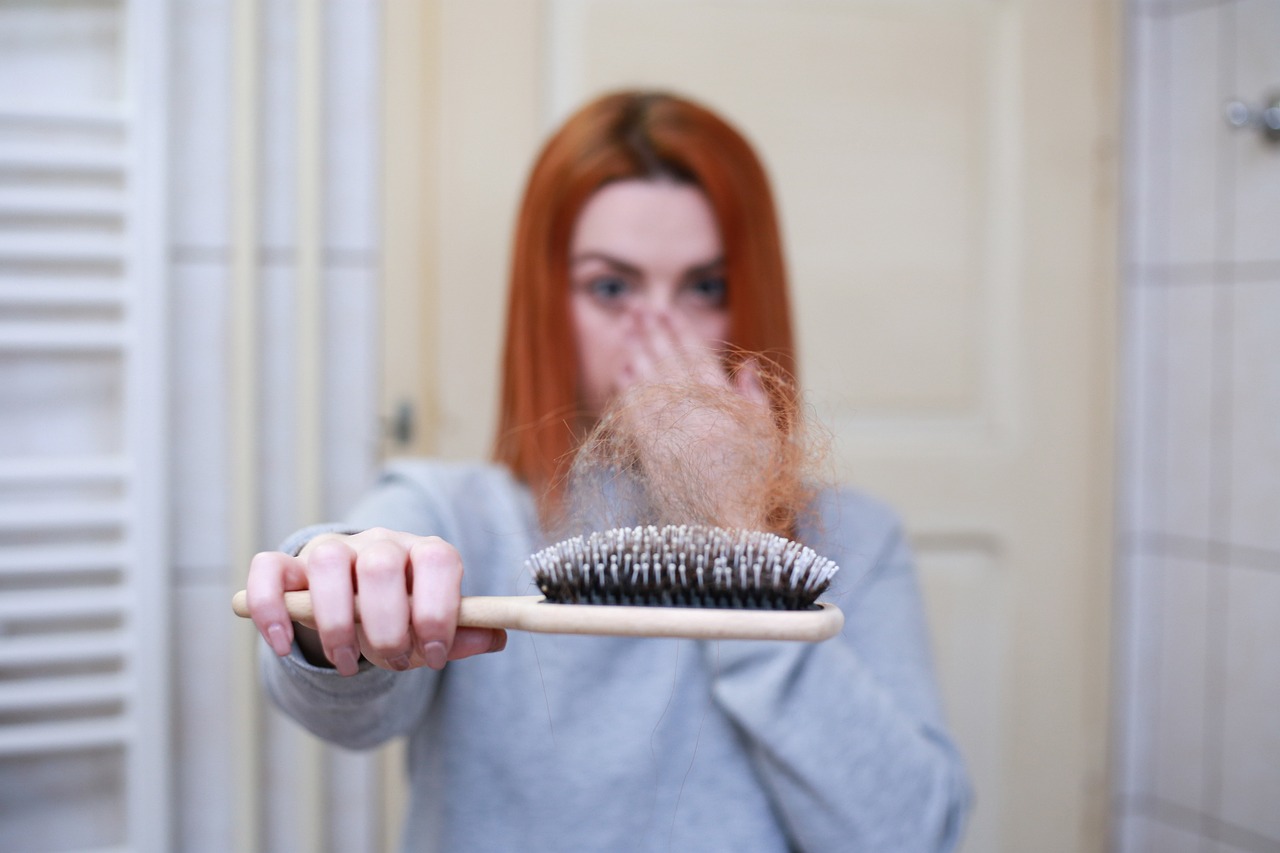
As you enter your thirties, you may begin to notice your hair start to change. And not necessarily for the better. Experiencing hair loss can be a distressing and frustrating situation. But it’s important to understand that you’re not the first person to go through this journey. Hair loss is common, as it affects almost two-thirds of men around the world.
There are various causes for male pattern baldness, also known as MPB. Genetics, hormonal changes, stress, or other underlying health conditions can all contribute. With this in mind, read on to learn about six tips for dealing with hair loss in your thirties.
1. Understand the Cause(s)
The first step in addressing hair loss is to identify the root cause. In all likelihood, the root of the issue has to do with the actual roots of your hair. Your hair follicles can experience shrinkage, called miniaturization. And there are two main reasons why your follicles may get smaller.
The first reason is an imbalance or overproduction of dihydrogen testosterone. DHT is a hormone your body naturally produces that can bind to your hair follicles, causing them to shrink. Miniaturization can also occur when your scalp has insufficient blood flow. Your blood carries essential nutrients like iron and oxygen to your hair. So without proper blood flow, your follicles suffer.
2. Medicate If Necessary
If your hair loss symptoms are significant, or you feel they may continue to develop, consider taking medication. Now, some people have been skeptical of hair growth medication in the past. But the good news is that, these days, there are excellent, FDA-approved medications on the market. So you have options and can choose the one you feel works best for you.
Finasteride is a medication specifically approved for MPB that works by blocking DHT, the hormone largely responsible for hair loss. Alternatively, you could take minoxidil. It works by ensuring an adequate amount of blood flow is always reaching your scalp. Both finasteride and minoxidil address the two main causes of hair loss. However, it’s important to understand these treatments require regular application and/or doses. When you stop taking them, your hair loss can continue.
3. Maintain A Healthy Lifestyle
A healthy lifestyle can help hair health whether you’re struggling with a hormone imbalance or simply watching your genetics play out. The better your overall health, the more likely your hair will be healthy too. And the three fundamental basics of health to focus on are good diet, exercise, and sleep.
Ensure you follow a well-balanced diet rich in essential vitamins, minerals, and proteins. Your hair needs multiple vitamins to grow, and without them, your hair loss can get worse. Include foods like fruits, vegetables, lean meats, fish, nuts, and whole grains. Additionally, get regular exercise, including cardio, which promotes healthy blood flow throughout your body. Getting your blood flowing can help stimulate your hair follicles, improving growth.
Finally, make sure you go to bed and wake up at the same time every day for sufficient sleep on a daily basis. Sleep is essential to hair growth because it allows your body to produce adequate amounts of human growth hormone and melatonin. Both of which have been connected to hair health. The more you contribute to your overall well-being, the greater those contributions may positively impact hair health.
4. Destress
Stress can play a bigger role in hair loss than you might expect. And telogen effluvium is one of the main ways it does so. Telogen effluvium is a type of temporary hair shedding that occurs due to disruption in the hair growth cycle. And chronic stress or traumatic events, like an illness or childbirth, can trigger this condition. However, this effect is temporary and will stop once stress levels return to normal.
If you get stressed frequently, finding effective stress management techniques is essential. Explore activities to help you relax, such as yoga, hobbies you enjoy, or drinking a hot cup of tea. Once again, making sure you get adequate sleep will also help regulate stress. Developing a repertoire of effective stress management techniques can contribute to your hair health in the long term.
5. Practice Gentle Hair Care
Harsh practices, like rough combing, heat styling, or chemical treatments can exacerbate hair loss. They put your hair under more stress, potentially doing further damage to your follicles. So as you lose your hair, it’s important to treat the hairs you still have with care.
When styling, use a wide-toothed comb or a brush with soft bristles to gently detangle without causing damage. You should avoid techniques like perming as much as possible, and significantly limit exposure to sustained levels of high heat. Choose mild shampoos and conditioners specifically formulated for hair loss or thinning. They’ll provide the same cleaning you need to keep hair healthy but with a gentler touch and beneficial added ingredients.
6. Bring Out the Lasers
Feel like you’ve tried everything, but nothing seems to work? Time to bring out the big guns. Or, in this case, the lasers. It may sound silly at first, but laser treatments can give your scalp the right kind of stimulation.
Low-level laser therapy (LLLT) is a non-invasive treatment that can stimulate hair growth. LLLT devices emit red light onto the scalp, which is believed to increase blood flow to the follicles. Some people even opt for a red light therapy bed to ensure a more extensive and uniform treatment.
Repeated LLLT can potentially promote hair growth, improving the overall condition of your hair.
Care About Your Hair Care
Experiencing hair loss in your thirties can be a challenging and sensitive issue to navigate. But there are several methods and techniques you can use to manage it effectively. It’s important to first understand the underlying causes of your hair loss. That way you can make the best use of the methods and techniques that address those causes. Then focus on living as healthy and balanced a lifestyle as possible to get the most out of those targeted hair care techniques.
Read Also:
