

The best movies based on true stories bring real events and remarkable people to the screen, covering everything from history and survival to crime, science, sports, and personal achievement. While filmmakers often change timelines, dialogue, or characters for dramatic effect, these movies remain compelling because their central stories have roots in reality.
Best True-Story Movies at a Glance
| Movie | Year | Based on | Best for |
| Schindler’s List | 1993 | Oskar Schindler and the Holocaust | Historical drama |
| Apollo 13 | 1995 | NASA’s Apollo 13 mission | Survival and space |
| A Beautiful Mind | 2001 | Mathematician John Nash | Biographical drama |
| Catch Me If You Can | 2002 | Stories associated with Frank Abagnale Jr. | Crime and comedy-drama |
| The Pursuit of Happyness | 2006 | Chris Gardner | Inspirational drama |
| Zodiac | 2007 | The Zodiac murder investigation | Crime and mystery |
| The Social Network | 2010 | Facebook’s early history | Business and technology |
| Moneyball | 2011 | Oakland Athletics’ 2002 season | Sports and strategy |
| Argo | 2012 | The Iran hostage crisis rescue operation | Political thriller |
| 12 Years a Slave | 2013 | Solomon Northup’s memoir | Historical drama |
| The Wolf of Wall Street | 2013 | Jordan Belfort’s memoir | Financial crime |
| The Imitation Game | 2014 | Alan Turing and wartime codebreaking | History and technology |
| Spotlight | 2015 | Boston Globe investigation | Journalism |
| Hidden Figures | 2016 | Black women mathematicians at NASA | Science and history |
| Hacksaw Ridge | 2016 | Desmond Doss | War and biography |
| Ford v Ferrari | 2019 | Ford’s challenge to Ferrari at Le Mans | Sports and engineering |
| Richard Jewell | 2019 | Centennial Olympic Park bombing investigation | Media and crime |
| King Richard | 2021 | Richard Williams and his daughters | Sports biography |
| Society of the Snow | 2023 | 1972 Andes flight disaster | Survival |
| Oppenheimer | 2023 | J. Robert Oppenheimer and the Manhattan Project | History and science |
1. Schindler’s List (1993)
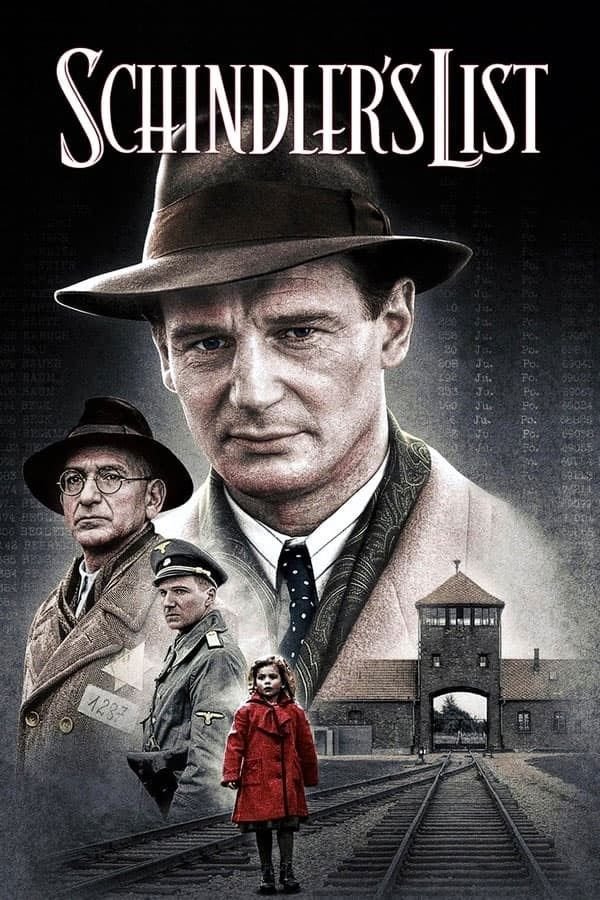
Steven Spielberg’s Schindler’s List tells the story of German industrialist Oskar Schindler, who employed Jewish workers during the Holocaust and ultimately helped save more than 1,000 people from Nazi persecution and murder.
Liam Neeson plays Schindler, while Ben Kingsley portrays Itzhak Stern and Ralph Fiennes plays concentration camp commandant Amon Göth. Spielberg largely uses black-and-white photography, creating a stark visual style that distinguishes the movie from conventional historical dramas.
The film also received exceptional critical recognition. It won seven Academy Awards, including Best Picture and Best Director for Spielberg.
Watch it if: You want a serious historical drama in which the real-world context is as important as the central character.
2. Apollo 13 (1995)
Sometimes reality already has the structure of a thriller.
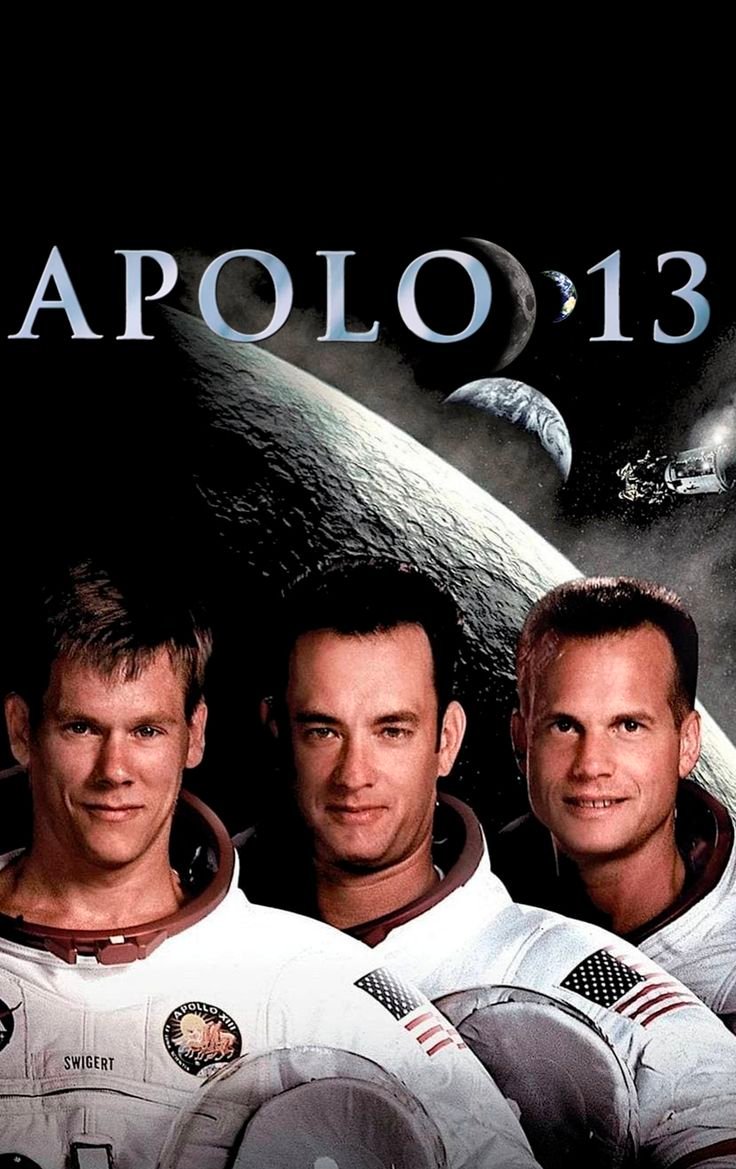
Ron Howard’s Apollo 13 dramatizes the 1970 NASA mission that was intended to become the third crewed lunar landing. An oxygen-tank explosion forced NASA to abandon the Moon landing and transform the mission into an effort to bring astronauts Jim Lovell, Jack Swigert, and Fred Haise safely home.
NASA describes Apollo 13 as a mission that has become known as a “successful failure.” The agency also maintains mission reports, flight journals, air-to-ground transcripts, photographs, audio, and other records documenting what happened.
Tom Hanks leads the film as Lovell, alongside Kevin Bacon and Bill Paxton. The result works particularly well because the tension comes from problem-solving rather than a conventional villain.
Watch it if: You enjoy survival movies, space exploration, engineering, or stories about teams solving seemingly impossible problems.
3. A Beautiful Mind (2001)
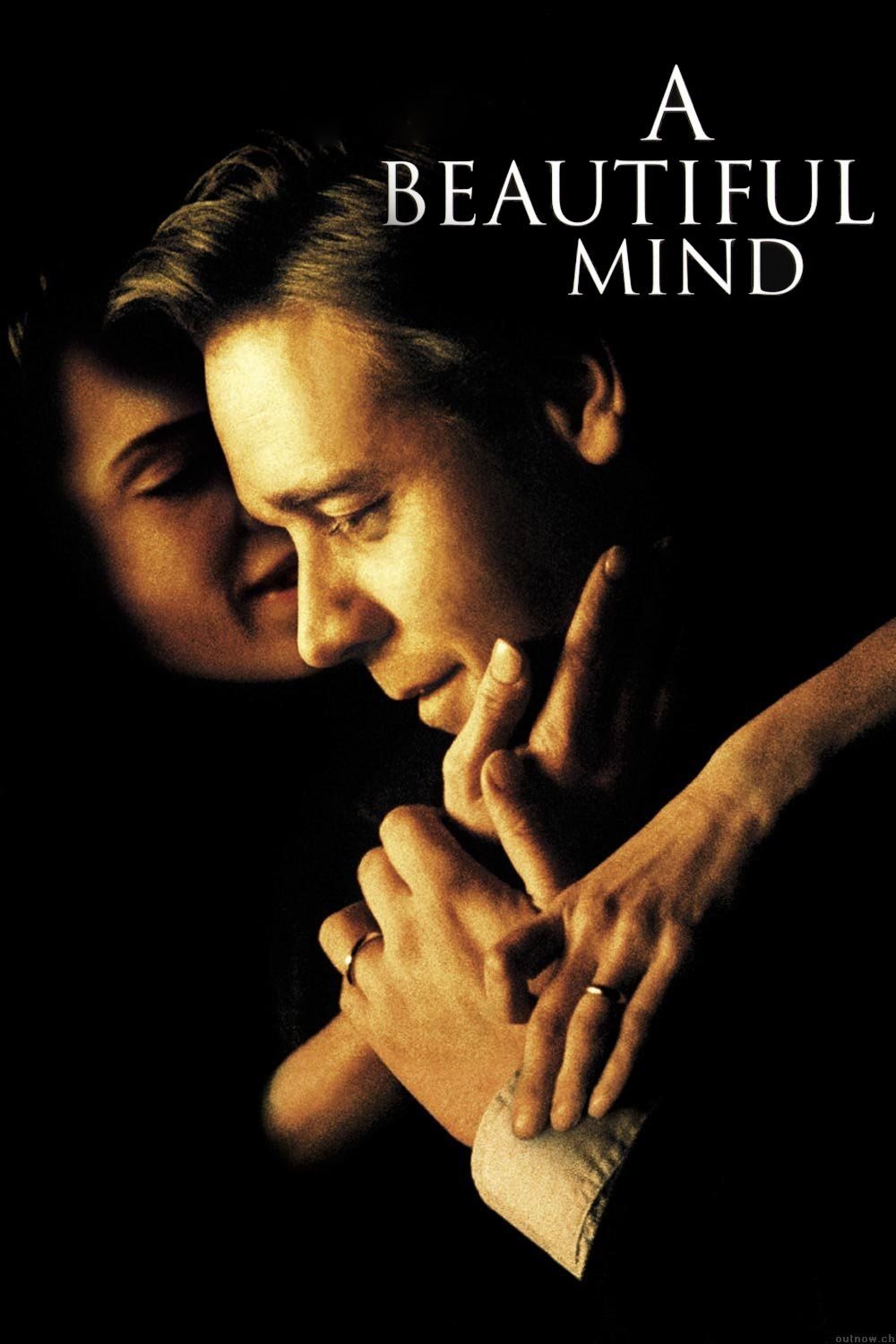
A Beautiful Mind centers on mathematician John Nash, whose work in game theory eventually earned him a share of the 1994 Nobel Memorial Prize in Economic Sciences.
Russell Crowe portrays Nash, while Jennifer Connelly plays Alicia Nash. Director Ron Howard turns the mathematician’s life into a psychological drama that deliberately places viewers inside Nash’s perception of events.
That approach makes the movie emotionally effective, but viewers interested in Nash’s actual biography should recognize that the film substantially dramatizes and alters elements of his life.
Watch it if: You prefer character-driven biographies involving mathematics, academia, relationships, and psychological struggle.
4. Catch Me If You Can (2002)
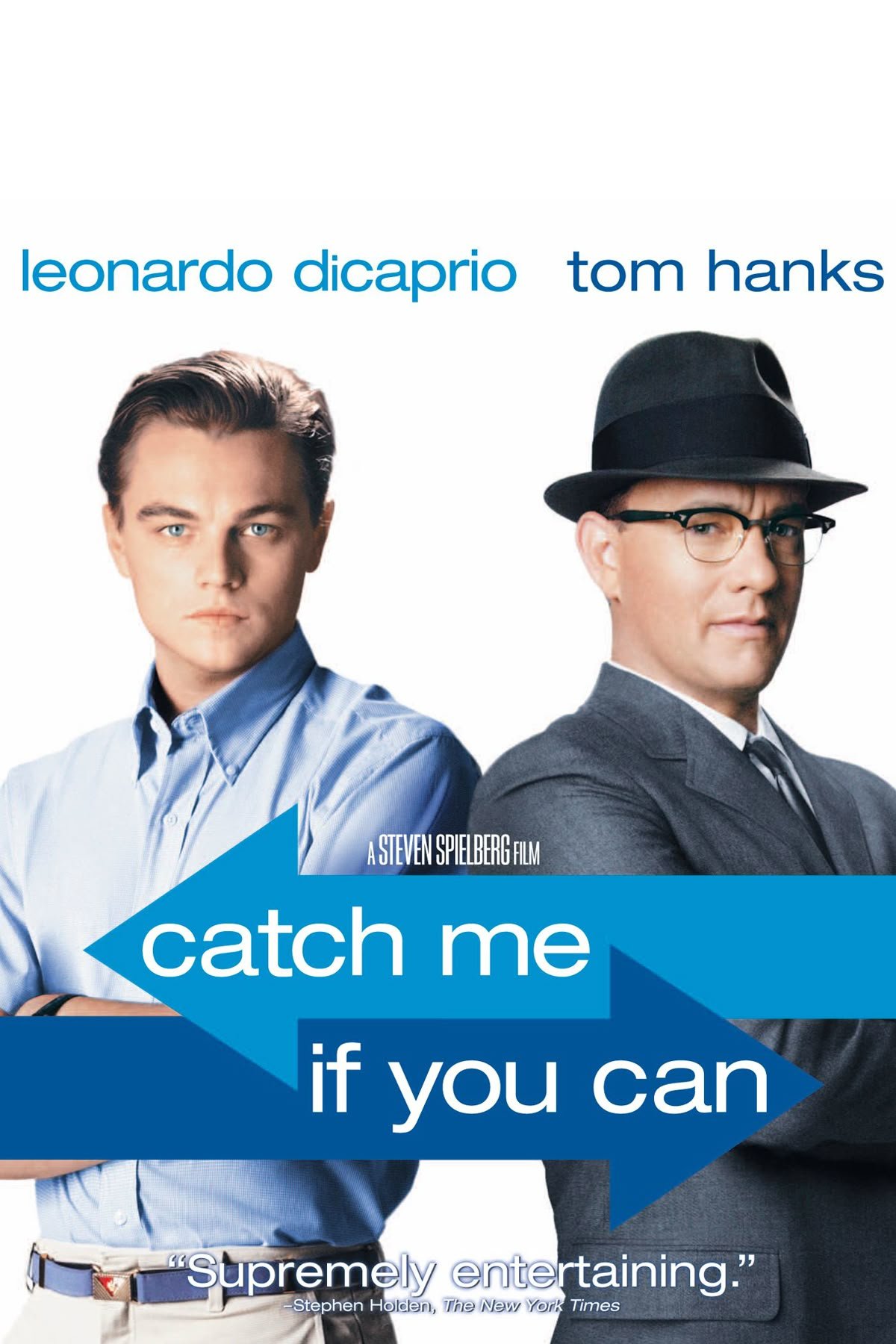
Steven Spielberg’s Catch Me If You Can stars Leonardo DiCaprio as Frank Abagnale Jr., a young con man portrayed as impersonating pilots, doctors, and lawyers while committing check fraud.
Tom Hanks plays FBI agent Carl Hanratty, the investigator pursuing him. Their cat-and-mouse relationship provides the movie with much of its humor and momentum.
There is an unusual caveat here. The movie was presented as being based on Abagnale’s life story, but major elements of Abagnale’s famous account have subsequently been challenged. That makes Catch Me If You Can an interesting example of why viewers should distinguish between a movie being marketed as a true story and its individual claims being independently documented.
Watch it if: You want a fast, entertaining crime story rather than a strict historical reconstruction.
5. The Pursuit of Happyness (2006)
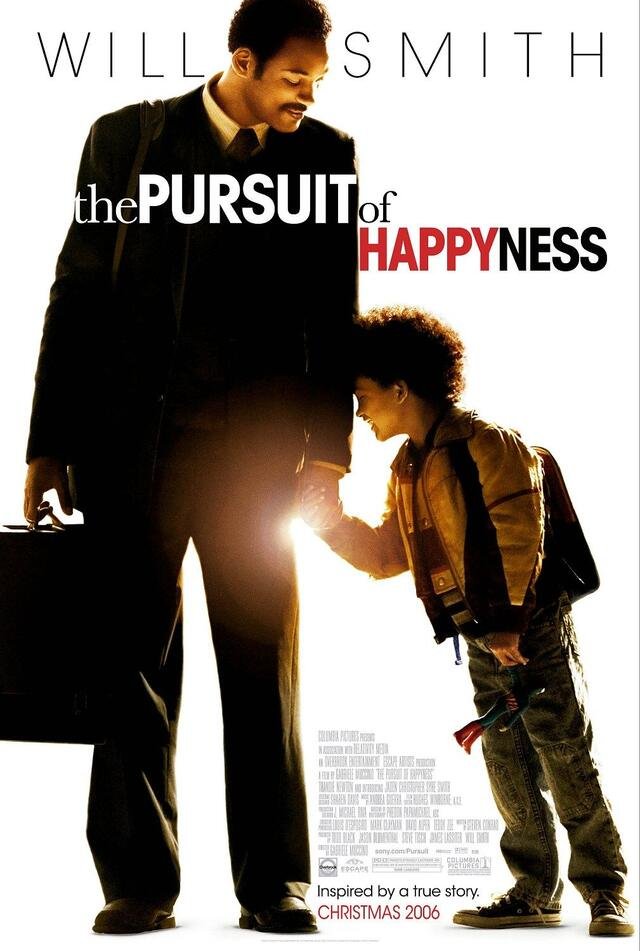
Will Smith plays Chris Gardner in The Pursuit of Happyness, a drama inspired by Gardner’s journey through homelessness while trying to establish a career in finance.
The movie follows Gardner as he cares for his young son while entering a highly competitive stockbroker training program. Jaden Smith, Will Smith’s real-life son, plays Gardner’s son Christopher.
Its central appeal is not simply that Gardner eventually becomes successful. The film spends considerable time showing the uncertainty that comes before that outcome: finding somewhere to sleep, caring for a child, competing professionally, and functioning under extreme financial pressure.
Watch it if: You are looking for a motivational true-story drama centered on persistence, parenthood, and career struggle.
6. Zodiac (2007)
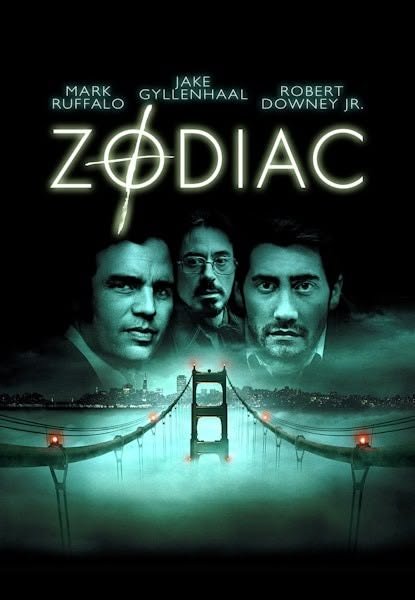
David Fincher’s Zodiac approaches the notorious Zodiac killings differently from a typical serial-killer thriller.
Rather than inventing a tidy solution to an unsolved case, the film concentrates on the journalists, police investigators, and cartoonist Robert Graysmith as they become consumed by the search for the killer.
Jake Gyllenhaal plays Graysmith, Robert Downey Jr. portrays journalist Paul Avery, and Mark Ruffalo plays Inspector Dave Toschi.
The unresolved nature of the real case becomes one of the film’s strengths. Instead of offering easy closure, Zodiac examines what prolonged uncertainty does to the people trying to solve a mystery.
Watch it if: You like detailed investigative movies that prioritize procedure and atmosphere over action.
7. The Social Network (2010)

David Fincher’s The Social Network dramatizes the early creation of Facebook and the disputes surrounding its development.
Jesse Eisenberg plays Mark Zuckerberg, Andrew Garfield portrays Eduardo Saverin, and Armie Hammer portrays twins Cameron and Tyler Winklevoss. Aaron Sorkin’s screenplay uses depositions and competing accounts to build a story about ambition, ownership, friendship, and power.
It should not be treated as a documentary about Facebook’s origins. Characters, motivations, dialogue, and events are shaped for dramatic purposes.
As a film, however, it offers a compelling examination of what happens when friendship, intellectual ownership, enormous growth, and money collide.
Watch it if: You enjoy business stories where personal relationships matter as much as the company being built.
8. Moneyball (2011)
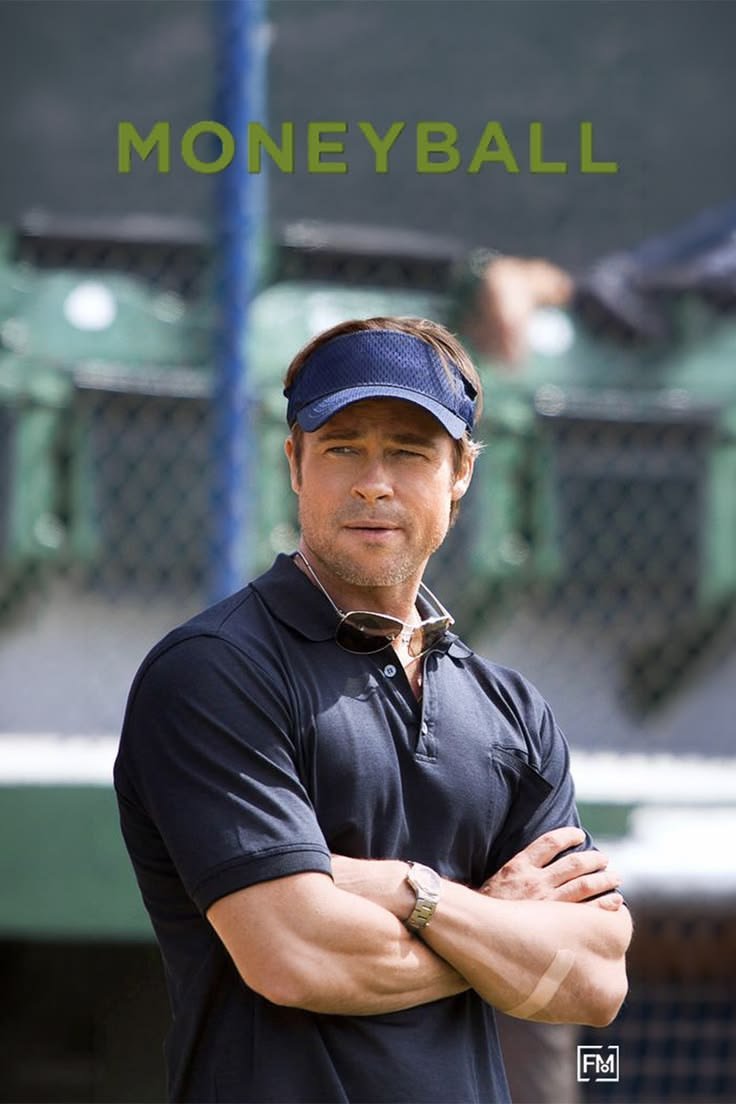
You do not need to care much about baseball to appreciate Moneyball.
Brad Pitt plays Oakland Athletics general manager Billy Beane, who attempts to build a competitive baseball team despite having fewer financial resources than richer franchises. Jonah Hill plays Peter Brand, a fictionalized and composite character associated with the statistical approach used in the story.
The movie’s broader subject is decision-making. Beane challenges conventional scouting assumptions and looks for undervalued players using data and statistical analysis.
That makes Moneyball particularly interesting outside sports. Its central problem applies to business, investing, recruitment, and other fields: what happens when conventional wisdom assigns the wrong value to something?
Watch it if: You enjoy sports, analytics, strategy, or stories about challenging entrenched professional thinking.
9. Argo (2012)
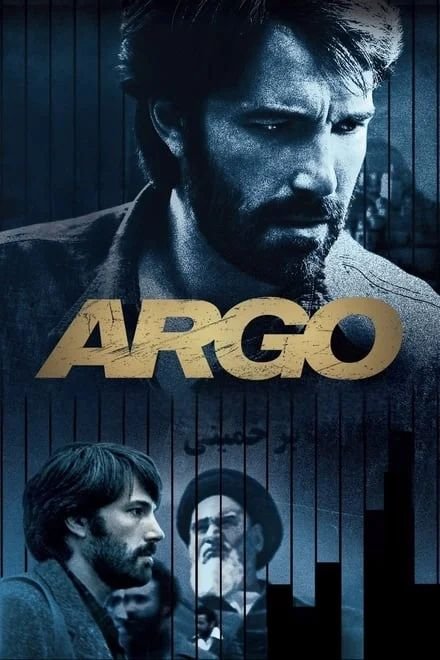
Argo dramatizes the operation to rescue six American diplomats who escaped the U.S. Embassy in Tehran during the 1979 Iran hostage crisis.
The unusual plan involved creating the appearance of a science-fiction movie production so the diplomats could leave Iran under false identities.
Ben Affleck directs and stars as CIA officer Tony Mendez. The premise sounds invented precisely because the underlying operation was so unconventional.
The film nevertheless heightens and alters aspects of the operation for suspense. Anyone interested in the history should therefore distinguish the real rescue operation from the movie’s dramatized final act.
Watch it if: You want a historical story told with the pace and structure of a thriller.
10. 12 Years a Slave (2013)
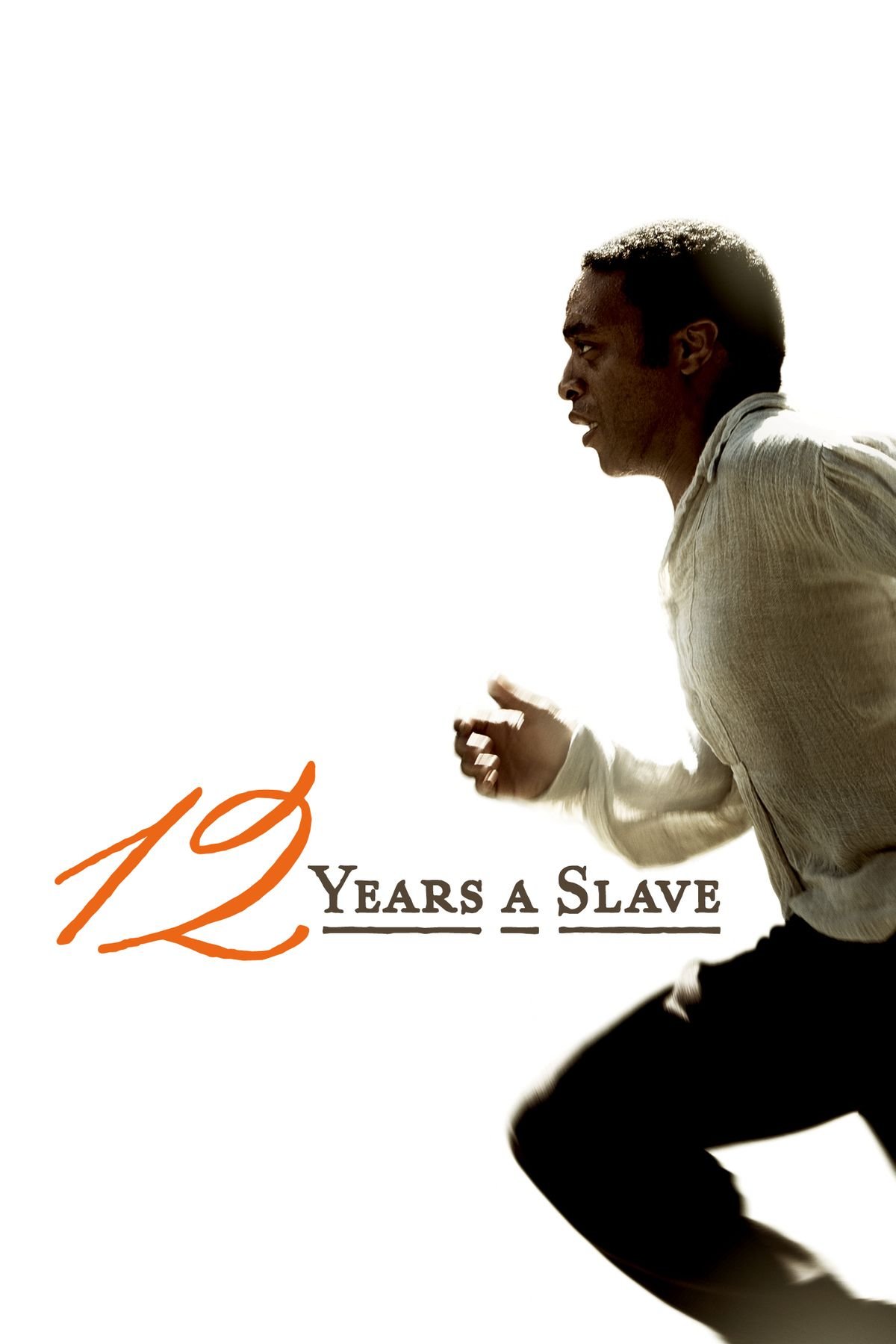
Steve McQueen’s 12 Years a Slave adapts Solomon Northup’s 1853 memoir.
Northup was a free Black man living in New York who was kidnapped in 1841, transported south, and enslaved. Chiwetel Ejiofor portrays Northup, with Lupita Nyong’o, Michael Fassbender, Benedict Cumberbatch, and Brad Pitt appearing in supporting roles.
The movie won three Academy Awards, including Best Picture, Best Supporting Actress for Nyong’o, and Best Adapted Screenplay for John Ridley.
Because Northup left a written account of his experiences, viewers can also go beyond the film and examine the source material behind the adaptation.
Watch it if: You want a historically significant film based on a first-person account.
11. The Wolf of Wall Street (2013)
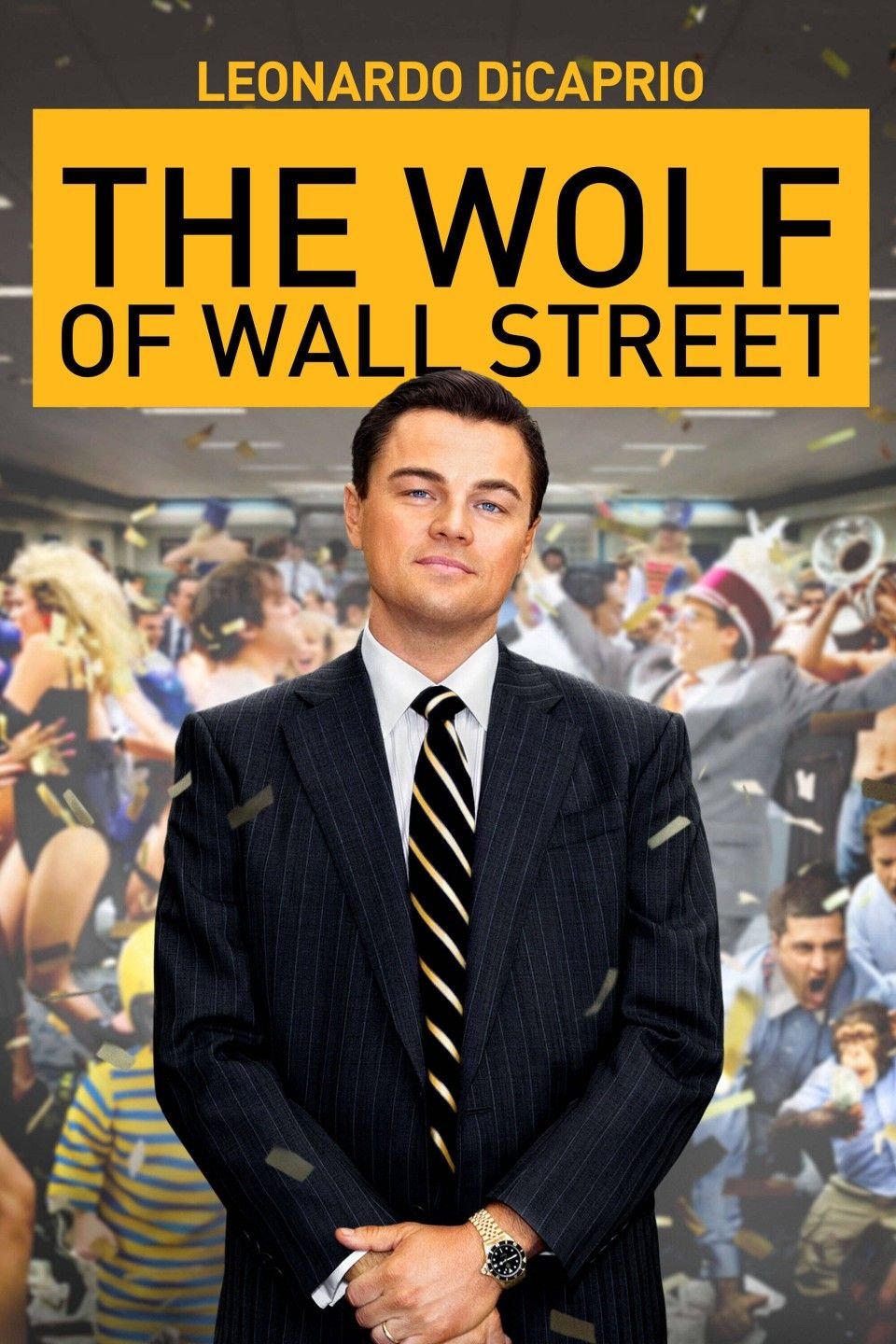
Martin Scorsese’s The Wolf of Wall Street adapts the memoir of former stockbroker Jordan Belfort.
Leonardo DiCaprio plays Belfort as he builds Stratton Oakmont and enters a world of securities fraud, extreme wealth, drugs, and excess. Jonah Hill, Margot Robbie, and Kyle Chandler appear in major supporting roles.
One reason the movie invites discussion is its perspective. Scorsese depicts the extravagant lifestyle in unusually energetic detail while also showing the fraud, addiction, investigations, and destruction surrounding it.
Viewers looking for the real history should remember that the film is an adaptation of Belfort’s own memoir, rather than an independent documentary account.
Watch it if: You like darkly comic crime movies about greed, financial misconduct, and excess.
12. The Imitation Game (2014)
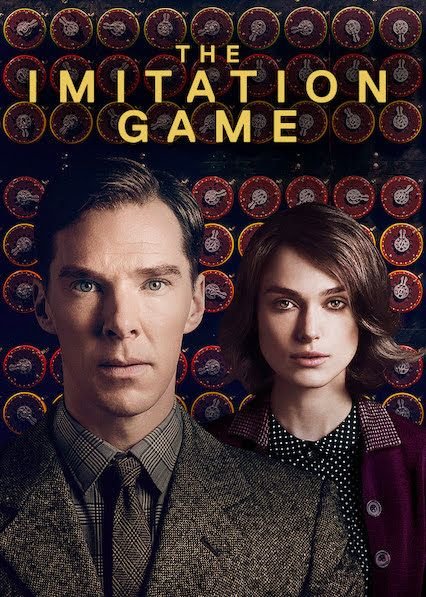
Benedict Cumberbatch portrays mathematician Alan Turing in The Imitation Game, which focuses on British efforts to decipher German encrypted communications during World War II.
The film introduces viewers to Turing’s work at Bletchley Park and connects his wartime contribution with his later prosecution for homosexual acts under British law at the time.
The broad historical subjects are real, but the screenplay simplifies relationships, alters chronology, and dramatizes aspects of the codebreaking process.
That makes it a useful entry point into Turing’s story, but not a substitute for a historical account of either Turing or the larger Bletchley Park operation.
Watch it if: You enjoy stories about mathematics, cryptography, computing, and overlooked historical contributions.
13. Spotlight (2015)
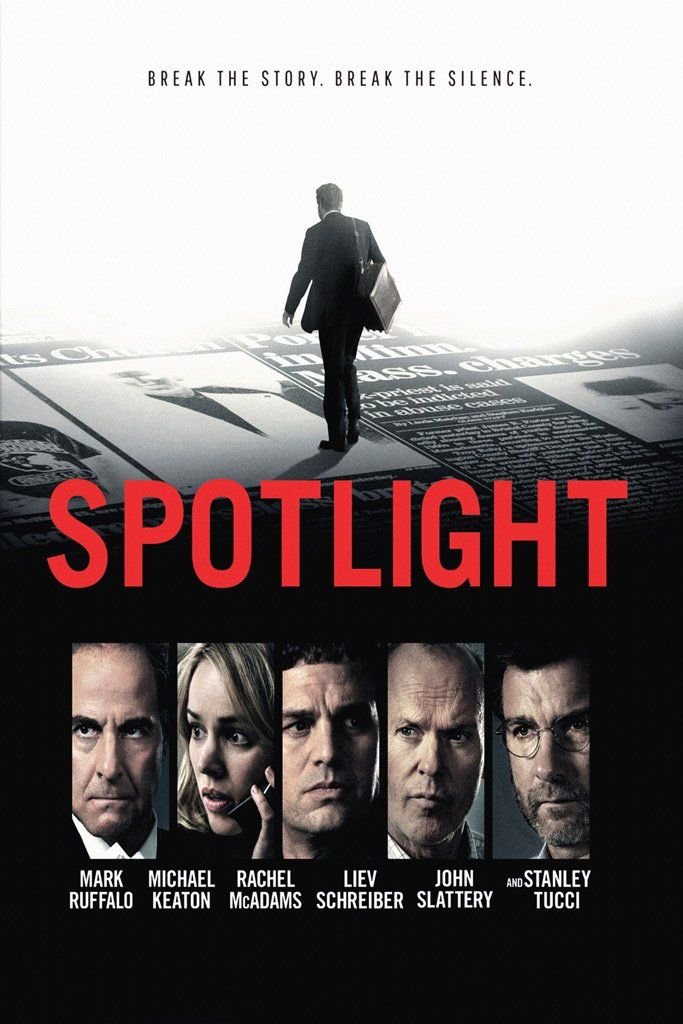
Spotlight follows the Boston Globe investigative team that examined sexual abuse by Catholic priests and the institutional handling of those cases.
Rather than turning the journalists into conventional movie heroes, director Tom McCarthy spends much of the running time on reporting itself: interviews, document searches, editorial conversations, verification, and the slow accumulation of evidence.
Michael Keaton, Mark Ruffalo, Rachel McAdams, Brian d’Arcy James, and Liev Schreiber lead the ensemble cast.
The film won the Academy Award for Best Picture.
Its restrained approach is a major reason it stands apart from many fact-based dramas. The investigation, rather than spectacle, drives the story.
Watch it if: You like journalism films, investigative dramas, and stories about institutions being subjected to scrutiny.
14. Hidden Figures (2016)
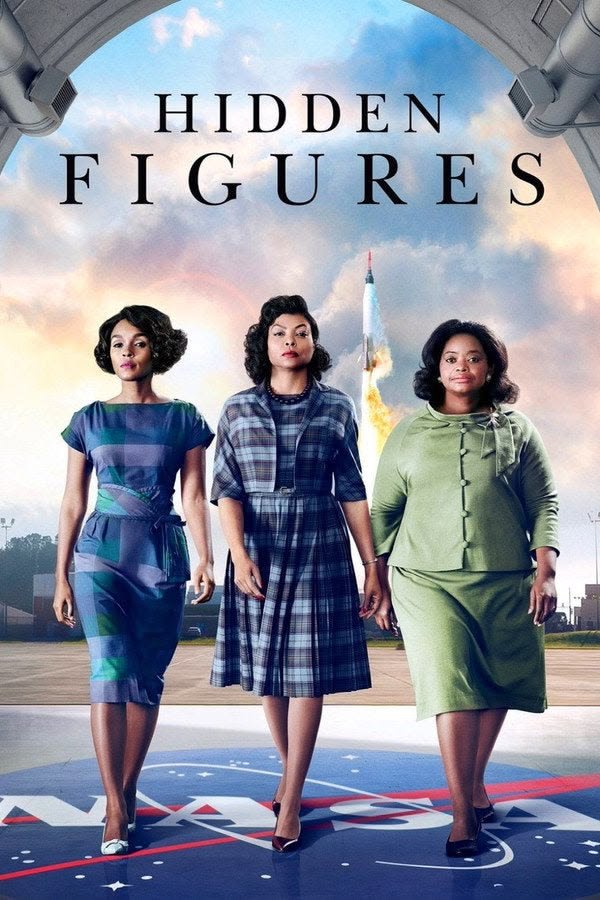
Hidden Figures brought wider popular attention to Black women whose mathematical and technical work contributed to NASA’s space program.
Taraji P. Henson portrays Katherine Johnson, Octavia Spencer plays Dorothy Vaughan, and Janelle Monáe portrays Mary Jackson.
The movie explores mathematics, segregation, workplace discrimination, engineering, and the American space program. It also uses fictionalized or compressed scenes to make institutional barriers visible within a feature-film narrative.
Its lasting value is that it encourages viewers to look beyond the most famous astronauts and examine the much larger workforce behind spaceflight.
Watch it if: You want an accessible historical drama combining science, civil rights, and space exploration.
15. Hacksaw Ridge (2016)

Mel Gibson’s Hacksaw Ridge tells the story of Desmond Doss, a U.S. Army medic and Seventh-day Adventist who served during World War II while refusing to carry a weapon.
Andrew Garfield portrays Doss, whose beliefs initially put him into conflict with fellow soldiers and military authorities.
The film eventually shifts to the Battle of Okinawa, where Doss repeatedly entered dangerous areas to rescue wounded soldiers. He later received the Medal of Honor.
The combat sequences are exceptionally graphic, so this is not the easiest recommendation for viewers sensitive to realistic battlefield violence.
Watch it if: You are interested in war stories centered on conviction and rescue rather than conventional combat heroism.
16. Ford v Ferrari (2019)
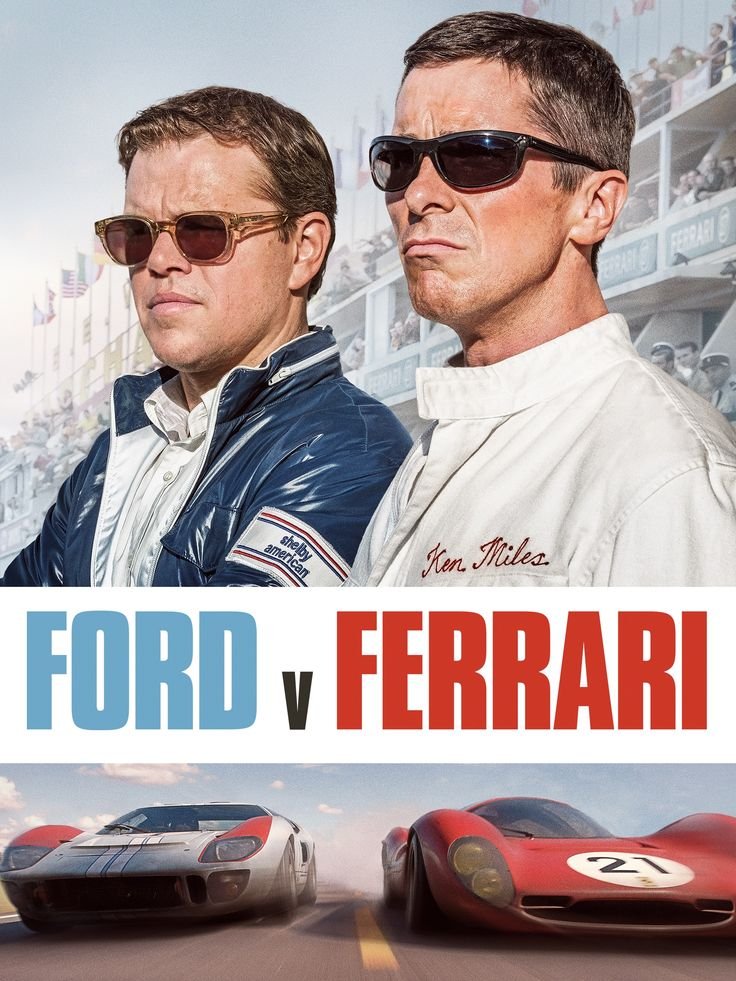
Ford v Ferrari dramatizes Ford Motor Company’s effort to challenge Ferrari at the 24 Hours of Le Mans during the 1960s.
Matt Damon plays automotive designer Carroll Shelby, while Christian Bale portrays British racing driver Ken Miles.
The movie works on several levels. It is a racing film, but it is also about engineering compromises, corporate decision-making, testing, driver feedback, and the conflict between the people developing a machine and executives managing a company.
Some events and conflicts are simplified or dramatized, but the central Ford-Ferrari competition and the roles of Shelby and Miles provide the historical foundation.
Watch it if: You like motorsport, engineering, corporate rivalries, or movies about highly skilled people solving technical problems.
17. Richard Jewell (2019)
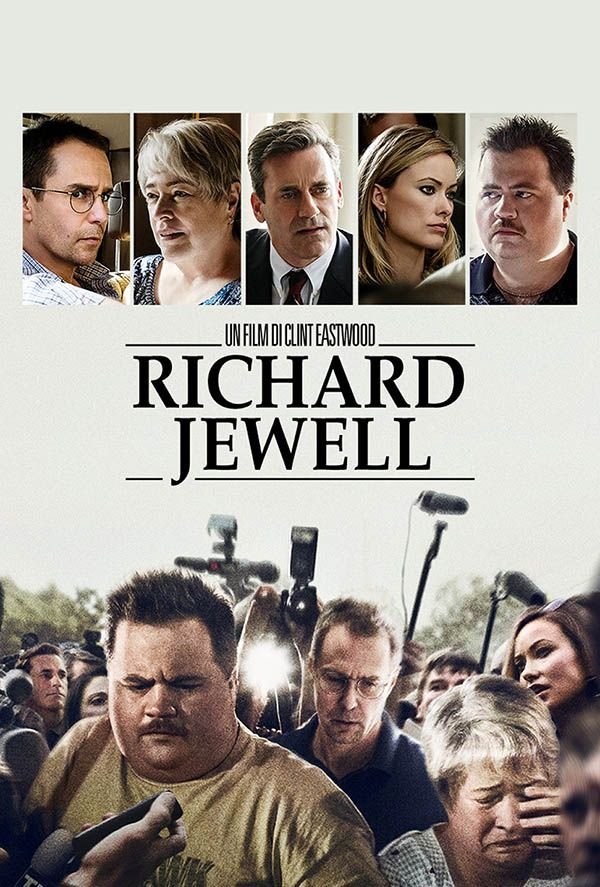
Clint Eastwood’s Richard Jewell focuses on the security guard who discovered a suspicious backpack containing a bomb during the 1996 Summer Olympics in Atlanta.
Jewell helped alert authorities and move people away from the area. He later became a focus of the FBI investigation and intense media attention, although he was never charged with the bombing.
Paul Walter Hauser portrays Jewell, with Sam Rockwell playing attorney Watson Bryant.
The movie examines a particularly difficult question for true-story films: what happens when suspicion becomes a public narrative before guilt has been established?
The film itself also attracted criticism over its portrayal of journalist Kathy Scruggs, another reminder that a movie questioning one public narrative can still create disputed portrayals of its own.
Watch it if: You are interested in media ethics, criminal investigations, and the consequences of public suspicion.
18. King Richard (2021)
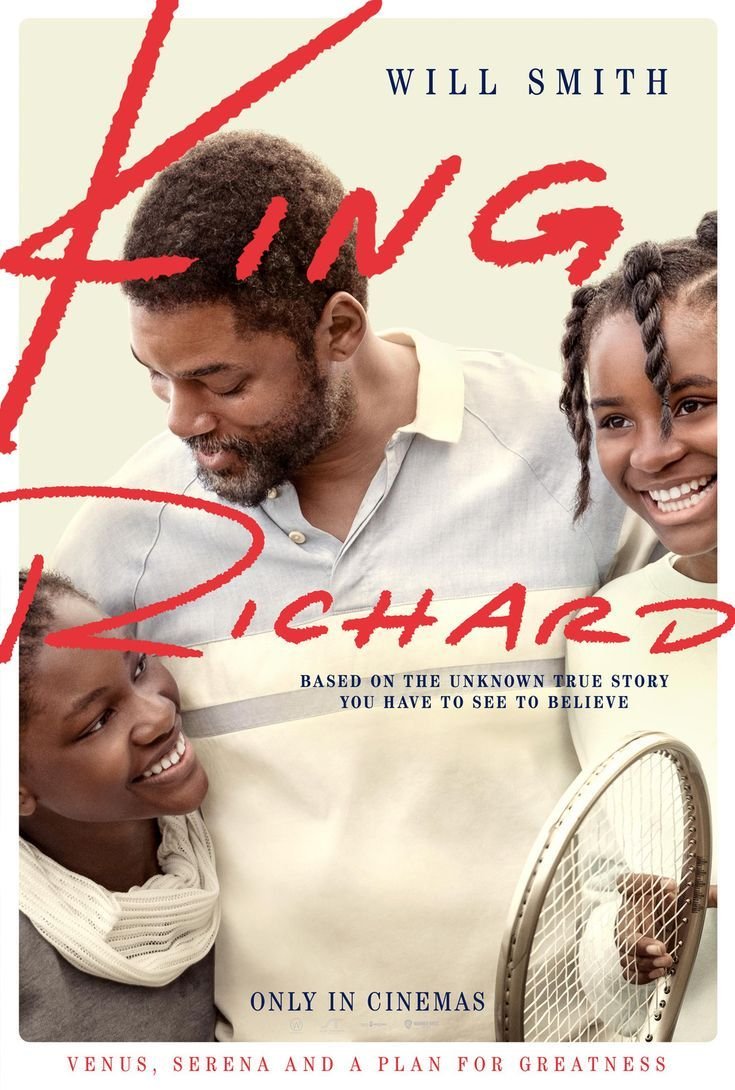
King Richard tells part of the story of Venus and Serena Williams through the perspective of their father, Richard Williams.
Will Smith portrays Williams as he works with his wife, Oracene Price, to develop their daughters’ tennis careers.
The movie focuses heavily on planning, coaching, family decisions, and the challenge of entering an elite sport without following its expected path.
Because the story is framed primarily around Richard Williams, it is not a complete account of everything that shaped Venus and Serena’s careers. It works best as a family and sports drama centered on a particular stage of their development.
Watch it if: You enjoy sports biographies with a strong emphasis on family and long-term planning.
19. Society of the Snow (2023)

- A. Bayona’s Society of the Snow revisits the 1972 crash of Uruguayan Air Force Flight 571 in the Andes.
Passengers who survived the initial crash became stranded in extreme conditions, facing cold, injuries, hunger, and the realization that rescue might not arrive quickly.
The same disaster has inspired previous books and films, but Society of the Snow places particular emphasis on the group as a whole and the people who died as well as those who ultimately survived.
Its subject matter is emotionally and physically intense. Survival required decisions that remain difficult to contemplate outside the circumstances the passengers faced.
Watch it if: You want an intense survival film about cooperation, mortality, and endurance.
20. Oppenheimer (2023)

Christopher Nolan’s Oppenheimer dramatizes the life of theoretical physicist J. Robert Oppenheimer, particularly his leadership of the Los Alamos laboratory during the Manhattan Project and the later security proceedings that affected his public career.
Cillian Murphy plays Oppenheimer, supported by a large ensemble that includes Robert Downey Jr., Emily Blunt, Matt Damon, and Florence Pugh.
Rather than functioning simply as a story about building the atomic bomb, the film examines scientific ambition, government power, personal relationships, political conflict, and the consequences of creating a weapon capable of unprecedented destruction.
At the 96th Academy Awards, Oppenheimer won Best Picture, while Murphy won Best Actor, Nolan won Best Director, and Robert Downey Jr. won Best Supporting Actor.
Watch it if: You prefer historically dense films that combine biography, science, politics, and moral questions.
Which True-Story Movie Should You Watch First?
The right choice depends less on which film is “most true” and more on what kind of story you want.
| If you want… | Start with… |
| A major historical drama | Schindler’s List |
| Space and survival | Apollo 13 |
| Investigative journalism | Spotlight |
| Business and technology | The Social Network |
| Sports and analytics | Moneyball |
| Crime with dark comedy | The Wolf of Wall Street |
| An inspiring career story | The Pursuit of Happyness |
| An unsolved mystery | Zodiac |
| Science and wartime history | Oppenheimer |
| Extreme survival | Society of the Snow |
| Motorsport and engineering | Ford v Ferrari |
| A primary-source historical adaptation | 12 Years a Slave |
How Accurate Are Movies Based on True Stories?
Even the best movies based on real events should not automatically be treated as historical records.
Feature films have a problem that history does not: they must tell a coherent story within a limited running time. A complicated event involving dozens or hundreds of people may therefore be condensed into a handful of characters and scenes.
Common changes include compressed timelines, where events separated by months are presented as happening within days; composite characters, where several real people are represented by one character; reconstructed conversations for which no transcript exists; and altered sequences designed to produce tension or a clearer narrative.
Different films also begin with different source material. 12 Years a Slave can draw from Solomon Northup’s published memoir. Apollo 13 depicts a heavily documented NASA mission for which extensive technical records and communications survive. A movie based primarily on one person’s memoir faces a different evidentiary situation.
A useful rule is simple: use the movie to discover the story, then use primary sources, reputable histories, archives, biographies, or contemporary reporting to learn exactly what happened.
“Based on a True Story” Does Not Always Mean the Same Thing
Movie marketing tends to put several very different kinds of films under the same true-story umbrella.
A film can reconstruct a documented event, adapt an autobiography, dramatize someone’s biography, combine multiple historical figures, or merely take inspiration from something that happened.
That distinction changes how literally viewers should interpret what appears on screen.
Apollo 13, for example, depicts a specific mission with extensive surviving documentation. Catch Me If You Can comes with a more complicated reliability issue because important parts of the story traditionally attributed to Frank Abagnale Jr. have been disputed.
As a result, asking whether a movie is “true” often produces an incomplete answer. A better question is: which parts of the movie are independently documented, which come from a participant’s account, and which were created or changed by the filmmakers?
Why True Stories Can Make Movies More Powerful
Knowing that the central event actually happened changes the way many viewers process a film.
The tension in Apollo 13 comes partly from knowing that three real astronauts were trapped in a damaged spacecraft. Spotlight gains weight because its investigation had real institutional consequences. 12 Years a Slave is especially powerful because Solomon Northup documented his enslavement in his own nineteenth-century narrative.
True stories can also introduce viewers to subjects they might never deliberately research, from cryptography and game theory to investigative journalism and NASA engineering.
The strongest films therefore work in two directions. They tell an engaging story on their own, while giving interested viewers a reason to explore the history behind it.
Final Thoughts
The best movies based on true stories succeed because reality provides the starting point rather than the entire screenplay. Schindler’s List and 12 Years a Slave confront devastating history, Apollo 13 and Society of the Snow turn survival into gripping drama, while Moneyball, Spotlight, and Oppenheimer show how real decisions can reshape sports, journalism, science, and history.
For viewers, the most useful distinction is between a great film and a definitive historical account. A movie can be exceptional while still compressing time, inventing dialogue, or altering characters.
Watch the film for the storytelling. If the real events leave you wanting to know more, that is the point at which the history behind the screenplay becomes another story worth exploring.
FAQs
What are some of the best movies based on true stories?
Widely acclaimed choices include Schindler’s List, Apollo 13, 12 Years a Slave, Spotlight, Moneyball, Zodiac, Hidden Figures, Society of the Snow, and Oppenheimer. The right choice depends on whether you prefer history, crime, sports, science, survival, or biography.
What is a good inspirational movie based on a true story?
The Pursuit of Happyness is a popular choice for a career and perseverance story. Sports-oriented options include King Richard, while Hidden Figures combines professional achievement with the history of NASA and racial discrimination.
What are good true-story movies about survival?
Apollo 13 and Society of the Snow are two strong examples. The first focuses on astronauts trying to return to Earth after a spacecraft emergency, while the second depicts survivors of a plane crash stranded in the Andes.
Are all events in true-story movies historically accurate?
No. Filmmakers frequently compress timelines, reconstruct dialogue, merge people into composite characters, alter sequences, and invent scenes. The central person or event may be real even when individual scenes are not.
What is a good true-story movie for someone who does not like historical dramas?
Try Moneyball, Ford v Ferrari, The Social Network, or Catch Me If You Can. Each draws from real people or events but uses the structure of a sports movie, racing film, business drama, or crime caper rather than a conventional historical epic.
How can I find out what really happened after watching a true-story movie?
Start by identifying the movie’s underlying sources. Autobiographies, memoirs, government archives, court documents, contemporary newspaper reporting, museum collections, and official records can help separate documented history from screenplay changes. For subjects such as Apollo 13, primary materials including mission reports and transcripts are publicly available through NASA.
