
Highlights
- Driving without a license leads to serious legal consequences, including fines, vehicle impoundment, criminal records, and potential jail time.
- Most people who drive unlicensed do so out of necessity, not recklessness often due to emergencies, suspended licenses, or lack of access to legal documentation.
- Each state handles unlicensed driving differently, with some offering reduced penalties for first-time offenders and others imposing strict penalties even on first violations.
- Private property driving is generally allowed without a license, but the moment a public road is used, full legal requirements apply.
- Regaining driving privileges after an offense involves paying fines, attending court-ordered programs, and starting the licensing process from scratch in many cases.
- Safer alternatives like ride-sharing, public transport, and community support can help avoid legal trouble while staying mobile and responsible.
- Avoiding shortcuts today can protect your future opportunities, such as job access, affordable insurance, and a clean legal record.
Introduction
Driving is a responsibility tied closely to laws, safety rules, and personal accountability. For those considering operating a vehicle without a license, whether out of urgency, fear, or ignorance, the consequences are far-reaching. As someone who has spoken to drivers, law enforcement, and everyday people caught in difficult choices, I want to explain this topic from a human and realistic perspective. Understanding what happens when someone drives without a license, why people make that decision, and how to deal with the aftermath will help anyone facing this issue. This article dives into every angle including the legal, emotional, and social implications in plain and honest language.
What Happens When Someone Drives Without a License?
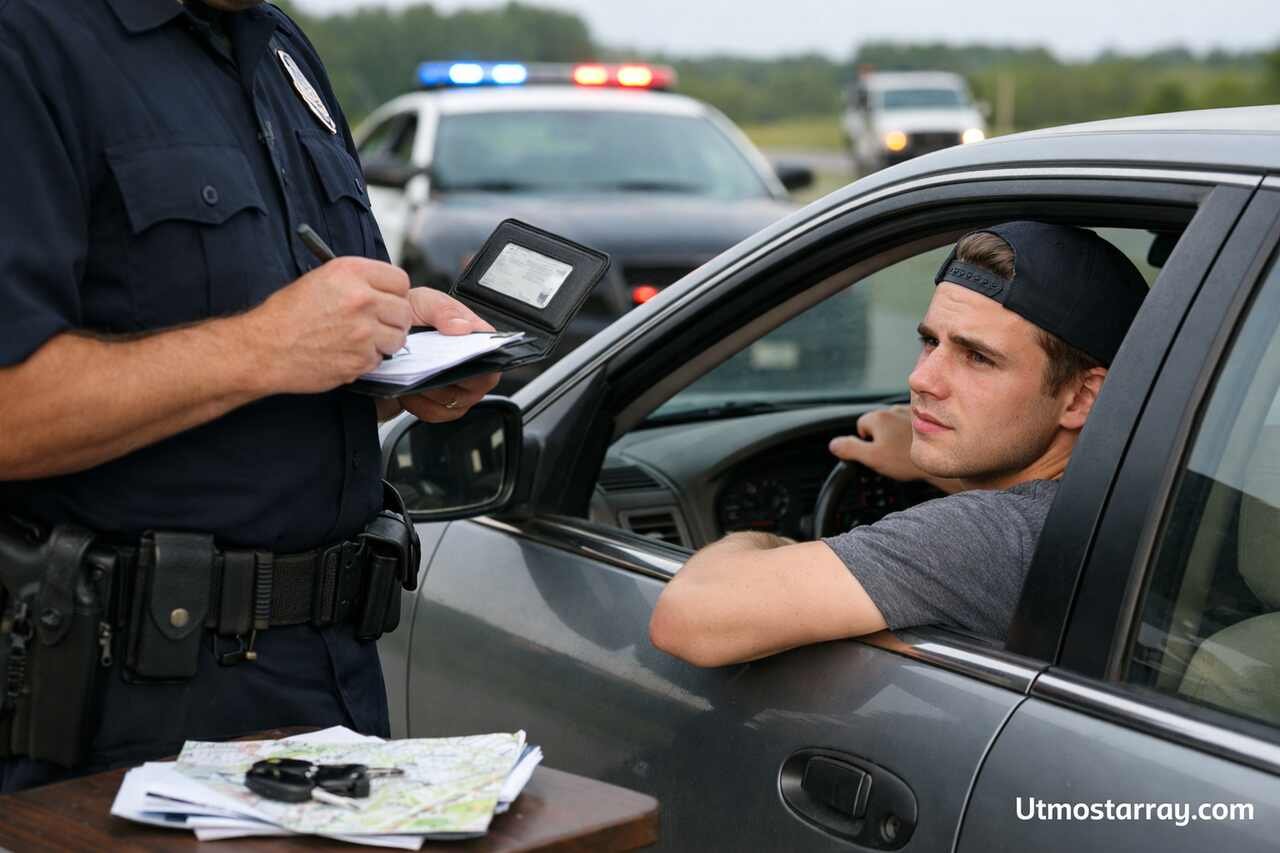
Driving without a license usually leads to legal trouble, including fines, arrest, or vehicle impoundment. Depending on where the person is caught and the specific circumstances, penalties can escalate quickly. A first-time offense might seem like a minor issue, but it can spiral into court cases and permanent criminal records.
People who drive without ever getting a license may be seen by the law as deliberately ignoring public safety standards. Judges often treat such cases more seriously than those involving expired licenses or lost cards. The law expects every driver to prove they understand the rules of the road. Without that proof, even good intentions won’t offer much protection.
From what I’ve seen in conversations with drivers who’ve made this mistake, many don’t realize how quickly things escalate. One man told me he drove just one block to help a sick family member. That short drive ended with a suspended registration, a court summons, and higher insurance rates. The consequences often stretch far beyond that single moment.
Arrest or Citation
Police officers may issue a citation for a first offense, but in some areas, an arrest happens immediately. When the vehicle is pulled over and the driver fails to show a valid license, officers check for other violations too like insurance or registration issues.
Vehicle Impoundment
Law enforcement may have the legal right to impound the car. This means the driver loses immediate access to their vehicle, and retrieving it involves hefty towing and storage fees. In repeat cases, impoundment periods get longer and more expensive.
Why Do People Choose to Drive Without a License?
In my experience, people rarely drive without a license just because they don’t care. Fear, desperation, or a lack of understanding are usually the driving factors. Some are undocumented immigrants, others are young people unsure of the licensing process, and many are simply reacting to emergencies.
I once talked to a woman who had her license suspended due to unpaid tickets. She still needed to get to work, feed her kids, and keep life moving. She risked everything because the system didn’t offer her another way. That kind of decision-making may seem reckless on paper, but in reality, it’s often a mix of survival and confusion.
Still, no matter the reason, driving without a license usually leads to deeper problems. Understanding the root cause is important, but it doesn’t protect anyone from what comes next. That’s why I always recommend talking to a lawyer or researching local transportation options before taking that risk.
Emergency Situations
Emergencies push people into desperate choices. Someone may need to drive a loved one to the hospital, escape a dangerous situation, or get urgent help. These moments cloud judgment, and the law often doesn’t see them as excuses.
Lack of Access to Licensing
Some people can’t get a license because of immigration status, lack of proper documents, or past legal issues. Without an ID or Social Security Number, even starting the process feels impossible, leading many to drive unlicensed just to live a normal life.
What Are the Long-term Consequences of Driving Unlicensed?
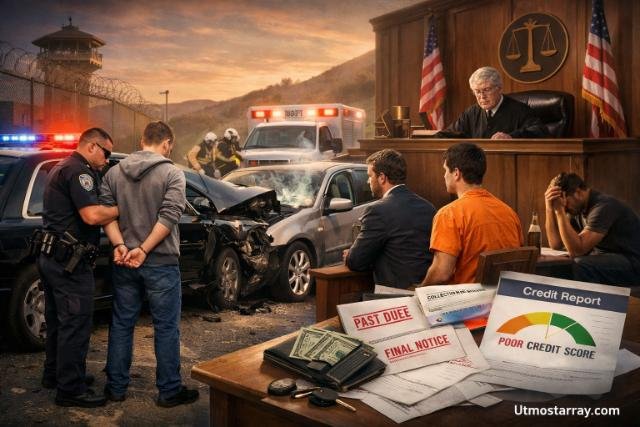
A single incident of driving without a license can affect a person’s life for years. Court records may stay public, and insurance companies use that information to increase premiums or deny coverage entirely. Jobs that require driving or background checks can become inaccessible.
Over time, repeated offenses turn into misdemeanors or even felonies. In many states, multiple convictions lead to mandatory jail time, higher fines, and longer suspension periods. One mistake today can create five years of complications or longer.
In my conversations with people who’ve gone through the system, regret often sets in long after the first ticket. I spoke with a father who couldn’t rent an apartment because of an old misdemeanor related to unlicensed driving. He didn’t even realize it was still on his record after seven years.
Criminal Record Impact
Once a person has a criminal record, expunging it is difficult and expensive. Future employers, landlords, and government agencies all see those records during checks. Even if the original offense was minor, the long-term impression stays.
Insurance Consequences
Driving without a license affects car insurance heavily. Most providers see it as a red flag and either cancel coverage or increase rates. Reinstating coverage after such an incident often requires special high-risk insurance, which costs significantly more.
How Do Different States Treat Unlicensed Driving?
State laws vary widely when it comes to unlicensed driving. In some areas, a first offense is a traffic infraction with a fine. In others, the same act qualifies as a misdemeanor with jail time. That’s why understanding local rules matters so much.
For example, in California, driving without a license can lead to a vehicle being impounded for 30 days. In Texas, the court may issue a Class C or B misdemeanor depending on whether the license was never issued or simply expired. States like Florida and New York have zero-tolerance policies that trigger court appearances even for first-time offenders.
I remember working with a young man from Georgia who thought he could drive without a license because his cousin told him it was “just a fine.” That misunderstanding cost him $2,500 and almost led to a 10-day sentence. State-by-state laws create a minefield for those uninformed.
States with Strict Penalties
Florida, New York, and Arizona enforce strict unlicensed driving penalties, including jail for repeat offenses and license denial for future eligibility. These states prioritize road safety and use heavy fines to discourage violations.
States with Lenient First-Offense Rules
Some states like Oregon and Illinois offer reduced penalties for first offenses if the driver applies for a license afterward. Courts may waive certain fines if the driver can show proof of compliance later.
Can You Ever Legally Drive Without a License?
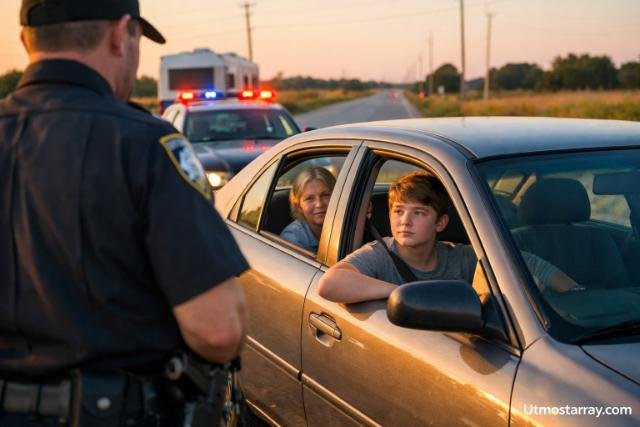
Yes, but only in extremely rare circumstances. For example, driving on private property without a license is usually allowed in many states, as long as the property is not accessible to the public. Farm vehicles or off-road vehicles driven solely on private land often do not require a driver’s license.
Some rural communities allow minors to drive under limited conditions using farm permits or hardship waivers. These exceptions are tightly regulated and do not apply to urban roadways or public highways.
In conversations with farm workers and people in rural areas, many were surprised to learn that their licenses weren’t required for certain tasks. However, stepping off private land changes everything. The moment a public road is involved, legal requirements take effect.
Private Property Driving
On ranches, farms, or privately owned land, the law often allows unlicensed driving. These cases are only legal if the driver doesn’t enter public roads or endanger others. Minors may practice driving under adult supervision on these grounds.
Hardship Licenses
Some states offer hardship licenses for people under 18 who prove they need to drive for school, work, or family health reasons. These licenses often come with strict time limits, route restrictions, and require special documentation.
How Can Someone Regain Driving Privileges After an Offense?
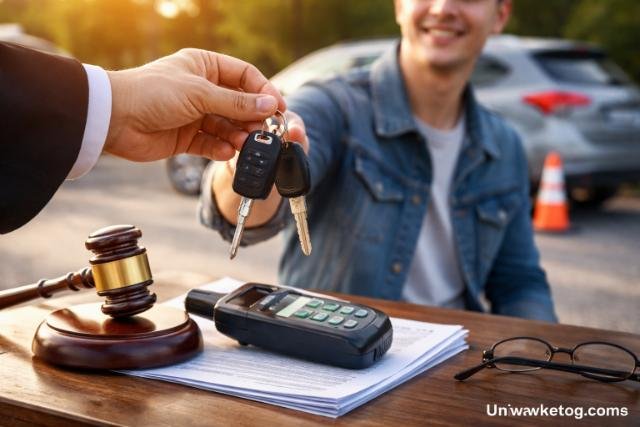
After a conviction for unlicensed driving, getting legal again takes effort. Most states require drivers to complete fines, attend traffic school, and submit official forms. In many cases, the court mandates a period of probation or driving restrictions.
The person may also need to apply for a new license from scratch. This process includes written tests, driving exams, and identity verification. In serious cases, the court might demand legal representation or proof of hardship before allowing reinstatement.
I’ve talked with people who felt overwhelmed by the process but got through it step-by-step. One woman I met completed her traffic education course, saved up to pay fines, and finally got her license after two years. The key is patience and planning.
Completing Legal Requirements
Every jurisdiction has a checklist: pay fines, attend court dates, and complete required classes. Failing to do any of these keeps a person in violation. Getting a receipt for everything is crucial for proving compliance.
Applying for a License Again
Applying for a license after driving illegally may involve stricter requirements. Some states impose a waiting period or extra fees. If the person had previous violations, the new license might come with conditions like limited hours or areas of travel.
What Are the Safer Alternatives to Driving Without a License?
Safer alternatives are always available, even if they require extra planning. Public transportation, ride-sharing apps, carpooling with licensed drivers, and bicycle commuting are some of the best options. While not always convenient, these choices protect a person from legal damage.
Some cities offer community ride programs or transportation assistance for low-income residents. Local churches, charities, and employers also help with commute solutions in some areas. Asking for help can be difficult, but it’s far better than risking arrest.
People I’ve interviewed often found creative solutions once they started asking questions. One man used a neighbor’s carpool for two years while rebuilding his eligibility. Another used his bike and a bus combo to work double shifts.
Public Transportation and Ride-Sharing
Trains, buses, and ride-share services like Uber or Lyft allow unlicensed individuals to move around legally. Using these services may cost money upfront but prevent long-term legal and financial problems.
Community Support Networks
Church groups, shelters, and nonprofits may offer shuttle rides, bus passes, or job-site transportation. Employers sometimes help arrange carpools for workers who lose driving privileges.
Comparison of Legal and Illegal Driving Scenarios
| Scenario | Legal? | Penalty (if illegal) | Notes |
| Driving with a valid license | Yes | None | Fully compliant with the law |
| Driving without ever having one | No | Fine, jail, impoundment | Considered a criminal offense in many states |
| Driving on private land | Yes | None (unless public access) | Legal when kept off public roads |
| Driving with suspended license | No | High fines, extended suspension | More serious than never having a license |
| Emergency driving without license | No | Case-by-case legal review | May be considered, but rarely excused |
Conclusion
Driving without a license might feel like a solution in the moment, but it opens the door to long-term issues. I’ve seen firsthand how one decision can lead to fines, job loss, insurance hikes, and even jail time. Understanding the risks, local laws, and available alternatives gives people the power to make better choices. If you or someone you care about is in this situation, there is always a path to get legal again but it starts with awareness and responsibility. Don’t wait for a crisis to look for solutions.
FAQ’s
Can I drive if I lost my license but had one previously?
Yes, but you need to carry a temporary or digital proof of license. Driving without physical proof may still result in a fine, depending on your location.
Is driving without a license ever allowed in emergencies?
The law rarely makes exceptions for emergencies. Police or courts may reduce penalties, but it’s never guaranteed.
How can I avoid jail for driving without a license?
Hire a lawyer, comply with all court orders, and avoid repeat offenses. Many first-time offenders avoid jail with the right legal approach.
Does insurance cover unlicensed drivers in accidents?
Most insurance policies deny claims if the driver wasn’t licensed. That means the driver is personally liable for damages or injuries.
Can I practice driving before getting a license?
Only with a learner’s permit under supervision. Practicing without any legal documentation is still considered unlicensed driving.