

Highlights
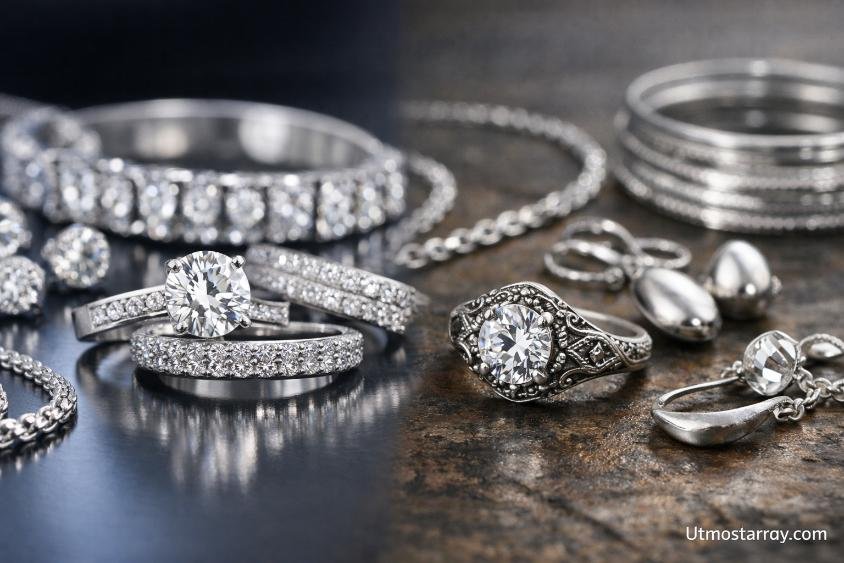
- White gold contains pure gold blended with strengthening alloys and finished with rhodium plating, while silver usually comes in sterling form with 92.5 percent silver and 7.5 percent copper.
- White gold offers greater durability and scratch resistance, making white gold ideal for engagement rings and daily wear jewelry.
- Silver scratches more easily and tarnishes over time, but silver remains highly affordable and easy to polish.
- White gold holds stronger resale and long term value because gold functions as a precious asset metal.
- Silver fits fashion jewelry, trend based purchases, and budget friendly collections.
- White gold may contain nickel, which can affect sensitive skin, while sterling silver is generally safe for most wearers.
- White gold requires rhodium replating every few years, while silver requires regular polishing to prevent tarnish.
- Lifestyle, budget, maintenance tolerance, and long term intention determine the better choice between white gold and silver.
Introduction
White gold and silver differ in composition, durability, maintenance, price, and long term value, and those differences directly affect how jewelry looks, wears, and ages. White gold contains pure gold mixed with strengthening alloys and usually features a rhodium coating, while silver consists primarily of pure silver blended with small amounts of other metals such as copper. Composition influences hardness, tarnish resistance, price, and everyday practicality. Anyone comparing white gold and silver needs clear information about performance, cost, skin reaction, maintenance effort, and aesthetic longevity before making a purchase decision.
What Is the Difference in Composition Between White Gold and Silver?
White gold and silver differ fundamentally in their elemental structure, and elemental structure determines strength, color tone, and longevity. White gold contains pure yellow gold blended with white alloys such as nickel, palladium, or silver. Silver, particularly sterling silver, contains 92.5 percent pure silver and 7.5 percent copper.
Alloy blending transforms yellow gold into a lighter shade. Rhodium plating then enhances brightness and adds scratch resistance. Silver relies on copper to improve durability because pure silver alone remains too soft for jewelry. Copper increases hardness but also increases oxidation risk.
Metal purity affects stamping marks. White gold usually carries markings such as 14K or 18K. Silver usually carries a 925 stamp. Stamps verify composition and help buyers confirm authenticity.
White Gold Composition
White gold contains pure gold as a base metal. Pure gold carries a rich yellow tone and soft texture. Alloy metals such as nickel or palladium change both color and hardness. Rhodium plating coats the surface to create a bright white finish and protect the alloy beneath.
Gold content influences value directly. Fourteen karat white gold contains 58.3 percent gold. Eighteen karat white gold contains 75 percent gold. Higher gold percentage increases price and slightly softens the metal structure.
Silver Composition
Sterling silver consists of 92.5 percent silver and 7.5 percent copper. Copper strengthens silver but increases the tendency to tarnish. Tarnish forms when silver reacts with sulfur compounds in air.
Fine silver contains 99.9 percent silver. Fine silver remains too soft for most jewelry applications. Sterling silver balances durability and affordability, which explains widespread use in rings, chains, and bracelets.
How Does Durability Compare Between White Gold and Silver?
Durability determines how well jewelry withstands daily wear, impact, and surface scratching. White gold offers greater hardness compared to sterling silver. Alloy strength combined with rhodium plating enhances resistance against minor abrasions.
Silver scratches more easily because silver remains a softer metal. Surface scratches accumulate over time, especially on rings and bracelets exposed to friction. Polishing restores shine, but frequent polishing gradually removes small amounts of metal.
Structural integrity also differs. White gold prongs hold gemstones more securely over extended periods. Silver prongs may bend more easily under pressure.
Scratch Resistance
White gold resists scratches better due to alloy hardness and rhodium coating. Rhodium creates a harder outer layer that protects underlying gold. Over time, rhodium plating may wear away and require reapplication.
Silver develops visible scratches faster. Polishing cloths and professional refinishing improve surface appearance, but frequent maintenance becomes necessary for high contact jewelry.
Long Term Structural Strength
White gold maintains stone settings more securely in engagement rings and heirloom pieces. Jewelers often recommend white gold for diamond rings because hardness supports gemstone protection.
Silver works well for pendants, earrings, and light use rings. Silver may deform under heavy pressure or long term daily wear in high impact environments.
How Does Appearance and Color Tone Differ?
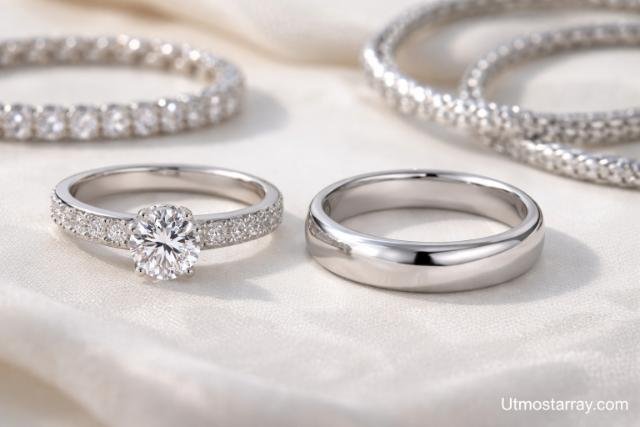
Visual appearance influences style preference and skin compatibility. White gold offers a bright white finish with a slightly warmer undertone beneath rhodium plating. Silver presents a cooler gray white shine.
Rhodium plating enhances brilliance in white gold. Silver displays a natural metallic luster that darkens when tarnish develops. Polishing restores brightness but requires routine effort.
Color stability varies. White gold may shift slightly if rhodium wears off. Silver darkens more noticeably without cleaning.
Shine and Reflectivity
White gold reflects light sharply due to rhodium coating. High reflectivity enhances diamond brilliance. Many engagement rings use white gold to amplify gemstone sparkle.
Silver reflects light softly. Soft reflection creates a vintage aesthetic. Silver suits minimalist and artistic jewelry designs.
Tarnish and Color Change
Silver reacts with air and moisture, causing tarnish. Tarnish appears as darkening or blackening on the surface. Regular cleaning prevents heavy buildup.
White gold does not tarnish like silver. Rhodium plating may thin over years, revealing a slightly warmer tone underneath.
What Is the Price Difference and Value Retention?
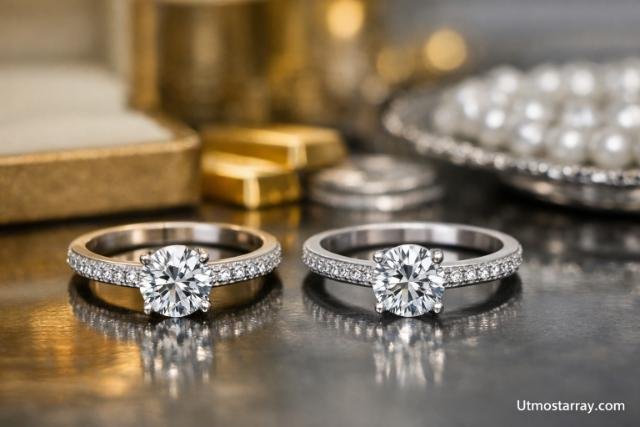
Price comparison often becomes the deciding factor. White gold costs significantly more than silver because gold carries intrinsic value as a precious metal investment. Silver costs less because silver market price remains lower per gram.
Initial purchase price differs greatly between engagement rings in white gold and similar designs in silver. Gold content increases resale value and long term asset retention.
Silver jewelry holds lower resale value. Silver value depends on weight rather than brand or craftsmanship in most cases.
| Feature | White Gold | Silver |
| Base Metal Value | High due to gold content | Lower due to silver market price |
| Average Jewelry Cost | Moderate to high | Low to moderate |
| Resale Potential | Stronger long term value | Limited resale value |
| Investment Aspect | Considered asset metal | Mostly decorative metal |
Cost for Engagement Rings
White gold engagement rings cost more due to gold percentage and rhodium finishing. Higher karat equals higher price.
Silver engagement rings cost less initially but may require more frequent maintenance and potential replacement over time.
Long Term Investment Perspective
White gold retains value because gold markets remain globally recognized. Gold functions as a hedge against inflation.
Silver holds value in bulk quantities rather than individual jewelry pieces. Silver jewelry usually does not appreciate significantly.
How Much Maintenance Does Each Metal Require?
Maintenance affects long term satisfaction. White gold requires rhodium replating every one to three years depending on wear frequency. Silver requires regular polishing to prevent tarnish.
Daily habits influence upkeep. Removing jewelry before swimming or cleaning extends longevity. Proper storage in anti tarnish pouches reduces oxidation.
I always tell readers that maintenance tolerance should match lifestyle. Busy schedules may benefit from lower maintenance metals.
Cleaning and Care Routine
White gold cleaning involves mild soap, warm water, and soft brushing. Professional replating restores original brightness.
Silver cleaning requires polishing cloths or specialized silver cleaners. Anti tarnish strips help reduce oxidation.
Frequency of Professional Service
White gold may require professional service less frequently but replating cost can be higher per visit.
Silver may require more frequent polishing but lower individual service cost.
Which Metal Is Better for Sensitive Skin?
Skin reaction depends on alloy composition. White gold sometimes contains nickel. Nickel may trigger allergic reactions for some individuals.
Palladium based white gold reduces allergy risk. Silver rarely causes allergic reactions unless alloy metals trigger sensitivity.
Metal testing and skin awareness prevent irritation.
Nickel Sensitivity in White Gold
Nickel allergy causes redness or itching. Buyers should request nickel free white gold if sensitivity exists.
Palladium white gold offers hypoallergenic benefits but increases price.
Silver and Skin Reaction
Sterling silver generally remains safe for most skin types. High copper content may cause slight discoloration on skin in humid conditions.
Proper cleaning reduces skin staining.
Which Metal Should You Choose for Your Lifestyle?
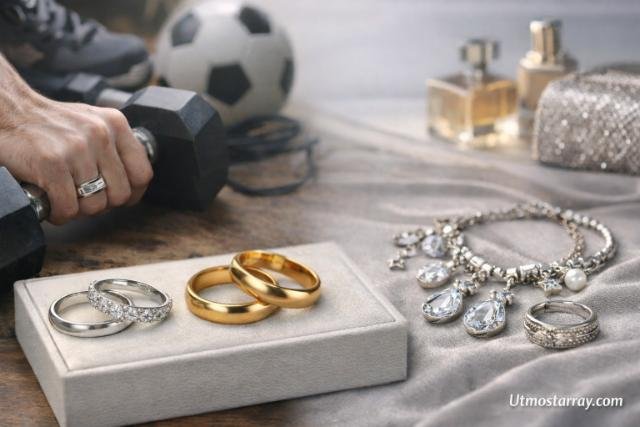
Lifestyle influences the final decision more than aesthetics alone. Active individuals who engage in sports or manual tasks benefit from white gold durability. Occasional wear jewelry suits silver affordability.
Budget plays a role. Long term commitment pieces such as wedding bands often justify white gold investment. Trend based fashion jewelry aligns well with silver.
From my experience wearing both metals, I prefer white gold for rings I wear daily and silver for seasonal accessories. White gold gives peace of mind for durability, while silver allows experimentation without financial pressure.
| Lifestyle Factor | White Gold | Silver |
| Daily Wear Rings | Highly suitable | Moderate suitability |
| Fashion Jewelry | Suitable | Excellent choice |
| Budget Friendly | Less budget friendly | Highly budget friendly |
| Heirloom Potential | Strong | Limited |
Best for Everyday Jewelry
White gold performs better for engagement rings, wedding bands, and daily bracelets. Structural strength protects stones and shape.
Silver works well for earrings, pendants, and light use rings.
Best for Budget and Style Flexibility
Silver offers style flexibility and lower financial risk. Buyers can rotate designs without large investment.
White gold offers prestige and durability with higher upfront cost.
Conclusion
White gold and silver serve different purposes based on composition, durability, maintenance, price, and lifestyle compatibility. White gold contains valuable gold alloys and offers superior strength, while silver provides affordability and aesthetic versatility. White gold suits long term commitment jewelry and high durability needs. Silver suits fashion oriented purchases and budget conscious buyers. Smart selection depends on wear frequency, skin sensitivity, maintenance tolerance, and financial planning. Balanced understanding of both metals ensures satisfaction and informed investment.
FAQ’s
Does white gold look exactly like silver?
White gold appears brighter due to rhodium plating, while silver shows a slightly gray tone and may darken over time.
Does silver last as long as white gold?
Silver can last many years with care, but white gold generally maintains structural integrity longer under daily wear.
Is white gold worth the higher price?
White gold justifies price through durability, gold value retention, and suitability for important jewelry such as engagement rings.
Does silver turn green on skin?
Silver may cause temporary discoloration due to copper reaction with moisture, but proper cleaning reduces the effect.
Which metal requires less maintenance?
White gold requires occasional replating, while silver requires more frequent polishing to prevent tarnish.
