

Highlights
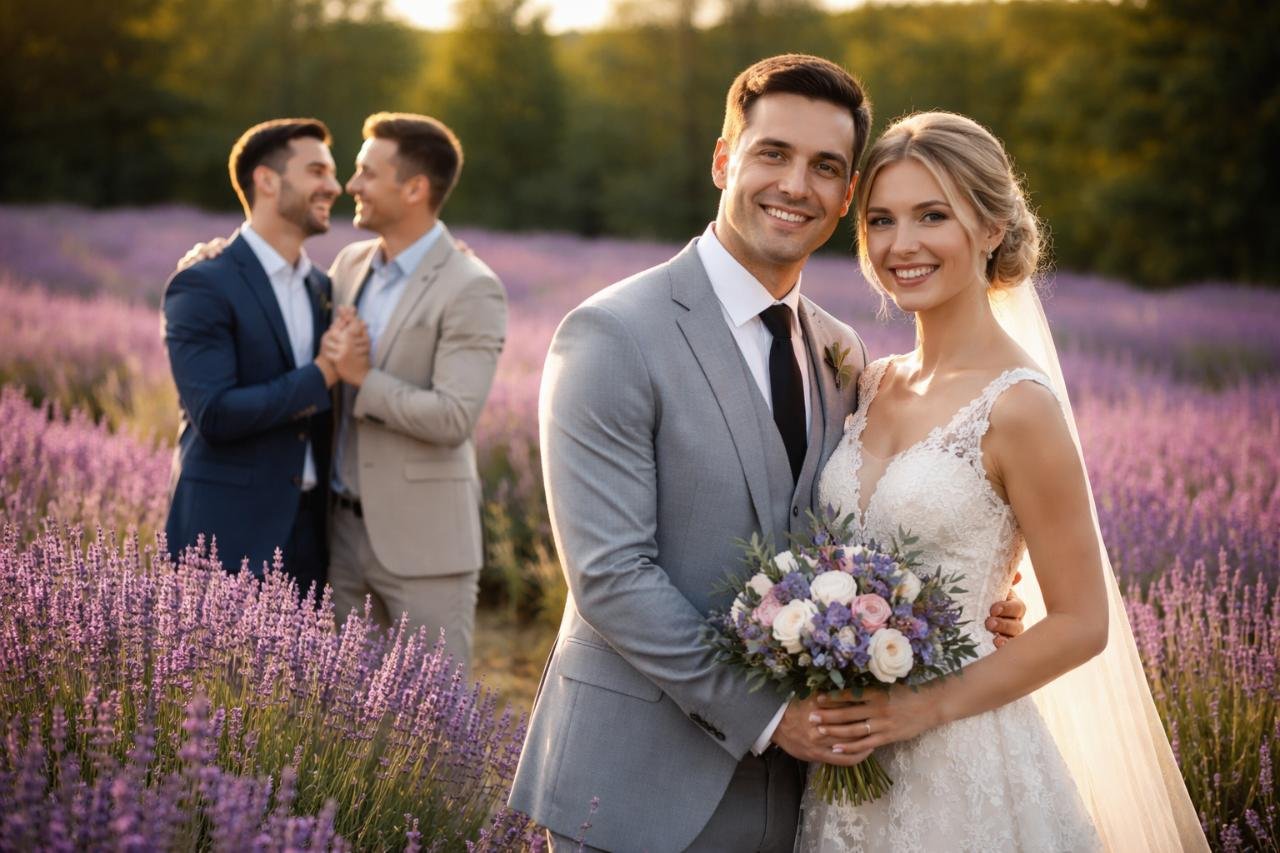
- Lavender marriage is a union where one or both partners are LGBTQ+ but marry someone of the opposite sex to maintain a socially acceptable image.
- These marriages are often driven by social, cultural, professional, or religious pressures rather than romantic love or attraction.
- Historically common in Hollywood and political circles, they helped public figures protect careers and reputations.
- People in these marriages often experience emotional suppression, identity conflict, and lack of romantic fulfillment.
- Despite modern social progress, lavender marriages still exist today, especially in conservative cultures or industries.
- Many such unions are marked by emotional distance, delayed self-discovery, and hidden truths.
- True intimacy and trust often suffer in these relationships, especially when one partner is unaware of the other’s orientation.
- Society can reduce the need for lavender marriages through inclusion, legal protection, and authentic representation.
- Some couples find strategic companionship, but long-term emotional satisfaction is rare in these arrangements.
A lavender marriage refers to a union between a man and a woman where one or both partners identify as LGBTQ+ but enter the marriage to present a heterosexual image to society. These marriages are not about romantic or sexual attraction but about preserving public image, career opportunities, or familial expectations. Historically rooted in times and cultures where non-heteronormative relationships were heavily stigmatized or criminalized, lavender marriages offered a protective facade. In modern times, while society has grown more accepting in some regions, the pressure for such arrangements persists in various professions, religious backgrounds, or conservative communities.
During my exploration of this topic, I spoke with individuals who had been part of such arrangements, either knowingly or unknowingly, and I discovered how deeply these decisions are tied to fear, duty, love, and sometimes survival. Through that lens, I want to guide you with both empathy and clarity as we dive deep into understanding this subject in its historical, cultural, psychological, and social complexity.
Lavender marriages might appear outdated to some, but in reality, they still operate today in subtle forms. Whether entered voluntarily or under pressure, these unions reflect broader issues of personal identity, freedom, societal expectations, and the compromises individuals make for acceptance, protection, or ambition.
Why Do People Enter Lavender Marriages?
Lavender marriages are often motivated by external pressures rather than personal desires. Social stigma against LGBTQ+ identities, career-related concerns, religious expectations, and fear of family rejection play major roles in influencing these decisions. For some, the marriage acts as a shield, keeping their true identity hidden while satisfying external norms.
In conversations with individuals who’ve lived through this experience, many expressed a sense of double life. They balanced their public image with secret relationships or an internal identity they could never openly express. This emotional burden often resulted in depression, anxiety, or a persistent feeling of loneliness. The marriage might fulfill societal roles, but emotional needs remain unmet.
Modern variations of these marriages may be less visible but still occur, particularly in countries or cultures with rigid expectations of heterosexuality. Even in relatively progressive societies, certain professions especially those in politics, religion, or entertainment still foster environments where presenting as straight seems safer.
Social Expectations and Reputation
Maintaining reputation, especially in conservative environments, is a leading cause for lavender marriages. Public image, community honor, and family name can compel individuals to marry even when it conflicts with their authentic self. In many cultures, deviation from heteronormative standards is equated with shame.
Religious and Cultural Pressure
Certain religious doctrines and traditional practices treat homosexuality as immoral or unacceptable. In these scenarios, a lavender marriage becomes a silent negotiation between personal truth and external doctrine. For many, conforming to tradition outweighs personal freedom due to fear of exile, punishment, or spiritual guilt.
How Did Lavender Marriages Start Historically?
Lavender marriages have historical roots in the early 20th century, particularly in Hollywood. Public figures, especially actors and entertainers, entered these unions to preserve their careers and avoid media scrutiny. At the time, being labeled gay could destroy reputations and careers overnight.
During the 1920s through the 1960s, many celebrities were pressured by studios to marry someone of the opposite gender to maintain a “family-friendly” persona. These marriages were sometimes contractual and often lacked emotional connection. The term “lavender” was associated with queerness during this era, and the name for the marriage reflects the secret nature of the arrangement.
Beyond Hollywood, political figures and business elites also used similar strategies to avoid public suspicion. For people of influence, appearances mattered more than personal truth. These marriages became a convenient, albeit emotionally costly, compromise.
Hollywood and Public Image
Studios managed actors’ personal lives to protect profits. Gay or lesbian stars often faced the threat of blacklisting or smear campaigns if they didn’t comply. Lavender marriages became a strategic solution to silence speculation and maintain mainstream appeal.
Political and Royal Influence
In many aristocratic and royal circles, lineage and traditional values were paramount. Marrying within heterosexual norms was seen as a duty. Any deviation could provoke scandal or succession issues, so lavender marriages were often used to protect dynastic continuity.
What Are the Emotional Consequences of a Lavender Marriage?

Living in a lavender marriage often leads to emotional strain. Individuals in such unions may feel disconnected from their partner and from themselves, experiencing ongoing internal conflict. The facade they maintain externally contradicts their true identity, resulting in psychological distress.
In many discussions I’ve had with people in these arrangements, they described feeling isolated even while fulfilling traditional roles. They often had to sacrifice intimacy, romantic connection, and emotional fulfillment. The cost of presenting a false narrative often led to guilt and regret, even if it achieved a temporary goal.
The partner unaware of the arrangement’s full context may also suffer. In cases where only one party is LGBTQ+ and the other expects a conventional relationship, feelings of betrayal, confusion, or inadequacy emerge. These complexities make the marriage emotionally volatile.
Identity Suppression
Suppressing one’s identity, especially over years, impacts mental health severely. Anxiety, depression, and dissociation are common. Constantly pretending to be someone else erodes self-esteem and can lead to a sense of loss regarding one’s authentic self.
Lack of Emotional Intimacy
Without romantic or sexual compatibility, emotional intimacy becomes difficult. Some couples become platonic companions, while others drift apart entirely. A love-less marriage, even if functional, often lacks joy and connection, leading to long-term dissatisfaction.
Are Lavender Marriages Still Relevant Today?
Lavender marriages still exist, though more discreetly. In certain professions or countries where LGBTQ+ rights are limited, such marriages provide cover from scrutiny. Fear of social exclusion, legal consequences, or career damage keeps these arrangements alive.
In many Eastern societies, family honor and pressure to marry can push people toward these unions. Even in Western countries, religious communities or high-profile careers still generate environments where coming out can be risky. In such contexts, lavender marriages persist under different names or narratives.
However, increased visibility of LGBTQ+ people and growing acceptance has reduced the need for such arrangements in some places. Many people now seek relationships that reflect their true identity, choosing honesty over secrecy despite the challenges.
Modern Professional Pressures
Politicians, clergy, and high-level executives in conservative settings often avoid coming out to protect their roles. In such circles, image management becomes part of career survival, leading to marriage as a public relations tool rather than a personal commitment.
Cultural Silence and Stigma
In countries with limited or no legal protection for LGBTQ+ individuals, coming out can lead to arrest, assault, or death. In such scenarios, entering a heterosexual marriage is not just about appearances it’s about personal safety and survival.
What Are the Personal Risks of Hiding One’s Orientation Through Marriage?

Hiding one’s identity under the mask of a marriage leads to prolonged mental and emotional exhaustion. The ongoing performance of a false identity can erode trust, both in personal relationships and in oneself. For many, the psychological toll becomes unbearable over time.
From my experience speaking with individuals who eventually divorced or separated from lavender marriages, many regretted the years lost in hiding. They described a delayed personal development, missed relationships, and emotional stagnation. Coming out after years of pretense required rebuilding their sense of self from the ground up.
Staying hidden also prevents real connection. Romantic fulfillment, mutual understanding, and shared dreams are hard to achieve when the relationship’s foundation is inauthentic. Over time, resentment or detachment may grow between partners.
Delayed Self-Discovery
Many individuals in lavender marriages report that they missed the opportunity to fully explore who they are. The time spent maintaining appearances delayed personal milestones like coming out, exploring queer communities, or pursuing meaningful love.
Breakdowns in Trust
When one partner discovers the other’s hidden orientation, trust often fractures. The revelation can feel like deception, even if it stemmed from survival. Rebuilding trust becomes extremely difficult, especially if children or shared investments are involved.
How Can Society Prevent the Need for Lavender Marriages?
Society can prevent lavender marriages by fostering inclusive environments where individuals feel safe being open about their identities. Education, representation, and anti-discrimination laws create a foundation for acceptance and reduce the fear that drives people to hide.
Safe spaces in schools, workplaces, and religious institutions allow individuals to express their identity without fear of backlash. My conversations with openly queer individuals confirm that supportive communities change lives by validating people as they are. Where inclusion is real, the need for concealment disappears.
Social progress also depends on visible role models and allies. Public figures who come out, support from non-LGBTQ+ individuals, and honest representation in media can shift narratives and make authenticity more attainable for everyone.
Legal Protection and Policy Change
Governments play a critical role in protecting LGBTQ+ rights. Laws that recognize same-sex relationships, ban discrimination, and offer legal protection reduce the consequences of coming out. Without such safeguards, fear continues to dominate personal choices.
Visibility and Representation
Positive representation in television, film, literature, and leadership helps normalize diverse identities. When people see others like themselves thriving, the pressure to conform fades. Authentic visibility reduces the need for pretense or concealment.
What Role Does Love Play in These Arrangements?
Love in lavender marriages often shifts from romantic to platonic or strategic. In some cases, the individuals care deeply for each other as friends or companions but lack romantic attraction. Others may enter the marriage purely for convenience, with no emotional bond.
While traditional love isn’t always present, emotional support can still exist. Some lavender marriages are built on mutual understanding and solidarity. Both partners might be LGBTQ+ and agree to support each other while pursuing private lives outside the marriage.
Through people I’ve interviewed, I’ve seen examples of both: marriages filled with tension, secrets, and sorrow, and others that functioned like partnerships or business arrangements. Love, in these contexts, takes many forms beyond the traditional romantic ideal.
Strategic Emotional Bonds
Some lavender marriages function with genuine emotional support and shared life goals. These bonds are not romantic but are built on loyalty and mutual respect. These arrangements may even provide stability during turbulent social periods.
Sacrificial Love
In rare instances, one partner may genuinely love the other romantically, despite knowing the other’s orientation. These dynamics often lead to heartache and unbalanced relationships, especially if expectations are not clearly defined from the beginning.
Comparison Between Conventional and Lavender Marriages
| Category | Conventional Marriage | Lavender Marriage |
| Motivation | Love, compatibility | Social conformity, public image |
| Romantic Compatibility | Typically present | Often absent or one-sided |
| Emotional Fulfillment | Usually prioritized | Often lacking or compromised |
| Secrecy Level | Minimal | High identity suppression required |
| Duration | Long-term with shared goals | Varies sometimes temporary or strategic |
Conclusion
Lavender marriages reflect a hidden struggle within individuals navigating hostile or unwelcoming environments. Behind the polished facade of conformity lies a deep need for safety, acceptance, and survival. While some arrangements function through mutual respect or strategic alliance, many cause emotional damage, identity suppression, and delayed personal growth. Greater inclusion, representation, and legal protection can help end the need for such marriages and allow people to live their truth openly.
FAQ’s
Is a lavender marriage legal?
Yes, lavender marriages are legally recognized as standard marriages, since they involve consenting adults. The nature of the relationship doesn’t affect its legality.
Do both partners always know it’s a lavender marriage?
Not always. Sometimes one partner may not be aware of the other’s true orientation, leading to emotional distress or eventual separation.
Can lavender marriages be happy?
Some may find companionship and support within the arrangement, but often emotional and romantic dissatisfaction remains a key issue.
Are lavender marriages common today?
They are less visible but still exist, particularly in conservative cultures or professions where LGBTQ+ individuals face social or legal consequences.
What happens if someone wants to leave a lavender marriage?
Leaving involves the same legal processes as any other marriage, but it may also require emotional healing, coming out, and rebuilding one’s life openly.
