

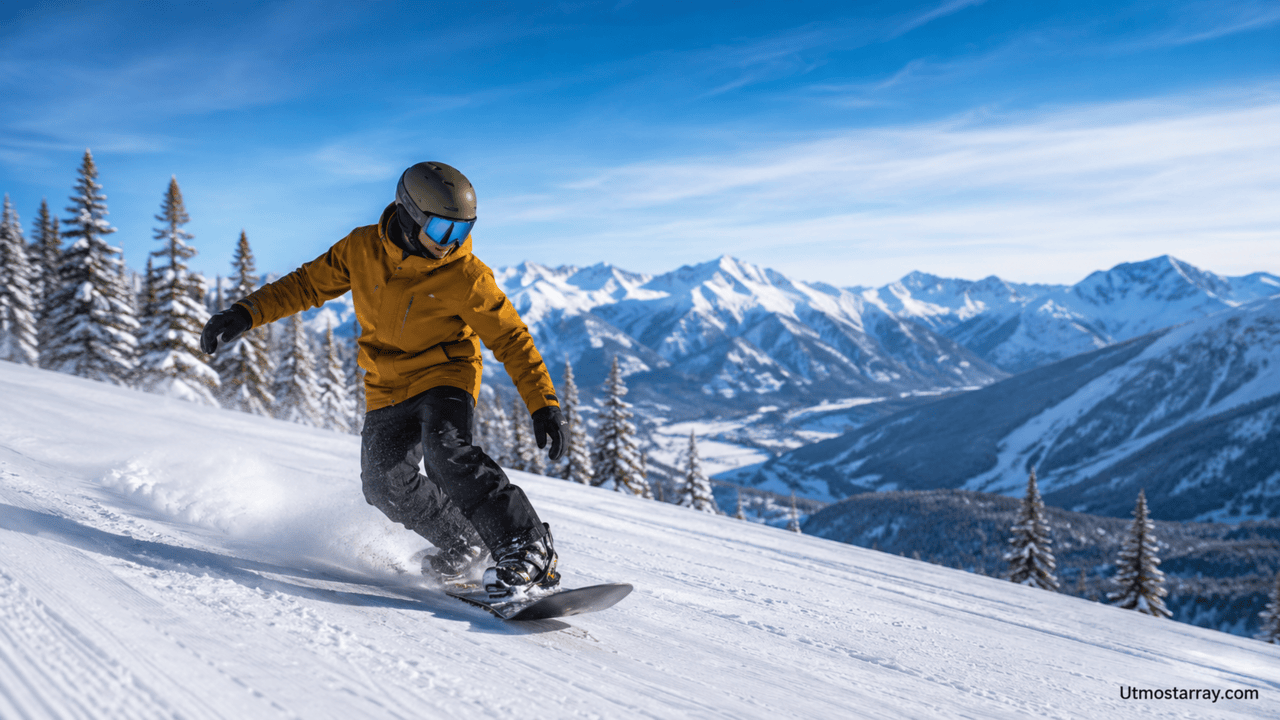
Snowboarding is one of the most exciting winter sports in the world. Whether you’re heading to a mountain resort for the first time or switching from skiing, learning how to snowboard can be challenging and rewarding at the same time. While most beginners spend their first day falling frequently, the right techniques and preparation can dramatically shorten the learning curve.
This guide explains everything you need to know about how to snowboard, from choosing equipment and finding your stance to turning, stopping, and building confidence on the slopes.
What Is Snowboarding?
Snowboarding is a winter sport that involves riding down snow-covered slopes on a snowboard attached to your feet. It combines elements of surfing, skateboarding, and skiing, creating a unique riding experience.
Unlike skiing, where each foot is attached to a separate ski, snowboarders stand sideways on a single board and use body movements to control direction, speed, and balance.
Why Should You Learn How to Snowboard?
Snowboarding offers several benefits beyond recreation:
| Benefit | Description |
| Full-body workout | Engages legs, core, and balance muscles |
| Outdoor adventure | Encourages exploration of mountains and winter landscapes |
| Social activity | Great for friends, families, and groups |
| Mental focus | Improves concentration and coordination |
| Skill progression | Allows continuous learning from beginner to advanced levels |
Many riders enjoy snowboarding because it offers endless opportunities to improve and learn new techniques.
What Equipment Do You Need to Snowboard?
Before heading to the mountain, make sure you have the proper equipment.
Snowboard
Choose a beginner-friendly all-mountain snowboard. These boards are versatile and forgiving, making them easier to control.
Snowboard Boots
Your boots should fit snugly without causing pain. Properly fitted boots provide better board control and comfort.
Bindings
Bindings connect your boots to the snowboard. Most beginners use strap bindings because they are reliable and easy to adjust.
Helmet
A helmet is essential for safety and should be worn every time you ride.
Goggles
Snowboarding goggles improve visibility and protect your eyes from snow, wind, and sunlight.
Waterproof Clothing
Dress in layers and wear:
- Waterproof snowboard jacket
- Snow pants
- Gloves or mittens
- Thermal base layers
- Warm socks
Staying dry and comfortable makes learning much easier.
How Do You Determine Your Snowboarding Stance?
One of the first things every beginner must learn is their riding stance.
Regular Stance
A regular rider places the left foot forward.
Goofy Stance
A goofy rider places the right foot forward.
How to Find Your Stance
Ask a friend to gently push you from behind. The foot you naturally step forward with is usually your lead foot.
Another method is to imagine sliding across a slippery floor. The foot you place forward most naturally often indicates your snowboard stance.
How to Get Comfortable on a Snowboard
Before riding downhill, spend time getting comfortable with the board.
Practice:
- Standing up while strapped in
- Walking with one foot attached
- Sliding on flat terrain
- Balancing while stationary
These simple exercises help develop confidence before attempting steeper slopes.
How to Ride a Snowboard for the First Time
When starting out, choose a beginner slope with a gentle incline.
Step 1: Strap In
Sit down and secure both boots into the bindings.
Step 2: Stand Up
Use your hands for support and rise slowly while keeping your knees bent.
Step 3: Maintain Athletic Position
Keep:
- Knees bent
- Back straight
- Eyes looking forward
- Weight centered
Avoid looking down at your feet.
Step 4: Glide Slowly
Allow gravity to move you downhill at a controlled pace.
Focus on balance rather than speed.
How to Turn on a Snowboard
Turning is one of the most important snowboarding skills.
Heel-Side Turn
To perform a heel-side turn:
- Shift weight slightly onto your heels.
- Lift your toes gently.
- Allow the board to rotate across the slope.
Heel-side turns are generally easier for beginners.
Toe-Side Turn
For a toe-side turn:
- Apply pressure through your toes.
- Lean slightly toward the front edge of the board.
- Let the board carve in the desired direction.
Practice both types of turns until they feel natural.
How to Link Turns While Snowboarding
Linking turns allows you to ride smoothly down the mountain while controlling speed.
The process involves:
- Completing a heel-side turn.
- Transitioning smoothly to a toe-side turn.
- Repeating the pattern.
This creates an “S” shape across the slope and is the foundation of effective snowboarding.
How to Stop on a Snowboard
Learning to stop safely is crucial.
Heel-Side Stop
Most beginners find this easiest.
- Rotate the board perpendicular to the slope.
- Apply pressure to your heels.
- Dig the board’s edge into the snow.
- Toe-Side Stop
More advanced but equally effective.
- Turn the board across the hill.
- Apply pressure through your toes.
- Hold the edge until you stop.
Practice stopping frequently before increasing speed.
Common Beginner Snowboarding Mistakes
Many new riders struggle because of a few common errors.
Standing Too Straight
Bent knees improve balance and shock absorption.
Looking Down
Always look where you want to go.
Leaning Back Excessively
Leaning too far backward reduces board control and causes fatigue.
Riding Slopes Above Your Skill Level
Stay on beginner terrain until basic turning and stopping become comfortable.
Skipping Warm-Ups
Cold muscles are more prone to injury and fatigue.
How Long Does It Take to Learn Snowboarding?
Learning speed varies by individual.
| Experience Level | Typical Learning Time |
| Basic balance | 1 day |
| Controlled turns | 2–3 days |
| Linking turns | 3–5 days |
| Comfortable riding | 1–2 weeks |
| Advanced carving | Several months |
Most beginners can ride green slopes confidently after a few days of practice.
Tips to Learn Snowboarding Faster
To accelerate progress:
- Take a professional lesson.
- Practice regularly.
- Wear proper gear.
- Start on beginner slopes.
- Focus on balance before speed.
- Learn how to fall safely.
- Watch experienced riders.
- Stay patient and consistent.
Small improvements add up quickly.
Is Snowboarding Harder Than Skiing?
Many beginners find snowboarding more difficult during the first few days because both feet are attached to one board.
However, once basic balance and turning are learned, many riders progress faster than skiers.
Snowboarding usually has:
More difficult beginning: Learning balance and getting up after falls.
Easier intermediate stage: Turning and riding become more natural after mastering fundamentals.
Safety Tips for Beginner Snowboarders
Safety should always come first.
Remember to:
- Wear a helmet.
- Check weather conditions.
- Stay hydrated.
- Follow slope rules.
- Maintain a safe distance from others.
- Avoid terrain parks until comfortable riding.
- Never ride beyond your ability level.
Safe riders enjoy the sport for many years.
Conclusion
Learning how to snowboard requires patience, practice, and proper technique. Every snowboarder starts as a beginner, and falling is simply part of the process. By choosing the right equipment, mastering balance, learning to turn and stop, and practicing consistently, you’ll gain confidence and improve rapidly.
Focus on enjoying the experience rather than becoming perfect immediately. With time, you’ll be carving turns, exploring new terrain, and discovering why snowboarding has become one of the world’s most popular winter sports.
