

Introduction
Car polishing is an essential step in vehicle detailing that enhances the car’s appearance and protects the paint. Polishing removes minor imperfections such as swirl marks, light scratches, oxidation, and water spots, giving your car a mirror-like finish. This guide explains the best techniques, tools, and safety measures to achieve professional results at home.
What Are the Essential Tools for Polishing a Car?
To achieve a flawless finish, you need the right tools. Using improper tools can cause more harm than good.
Dual-Action Polisher
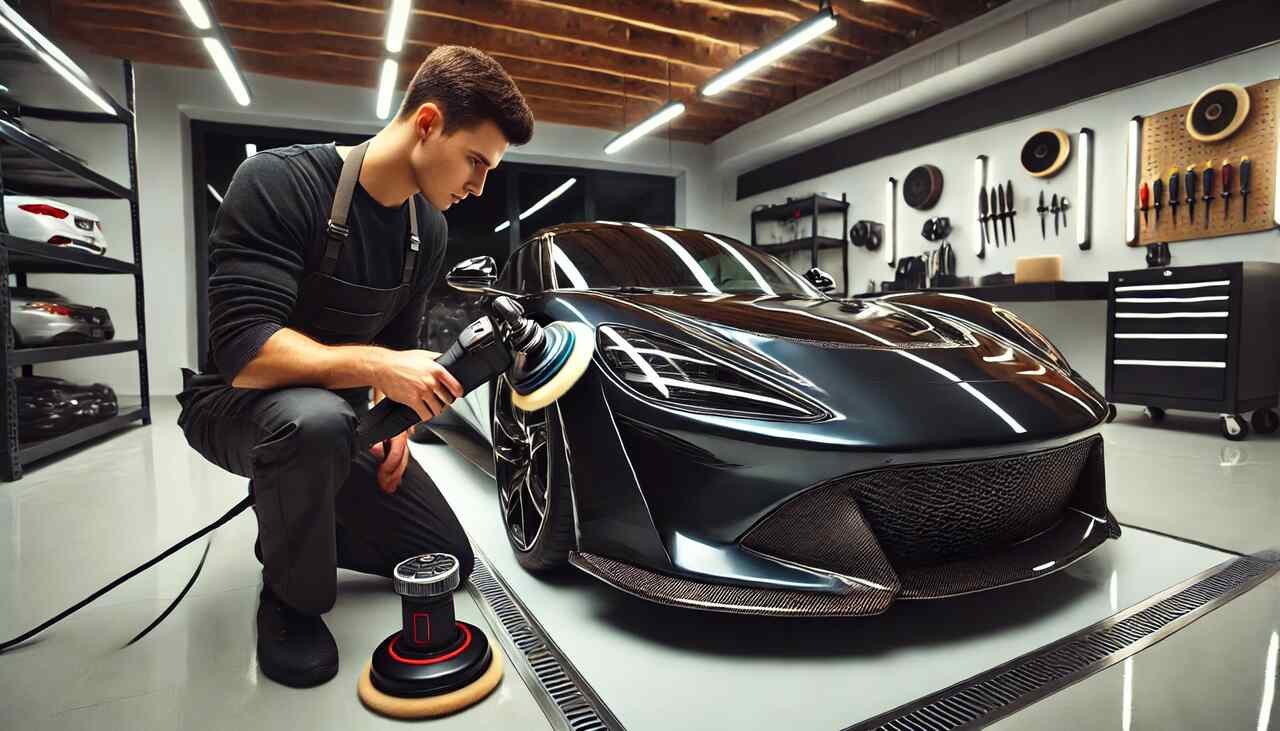
A dual-action polisher helps spread the polishing compound evenly while minimizing the risk of burning the paint. It oscillates and rotates, reducing the chances of creating swirl marks.
Polishing Pads
Different types of pads are required based on the level of paint correction needed:
- Foam Pads: Ideal for minor scratches and oxidation removal.
- Wool Pads: More aggressive and used for heavy correction.
- Microfiber Pads: Provide finishing touches and enhance gloss.
Polishing Compounds
Polishing compounds come in various levels of abrasiveness:
- Cutting Compound: Removes deeper scratches.
- Medium Compound: Suitable for moderate imperfections.
- Finishing Polish: Enhances gloss and smoothness.
Microfiber Towels
Microfiber towels help buff out excess polish and add final touches without scratching the surface.
Clay Bar
A clay bar removes embedded contaminants that washing alone cannot eliminate, providing a smooth surface for polishing.
How to Prepare the Car Before Polishing?
Proper preparation ensures optimal polishing results and prevents paint damage.
Washing the Car
Use a pH-balanced car shampoo and wash mitt to remove dirt and grime. Avoid automatic car washes as they can create swirl marks.
Drying the Surface
Use a microfiber drying towel or a blower to remove water completely before polishing.
Clay Bar Treatment
Using a clay bar removes stubborn contaminants such as tar, tree sap, and industrial fallout. Lubricate the surface before gliding the clay bar to prevent scratching.
Masking Sensitive Areas
Use masking tape to protect trim, rubber seals, and other delicate parts from polish residue.
What Are the Best Car Polishing Techniques?
There are two primary methods: hand polishing and machine polishing.
Hand Polishing
Hand polishing is suitable for minor paint corrections. Use a foam applicator pad and apply even pressure in circular motions.
Machine Polishing
Machine polishing provides faster and more consistent results. Dual-action polishers are beginner-friendly, whereas rotary polishers are more aggressive and require skill.
Wet Sanding
Wet sanding is an advanced technique used for deep scratches and severe oxidation. Use ultra-fine sandpaper with plenty of lubrication.
Applying Polishing Compound
Apply a few drops of polishing compound on the pad and spread it evenly before turning on the polisher. Work in small sections to ensure even coverage.
How to Finish and Protect the Polished Surface?
After polishing, it’s crucial to protect the paint to maintain the shine.
Waxing
Applying carnauba or synthetic wax adds a protective layer and enhances gloss. Waxing should be done every 2-3 months.
Sealant Application
Paint sealants offer long-lasting protection, typically lasting 6-12 months. They provide better resistance against UV rays and contaminants than wax.
Ceramic Coating
Ceramic coatings offer the highest level of protection, creating a hydrophobic layer that repels water and dirt for years.
What Are the Common Mistakes to Avoid?
Avoiding these mistakes ensures a flawless finish.
Using Excessive Product
Applying too much polish can make removal difficult and lead to streaking.
Skipping Surface Preparation
Failing to wash, dry, or clay the car properly can cause polishing pads to pick up dirt and scratch the surface.
Applying Too Much Pressure
Excessive pressure can burn the paint or create uneven results. Let the machine or hand movements do the work.
Polishing in Direct Sunlight
Heat can cause the polish to dry too quickly, making it harder to buff out.
Conclusion
Polishing a car enhances its appearance and preserves the paint’s longevity. Following the right techniques, using proper tools, and avoiding common mistakes ensure professional results. Regular polishing, combined with protective measures like waxing or ceramic coating, keeps your car looking pristine for years.
FAQs
How often should I polish my car?
It depends on driving conditions, but generally, every 3-6 months is recommended.
Can I polish my car by hand?
Yes, but machine polishing provides more consistent and professional results.
Is polishing the same as waxing?
No, polishing removes imperfections, while waxing adds protection.
Can polishing remove deep scratches?
Polishing can remove minor scratches. Deep scratches may require wet sanding or repainting.
What’s the best time to polish a car?
Polish in a cool, shaded area to prevent premature drying of the polish.
By following this guide, you can achieve a showroom-quality shine and protect your vehicle’s paint for years to come.
