
Learning music doesn’t need to be complicated. Start with the right instrument and it gets easier. Some are more beginner-friendly than others. They help you build confidence and keep you motivated.
You don’t need fancy gear or years of training to begin. What matters is picking one that suits your style and comfort.
Here are beginner-approved musical instruments you can explore now. Check the list and get started today.
1. Acoustic Guitar
The acoustic guitar is one of the most popular choices for beginners. It doesn’t require any external equipment, making it easy to get started. The basic chords are simple to learn and widely used in many songs.
Acoustic guitars come in different sizes, which helps suit different hand sizes. Beginners can play basic melodies within the first few weeks. The strings are soft enough to practice for long periods.
It’s also a portable instrument, making it great for traveling or casual performances. Acoustic guitar helps improve rhythm, finger coordination, and musical ear. It’s a solid foundation for learning other string instruments later on.
2. Piano
The piano is a well-rounded instrument that helps you understand both melody and harmony. Beginners can visualize the notes easily, which helps with learning. It has a wide range of notes, allowing players to cover many music genres.
Learning basic scales and chords on piano sets the stage for musical theory. Many beginner lessons use simple finger exercises that build coordination. The keys are arranged in a logical pattern, making it easier to memorize notes.
Practicing regularly helps develop muscle memory and timing. Piano playing improves hand independence and focus. It’s also a good starting point for songwriting and composing.
3. Violin
The violin is a great choice for those who enjoy classical or folk music. It’s light, compact, and doesn’t need power or accessories to use. Although it takes time to master, simple songs can be learned early.
Violin trains the ear, as it doesn’t have frets, so finger placement matters. Playing also improves posture, balance, and concentration. The bowing technique can be challenging but rewarding with practice.
As skills grow, players can join orchestras or small groups. Violin teaches discipline and patience. It’s ideal for learners who want to commit to steady progress.
4. Ukulele
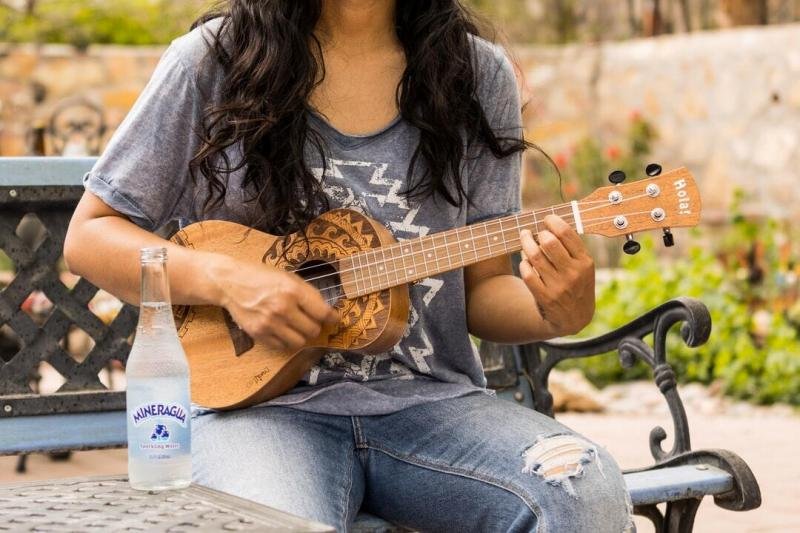
The ukulele is often chosen because it’s small, light, and easy to learn. It only has four strings, which makes it less complicated than other string instruments. Beginners usually find chord transitions easier.
The nylon strings are soft on the fingers. Ukulele songs often have simple structures and cheerful rhythms. It’s perfect for both solo play and group jams.
Tuning is simple, and many tutorials are available for beginners. It’s also one of the more affordable options for starters. Ukulele brings quick results, which keeps beginners motivated.
5. Drums
Drums are ideal for learners who enjoy rhythm and movement. It builds a strong sense of timing, which is useful across all instruments. Beginners can start with a basic drum pad or a small set.
Playing drums is also a great physical workout. It improves coordination between hands and feet. Rhythm patterns can be picked up through simple practice routines.
Drumming encourages active listening, especially in group settings. It’s a fun way to release energy while learning music structure.
6. Flute
The flute is one of the most beginner-friendly wind instruments. It’s lightweight and easy to carry. Beginners can produce clear notes with simple breath control.
Learning finger placement and scales is key in early stages. The flute helps improve lung capacity and breath control. It also encourages good posture and hand positioning.
Many school music programs start students with flutes. It fits well in orchestras, bands, or solo performances.
7. Keyboard
The keyboard is similar to the piano but offers more flexibility. It’s usually lighter and may come with learning features. Beginners can practice the same finger exercises and scales.
Many models allow headphones, which helps with silent practice. Keyboards often include rhythm tracks that make learning more fun. They also support multiple instrument sounds.
Practicing on a keyboard builds musical theory and finger strength. It’s suitable for all age groups. Beginners can enjoy fast progress without needing much setup space.
8. Recorder
The recorder is a basic wind instrument often introduced in schools. It’s inexpensive and easy to handle. Beginners can learn basic notes quickly.
Breath control and finger coordination are the main skills needed. It’s a good entry point to more complex wind instruments. The recorder teaches reading music and tone control early.
It’s also useful for understanding melody. Practice songs are usually simple and familiar. Many students begin with the recorder before moving on to other instruments like flutes or even Tubas.
9. Bass Guitar
The bass guitar focuses on rhythm and groove. It usually has four strings, which makes it less complex than lead guitars. Beginners often start by learning root notes and basic patterns. It’s essential in bands and supports the overall sound.
Bass builds a good ear for timing and song structure. Playing it also helps with finger strength and accuracy. It’s a slower-paced instrument, which some beginners find easier.
Many practice exercises are repetitive, helping reinforce muscle memory. It’s a solid choice for those who want to be part of group music.
10. Cajón
The cajón is a box drum that’s played by sitting on it and striking the front face. It’s popular in acoustic and street performances. Beginners find it easy to learn basic rhythm patterns. There’s no need for extra tools or sticks.
Hand coordination improves quickly with regular practice. The sound can be adjusted by hand position. Cajón playing builds timing and dynamic control. It’s also very portable and requires no tuning.
11. Harmonica
The harmonica is small, affordable, and great for learning melody and breath control. It’s used in blues, folk, and rock music. Beginners can produce sound right away without much instruction.
Simple songs can be played within the first week. It improves lung strength and control. Learning scales and patterns trains the ear. Harmonicas don’t require tuning or maintenance. It fits easily in a pocket and can be practiced anywhere.
Discover Top Musical Instruments for Beginners
Picking the right beginner instrument helps you stay motivated and improve faster. You don’t need to be perfect, just consistent. Every option in this list can get you started with real progress.
Some teach rhythm, others melody, but all build musical skill. Choose one that fits your interest and keep practicing. Music gets easier with time.
For more informative facts, head to our blog!