

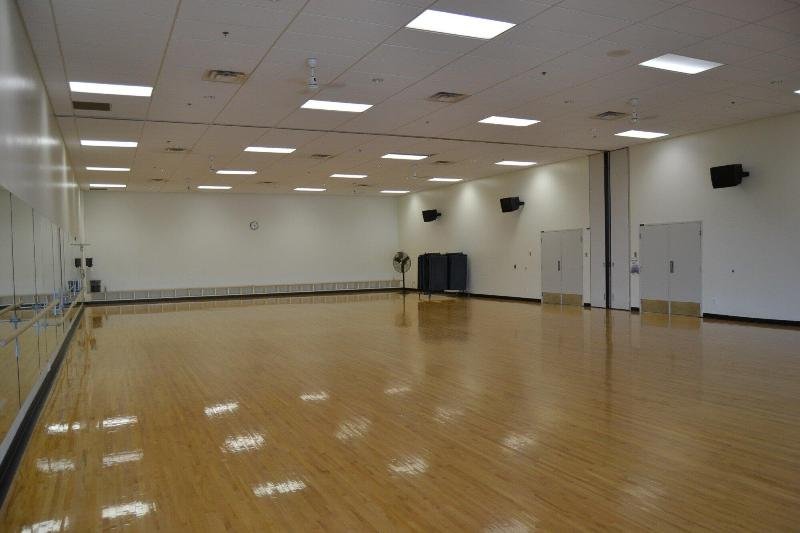
Dancers need more than just talent to perform well, they need the right flooring, too. Have you ever wondered what makes a dance floor safe, stylish, and supportive for high-level performances?
A good dance floor is built with care, using specific materials and techniques that keep dancers protected while helping them move with confidence and grace. Whether in a ballet studio or a modern stage, the floor underneath matters. Let’s explore the key elements that make high-performance dance floors both safe and stylish.
Shock Absorption for Injury Prevention
Shock absorption is one of the most important features of a quality dance floor. It helps protect dancers from stress on their joints, especially during jumps and fast movements. Without it, dancers can suffer from knee, ankle, and back pain over time. A good floor absorbs the impact and reduces the risk of injuries.
The right balance in cushioning is key. Too much bounce can cause instability, while too little can lead to fatigue. Professional floors use advanced foam or rubber pads beneath the surface. These layers work like a buffer, softening the blow when a dancer lands.
Dance floors with proper shock absorption not only protect but also help dancers feel secure. They can move freely, knowing the floor will support their every step.
Surface Finish and Traction Control
A dancer’s grip on the floor must be just right. Too slippery, and there’s a risk of falling. Too sticky, and it can cause strain or sudden stops. This balance is achieved through special surface finishes made for different dance styles.
For ballet and modern dance, a smooth but controlled surface is ideal. Hip-hop and tap dancers may need something slightly firmer for better feedback. Manufacturers carefully design floor textures to meet these needs. They use vinyl or wood coatings with non-slip treatments to improve safety.
Cleanliness also affects grip. Dust or moisture can change how a floor feels. That’s why regular cleaning and maintenance are part of traction control.
Proper Subfloor Design for Performance
What’s under the top layer of a dance floor matters just as much as the visible surface. The subfloor is the layer that provides support and flexibility. A well-designed subfloor makes dancing more comfortable and helps prevent injuries.
Sprung subfloors are often used in studios and theaters. These floors bend slightly when stepped on, returning energy to the dancer. This helps reduce stress on the legs and back. Sprung systems usually involve wooden battens, rubber blocks, or foam that create a soft and flexible base.
This base layer can also help with sound control and floor vibration, especially useful in tap or jazz dance. The goal is to create a space that feels stable yet responsive. Connor Sports dance flooring, for instance, offers advanced systems that feature expertly crafted subfloors tailored for high performance.
Without a strong subfloor, even the best surface layer can feel hard or unsafe. That’s why thoughtful subfloor construction is essential for a complete dance experience.
Top Materials for Dance Flooring
Materials used in dance floors vary depending on the style of dance and location. Common top-layer materials include hardwood and vinyl, each with its own benefits. The right choice depends on the performance needs and design goals of the studio or venue.
Hardwood is popular in ballet and ballroom settings. It provides a classic look and durable surface that responds well to movement. Maple, for instance, is often chosen for its smooth grain and long life. It offers just enough resistance while allowing elegant glides and turns.
Vinyl flooring, also known as Marley, is used in many modern and multipurpose studios. It’s flexible, easy to maintain, and can be rolled out over different subfloors. Vinyl surfaces can be tailored for grip and softness, making them great for jazz, hip-hop, and contemporary dance.
Both materials come in many styles and colors, letting studio owners match the space’s look while maintaining safety. Quality materials help floors last longer and offer better performance for years to come.
Installation Techniques That Enhance Safety
Installing a dance floor isn’t just about laying boards or rolling out vinyl. The process needs to be done with precision and care to ensure the floor is both safe and long-lasting. A well-installed floor can support dancers through years of training and shows.
The first step is preparing the subfloor. This base must be level, clean, and dry before any flooring is added. Then, layers like padding, vapor barriers, or sound-absorbing materials are installed depending on the space’s needs. These layers add comfort and durability.
When placing the surface layer, whether it’s hardwood or vinyl, it must be fitted tightly and evenly. Any gaps or bumps can be dangerous. Flooring should also be secured in a way that allows some flexibility but avoids shifting.
Professional installation is highly recommended. Experts know how to adjust for room conditions, including humidity and temperature. Proper installation not only improves safety but also extends the life of the flooring system.
Aesthetic Appeal and Custom Options
While safety is key, the look of the floor also matters in performance spaces. Dancers and audiences alike appreciate a space that looks polished and professional. The good news is that high-performance floors can also be beautiful and stylish.
Many dance floors come in a variety of finishes, patterns, and colors. Studios can match the floor to their brand or performance theme. For stage use, black or dark-gray vinyl offers a neutral, glare-free surface. In dance schools, lighter wood tones create a warm and welcoming look.
Some flooring systems also offer modular designs, allowing for temporary installations or changes. This is ideal for touring companies or events in multipurpose spaces. Custom printed designs or logos can also be added for a personal touch.
A well-designed floor shows attention to detail. It communicates professionalism and care. When a space feels visually appealing, dancers feel more inspired to perform at their best.
The Right Dance Floor Supports Every Step
A high-performance dance floor combines safety, support, and beauty. It protects dancers while helping them move confidently, whether they’re in training or giving their all on stage. Key features like shock absorption, proper traction, and smart construction make a huge difference in how dancers perform and stay injury-free.
From quality materials to thoughtful installation, every layer of the floor plays a role. Stylish design is a bonus that adds character to the space. By investing in the right flooring system, studios and theaters create a better future for their dancers.
Looking for more tips and ideas? Explore our blog to read other articles.
