
Introduction
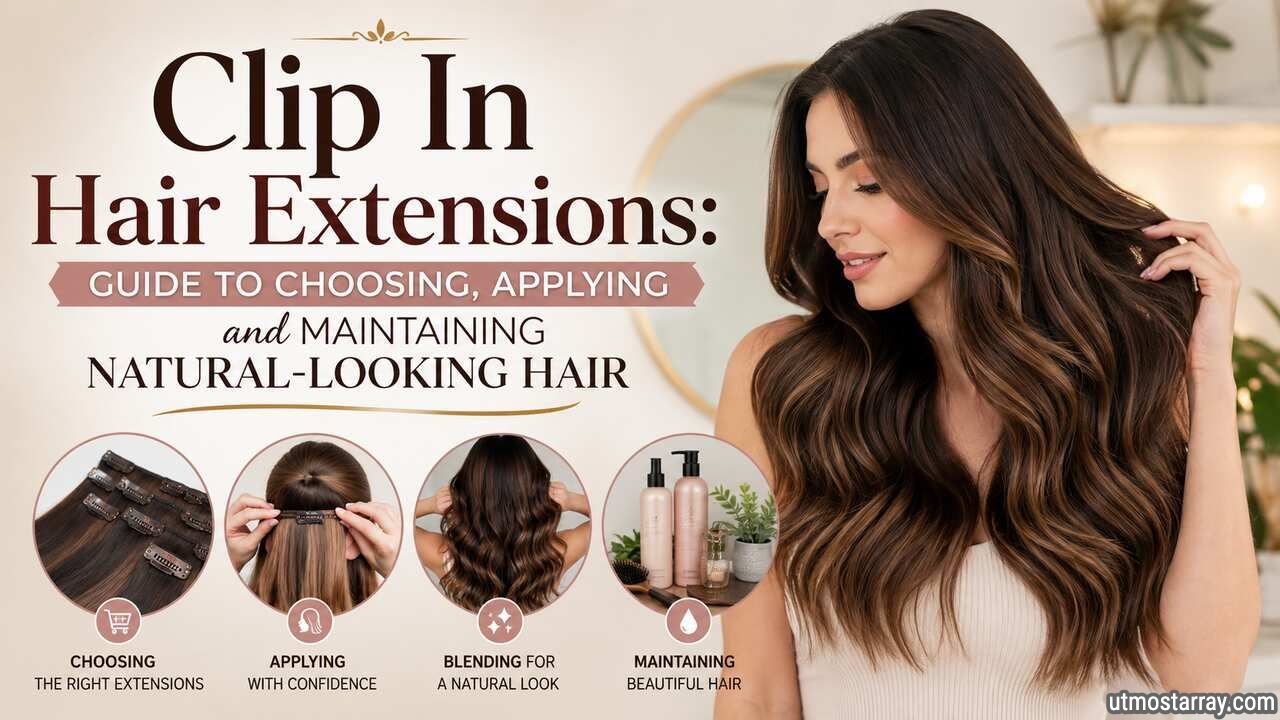
Clip in hair extensions have become one of the most popular solutions for adding instant length, volume, and styling flexibility without the long-term commitment of permanent extension methods. They allow users to transform their hairstyle within minutes while maintaining full control over when the extensions are worn and removed. Whether the goal is creating fuller everyday hair, achieving a special-event look, or experimenting with different lengths, clip in hair extensions offer a practical and versatile option.
The effectiveness of clip in hair extensions depends on selecting the right hair type, matching color accurately, applying the wefts correctly, and maintaining the extensions properly. Understanding these factors helps create a seamless appearance that blends naturally with existing hair while maximizing durability and comfort.
Determine the Right Hair Type Before Purchasing Extensions
Choosing the correct hair type is the foundation of successful clip in hair extensions. Most products are available in either human hair or synthetic hair. Human hair extensions provide the most natural appearance, can be heat-styled, and typically last longer with proper care. Synthetic extensions are usually more affordable but may have limitations regarding heat styling and longevity.
Hair texture is equally important. Straight hair blends best with straight extensions, while wavy or curly hair requires a texture that closely matches the natural pattern. Mismatched textures often create visible separation between the natural hair and extension wefts, reducing the overall realism of the hairstyle.
Hair density also affects the final result. Individuals with fine hair often benefit from lightweight sets that avoid placing excessive stress on the scalp. Those with medium or thick hair generally require fuller extension sets to achieve a balanced and natural blend. Matching density prevents extensions from appearing either too bulky or too sparse.
Hair Type Comparison
| Feature | Human Hair | Synthetic Hair |
|---|---|---|
| Natural Appearance | Excellent | Good |
| Heat Styling | Yes | Limited |
| Lifespan | Long | Moderate |
| Color Flexibility | Can be toned or dyed | Usually fixed |
| Cost | Higher | Lower |
| Maintenance | Moderate | Low to Moderate |
| Styling Versatility | High | Limited |
Measure Hair Length and Volume Requirements Accurately
Before purchasing clip in hair extensions, determine the desired length and volume increase. Many buyers focus only on length, but volume often has a greater impact on the final appearance.
Measuring current hair length helps identify the most suitable extension size. Extensions that are dramatically longer than natural hair can be challenging to blend. A gradual increase typically creates a more realistic transition and improves styling flexibility.
Weight is another important factor. Extension sets are commonly sold by grams rather than just length. Lightweight sets may enhance volume for fine hair, while heavier sets are often needed to achieve noticeable fullness for thicker hair. Understanding the relationship between weight and density prevents disappointment after installation.
Considering lifestyle needs also helps narrow the selection. Everyday wearers may prioritize comfort and natural movement, while occasional users may focus on achieving maximum length or dramatic styling effects for events and photography.
Match Hair Color for a Seamless Blend
Color matching is one of the most important factors affecting the appearance of clip in hair extensions. Even premium extensions can appear artificial when the shade differs noticeably from the natural hair.
The best approach is matching the extensions to the mid-lengths and ends rather than the roots. Root shades often vary naturally due to growth, coloring techniques, or environmental exposure. Matching the visible lengths creates a smoother overall transition.
Multi-dimensional shades often provide the most realistic results. Hair naturally contains highlights, lowlights, and subtle tonal variations. Extensions with multiple tones mimic this complexity and blend more naturally than single-process colors.
Lighting conditions should also be considered during color selection. Indoor lighting, natural daylight, and photography lighting can alter color perception. Evaluating potential matches under multiple light sources helps avoid unexpected differences after purchase.
Common Color Categories
| Category | Typical Shades | Best For |
|---|---|---|
| Black | Jet Black, Soft Black | Dark natural hair |
| Brown | Dark Brown, Medium Brown, Chocolate | Most natural brunettes |
| Blonde | Ash Blonde, Golden Blonde, Platinum | Light hair colors |
| Red | Auburn, Copper, Burgundy | Warm-toned hair |
| Balayage | Multi-tonal blends | Highlighted hair |
| Ombre | Dark roots with lighter ends | Fashion-forward styles |
Section Hair Properly Before Installing Extensions
Proper sectioning significantly improves comfort, security, and blending. Many application issues originate from rushed or uneven sectioning rather than the extensions themselves.
Begin at the nape of the neck and work upward in horizontal sections. This method distributes the extension weight evenly across the scalp and creates a balanced foundation for the hairstyle. Clean, straight partings help clips sit securely against the hair.
Backcombing lightly at the roots can provide additional grip, particularly for individuals with fine or silky hair. This technique creates a stable base that reduces slipping throughout the day without causing significant damage when performed gently.
Spacing between wefts should remain consistent. Overcrowding multiple pieces in a small area can create unnecessary tension and visible bulk, while excessive spacing may result in gaps that reveal the extension attachment points.
Secure the Clips Without Creating Excess Tension
Correct clip placement is essential for comfort and scalp health. Each clip should hold firmly while avoiding excessive pulling on the natural hair.
Open each clip completely before positioning it against the prepared section. Pressing the clip into the hair and snapping it shut creates a secure attachment point. The extension should feel stable without causing discomfort.
The distribution of weight across multiple wefts helps reduce strain on individual areas. Concentrating too much weight in one section may lead to irritation or discomfort during extended wear.
Movement testing is a useful step after installation. Gently shake the head, turn side to side, and run fingers through the hair. Securely installed extensions remain comfortable and hidden while allowing natural movement.
Blend Extensions Naturally With Layering Techniques
Blending is the process that transforms clip in hair extensions from visible accessories into a seamless enhancement of natural hair. Proper blending creates consistency in length, texture, and movement.
Layered haircuts generally blend more easily because the natural graduation softens transitions between hair lengths. Individuals with blunt cuts may benefit from professional trimming of the extensions to create a more cohesive appearance.
Curling or waving both the natural hair and extensions together often enhances blending. Shared texture helps merge the two hair sources into a unified style, making attachment points less noticeable.
Face-framing areas deserve particular attention. Extensions placed too close to the hairline may become visible, while strategic placement slightly farther back creates a more natural result. The goal is maintaining volume while preserving realistic hair growth patterns.
Style Extensions for Everyday and Special Occasions
Clip in hair extensions offer exceptional styling flexibility. They can be incorporated into casual, professional, and formal hairstyles while providing additional volume and structure.
For everyday wear, loose waves remain one of the most popular options because they blend naturally and add movement. Straight styles also work well when the extension texture matches the natural hair precisely.
Special occasions often involve more elaborate styling. Bridal hairstyles, glamorous curls, half-up designs, and voluminous ponytails all benefit from the added density provided by clip in extensions. The extra hair allows stylists to create fuller, more dramatic shapes.
Braids are another effective use of extensions. Increased thickness enhances the appearance of fishtail braids, Dutch braids, and romantic braided updos. The resulting styles often appear more substantial and intricate than those created with natural hair alone.
Protect Hair and Extensions During Heat Styling
Heat tools can enhance styling possibilities, but improper use may shorten the lifespan of both natural hair and extensions. Protective practices preserve quality while maintaining appearance.
A heat protectant should be applied before using curling irons, flat irons, or blow dryers. This protective barrier reduces moisture loss and minimizes cuticle damage. Consistent protection is especially important for human hair extensions.
Temperature control matters significantly. Excessive heat can dry the hair, weaken strands, and reduce shine over time. Moderate temperatures generally achieve effective styling while limiting unnecessary stress.
Limiting repetitive heat exposure extends longevity. Hairstyles that maintain shape for multiple days reduce the frequency of heat styling and help preserve the condition of the extensions.
Clean Extensions Using Appropriate Washing Methods
Regular cleaning removes product buildup, environmental residue, and oils that can affect appearance and performance. However, overwashing can unnecessarily shorten extension lifespan.
Before washing, gently detangle the extensions from ends to roots using a suitable brush or wide-tooth comb. This minimizes breakage and prepares the hair for cleansing.
Sulfate-free shampoos are often preferred because they cleanse effectively while preserving moisture. Hydrating conditioners help maintain softness, manageability, and shine. Applying conditioner primarily to mid-lengths and ends prevents unnecessary residue near the clips.
Air drying is generally the gentlest option. Allowing the extensions to dry naturally helps preserve hair integrity and reduces cumulative heat exposure. Once fully dry, they can be styled as desired.
Store Extensions Correctly Between Uses
Proper storage plays a major role in maintaining quality and extending product life. Poor storage conditions often lead to tangling, matting, and unnecessary wear.
Extensions should be brushed gently before storage to remove tangles and maintain alignment. Storing tangled hair increases the difficulty of future maintenance and may contribute to shedding.
A dedicated storage bag, box, or hanger helps protect the hair from dust, moisture, and friction. Organized storage also preserves the shape of the wefts and prevents clips from becoming bent or damaged.
Temperature and humidity should be considered as well. Cool, dry environments support long-term preservation, while excessive moisture may affect texture and overall condition.
Maintain Long-Term Quality Through Routine Care
Consistent maintenance significantly influences how long clip in hair extensions remain attractive and functional. High-quality extensions can provide extended performance when cared for correctly.
Daily detangling helps prevent knots from developing into severe tangles. Starting at the ends and working upward reduces stress on individual strands and minimizes shedding.
Product selection also affects longevity. Lightweight, moisturizing products generally support softness without causing excessive buildup. Heavy products may accumulate over time and require more frequent washing.
Periodic inspections of clips and stitching help identify minor issues before they become major problems. Tight, secure clips improve reliability and ensure the extensions remain comfortable throughout use.
Maintenance Schedule
| Task | Frequency |
|---|---|
| Light Brushing | After Every Use |
| Deep Detangling | Weekly |
| Washing | Every 15–30 Wears |
| Conditioning | After Washing |
| Clip Inspection | Monthly |
| Storage Review | After Every Use |
Avoid Common Application and Care Mistakes
Many extension-related problems can be avoided through awareness of common mistakes. Small errors often accumulate and affect appearance, comfort, or durability.
Installing extensions too close to the hairline is a frequent issue. Visible clips can draw attention and reduce the natural appearance of the hairstyle. Strategic placement helps maintain discretion.
Using excessive product is another common concern. Heavy oils, sprays, and styling products can weigh down the hair and create buildup. Balanced product use preserves movement and shine.
Neglecting detangling routines increases the likelihood of knots and breakage. Gentle, consistent maintenance requires less effort than correcting severe tangling later.
Sleeping while wearing clip in extensions is generally discouraged. Removing them before bed reduces friction, prevents unnecessary tension, and helps preserve both the natural hair and extension quality.
Create Hairstyles That Maximize Extension Benefits
The versatility of clip in hair extensions allows users to experiment with a wide variety of hairstyles while enhancing volume and length.
Voluminous blowouts benefit from the additional density provided by extensions. The fuller silhouette creates a polished appearance suitable for professional environments and social events.
High ponytails can achieve greater fullness when extension placement is planned strategically. Hidden wefts contribute volume while maintaining a natural finish.
Half-up styles remain popular because they showcase length while providing lift around the crown. Extensions help create balance and structure that may be difficult to achieve with natural hair alone.
Elegant updos also benefit from added hair density. Chignons, twisted buns, and formal event styles often appear larger and more refined when supported by clip in extensions.
Choose Quality Features That Improve Performance
Not all clip in hair extensions are created equally. Evaluating construction quality helps identify products that deliver better comfort, durability, and appearance.
Strong clip mechanisms provide secure attachment while reducing the risk of slipping. Silicone-lined clips often improve grip and comfort for various hair types.
Double-drawn hair is frequently associated with fuller ends because shorter strands are removed during manufacturing. This creates consistent density from top to bottom and contributes to a luxurious appearance.
Weft construction affects both durability and concealment. Thin, flexible wefts often lie flatter against the scalp, making them easier to hide beneath natural hair while maintaining comfort during extended wear.
Investing in higher-quality construction frequently results in better blending, reduced tangling, and longer service life, making the purchase more cost-effective over time.
Conclusion
Clip in hair extensions provide a practical and versatile solution for enhancing length, volume, and styling options without permanent commitment. Success depends on selecting the correct hair type, matching color accurately, applying the wefts properly, and following consistent maintenance practices. From everyday volume enhancement to special-event transformations, clip in hair extensions offer flexibility that suits a wide range of hair goals. By focusing on quality products, proper installation techniques, and routine care, users can achieve natural-looking results while extending the lifespan of their extensions.
FAQs
How long do clip in hair extensions last?
Human hair clip in extensions can last from several months to over a year with proper care, while synthetic options generally have a shorter lifespan.
Can clip in hair extensions damage natural hair?
When installed and removed correctly, clip in extensions are considered one of the least damaging extension methods. Excessive tension or improper removal can increase the risk of breakage.
Can I curl or straighten clip in hair extensions?
Human hair extensions can usually be curled or straightened using heat tools. Synthetic extensions may have limitations depending on the material used.
How often should clip in hair extensions be washed?
Most users wash them after approximately 15 to 30 wears, depending on product use, environmental exposure, and styling frequency.
Are clip in hair extensions suitable for thin hair?
Yes. Lightweight sets designed for fine hair can add volume without placing excessive stress on the scalp or creating noticeable bulk.
Can I wear clip in hair extensions every day?
Many people wear them daily. Proper installation, regular maintenance, and removing them before sleeping help maintain both extension quality and natural hair health.