

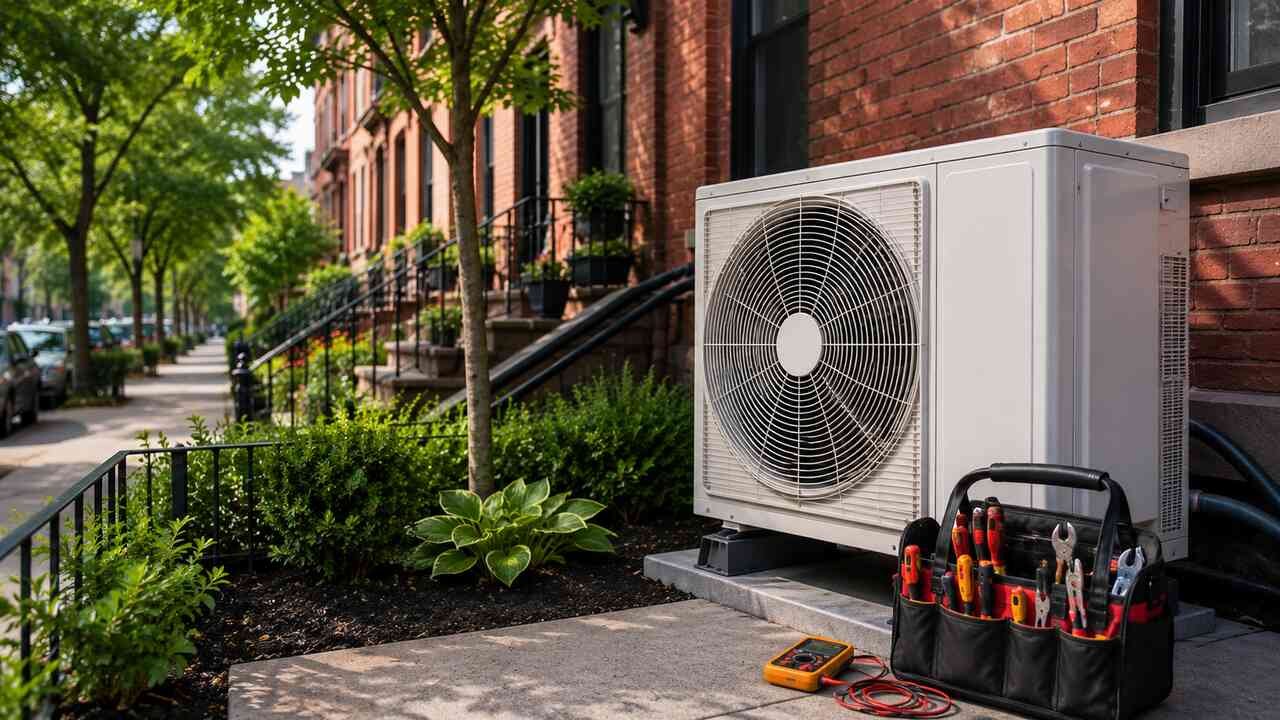
Heat pumps have become a popular heating solution for many Brooklyn homeowners because they provide reliable comfort while helping improve energy efficiency throughout the year. However, colder weather can sometimes expose hidden problems that reduce performance and leave homes feeling uncomfortable. Homeowners dealing with a heat pump not heating Bay Ridge, Brooklyn issue often notice weak airflow, inconsistent room temperatures, or higher heating bills before the system stops working properly altogether.
The good news is that many heat pump problems start with small warning signs that can often be identified early. Understanding how these systems work and recognising common issues can help homeowners avoid unnecessary stress, expensive repairs, and uncomfortable indoor conditions during winter.
How Heat Pumps Work During Cold Weather
Unlike traditional furnaces that generate heat through combustion, heat pumps transfer heat from outdoor air into the home. Even during cold weather, outdoor air still contains heat energy that the system can capture and circulate indoors.
Because of this process, heat pumps usually deliver a gentler type of warmth compared to gas heating systems. Some homeowners mistakenly believe the system is failing because the air does not feel extremely hot coming from the vents. In reality, moderate warm airflow is completely normal for many heat pumps.
However, when airflow becomes cold or rooms never reach the desired temperature, there may be an issue requiring attention.
Common Misunderstandings About Heat Pumps
Many winter service calls happen because homeowners are unfamiliar with normal heat pump operation. A few common examples include:
- The outdoor unit occasionally frosting over
- The system running for longer periods during freezing weather
- Short defrost cycles activating automatically
- Air feeling mildly warm rather than hot
Understanding these behaviours helps homeowners distinguish between normal operation and genuine performance issues.
Signs Your Heat Pump Is Not Heating Properly
Heat pump issues rarely appear suddenly without warning. Most systems show early signs that performance is beginning to decline.
Common warning signs include:
- Rooms feeling colder than usual
- Uneven temperatures throughout the property
- Weak airflow from vents
- Constant system operation without reaching target temperatures
- Sudden increases in energy costs
- Ice forming heavily on the outdoor unit
- Strange noises such as rattling or buzzing
- Musty or burning smells
Ignoring these symptoms can place additional strain on the system, which may eventually shorten equipment lifespan and increase repair costs.
Check Your Thermostat Settings First
Before assuming the heat pump itself has failed, it is important to check the thermostat carefully. Surprisingly, many heating issues result from simple thermostat settings or minor control problems.
Start by checking:
- The thermostat is set to “heat” mode
- The temperature setting is higher than room temperature
- Batteries are functioning properly
- Programmed schedules have not changed accidentally
- Wi-Fi-connected smart thermostats remain synced correctly
Small configuration errors can prevent the system from operating efficiently.
Thermostat Placement Can Also Affect Performance
Thermostat location plays a major role in indoor comfort. If the thermostat sits near windows, direct sunlight, kitchens, or draughty areas, it may misread indoor temperatures and cause heating inconsistencies.
Relocating poorly placed thermostats can sometimes improve overall system performance significantly.
Dirty Filters and Blocked Airflow Can Reduce Heating
Restricted airflow is one of the most common causes of poor heating performance. When filters become clogged with dust and debris, the heat pump must work much harder to circulate warm air effectively.
Over time, this added strain can reduce efficiency and increase energy consumption.
Homeowners should inspect filters regularly, especially during winter when systems operate more frequently. In many homes, filters should be replaced every one to three months depending on indoor air quality, pets, and overall usage.
Blocked airflow can also result from:
- Closed or obstructed vents
- Furniture covering air returns
- Dust buildup inside vents
- Dirty indoor coils
Maintaining proper airflow helps the entire system operate more efficiently while improving indoor comfort.
Outdoor Unit Problems That Affect Heating Performance
The outdoor unit plays a critical role in heat pump performance. If airflow around the unit becomes restricted, heating efficiency may drop considerably.
Winter conditions often create problems such as:
- Snow accumulation around the unit
- Ice blocking airflow
- Leaves and debris buildup
- Frozen coils
- Damaged fan blades
Keeping the outdoor unit clear and unobstructed helps maintain proper operation throughout colder months.
When Ice Build-Up Becomes a Serious Problem
A light layer of frost on the outdoor unit is usually normal during winter. Heat pumps automatically enter defrost mode periodically to remove frost accumulation.
However, thick ice covering the entire unit may indicate a problem such as:
- Faulty defrost controls
- Refrigerant leaks
- Restricted airflow
- Damaged sensors
Heavy ice buildup should not be ignored because it can reduce heating performance and potentially damage system components over time.
Electrical and Mechanical Issues to Watch For
Some heat pump problems stem from internal electrical or mechanical failures that require professional inspection.
Common issues include:
- Tripped circuit breakers
- Faulty capacitors
- Compressor problems
- Fan motor failures
- Damaged reversing valves
- Loose electrical connections
These issues often produce symptoms such as unusual noises, short cycling, or complete loss of heating.
Because heat pumps contain complex electrical components, homeowners should avoid attempting advanced repairs themselves. Professional diagnosis helps prevent further damage and ensures safe operation.
Preventative Maintenance Helps Avoid Winter Breakdowns
Regular maintenance remains one of the best ways to keep a heat pump operating efficiently throughout the winter season. Small preventative steps can significantly reduce the risk of unexpected heating failures.
Helpful maintenance habits include:
- Replacing filters regularly
- Cleaning debris around outdoor units
- Scheduling annual HVAC inspections
- Monitoring airflow and temperature consistency
- Checking thermostat settings seasonally
- Keeping vents unobstructed
Routine servicing also allows technicians to identify worn components before they become larger problems.
In many cases, preventative maintenance improves:
- Energy efficiency
- Indoor comfort
- System lifespan
- Heating consistency
- Winter reliability
For Brooklyn homeowners facing cold winters, proactive care often saves both money and frustration over time.
Conclusion
Heat pumps provide dependable heating for many Brooklyn homes, but like any HVAC system, they require proper maintenance and timely troubleshooting to perform efficiently. Small warning signs such as weak airflow, inconsistent temperatures, or unusual noises should never be ignored.
By understanding common heat pump problems and addressing issues early, homeowners can improve comfort, reduce energy costs, and avoid more serious system failures during the coldest months of the year. Regular inspections, clean airflow, and seasonal maintenance all play an important role in keeping heat pumps operating reliably when they are needed most.
