

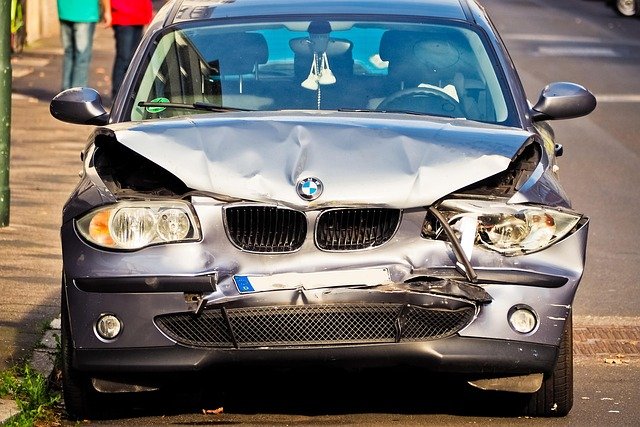
Getting into an accident is one of the most disorienting experiences a person can go through. In those chaotic moments, your mind is racing, your hands might be shaking, and the last thing you’re thinking about is legal strategy. But what you say in the minutes, hours, and days following an accident can have a profound impact on any insurance claim or lawsuit that follows.
Words carry enormous weight in the legal world. Insurance adjusters are trained to listen carefully, and even the most innocent remark can be twisted into something that undermines your case. Before you find yourself saying something you’ll regret, here are nine things you should never say after an accident.
1. “I’m Sorry”
“Apologizing feels like the natural, human thing to do. But saying “I’m sorry” at the scene of an accident can be interpreted as an admission of fault, even if you were not responsible for what happened,” explain Justin Chopin, a personal injury lawyer.
Insurance companies and opposing attorneys can use an apology against you in ways that are difficult to walk back. It’s better to stay calm, check on others, and let the facts speak for themselves rather than your emotions.
2. “I Think What Happened Was…”
Speculating about the cause of the accident is a serious mistake many people make without realizing it. In the immediate aftermath, you simply do not have all the facts needed to draw conclusions.
Anything you speculate about can become part of the official record. Let investigators, police officers, and accident reconstruction experts determine the cause. Your job is to report what you experienced, not to theorize about what led to the crash.
3. “I’m Fine” or “I Don’t Feel Hurt”
Adrenaline is a powerful thing. Right after an accident, your body is flooded with it, which can mask pain and injury symptoms that may not appear for hours or even days afterward.
Telling someone at the scene that you feel fine can later be used to minimize or deny your injury claims. Always seek medical attention after an accident, and never make statements about your physical condition before a doctor has had the chance to evaluate you properly.
4. “It Was Probably My Fault”
This is perhaps the most damaging thing you can say, and yet people say it all the time out of a genuine sense of guilt or politeness. Even partial admissions of fault can significantly reduce or eliminate the compensation you’re entitled to receive.
Fault is a legal determination made after examining all the evidence. Traffic camera footage, witness statements, skid marks, and vehicle damage all play a role. Don’t make that determination yourself at the scene when emotions are running high and the full picture is unclear.
5. “I Didn’t See You”
Saying you didn’t see the other vehicle, pedestrian, or cyclist might seem like an honest statement, but it can imply distraction, inattention, or negligence on your part. These are exactly the kinds of admissions insurers look for.
Even if it’s true, this statement opens the door to arguments that you were not paying proper attention while driving. Stick to factual observations and avoid making comments that could suggest any form of carelessness or distraction behind the wheel.
6. “I Wasn’t Paying Attention”
Similar to the above, admitting any lapse in concentration is something that will almost certainly be used against you. Whether you were momentarily distracted by your radio, a passenger, or simply lost in thought, saying so is legally risky.
This kind of statement is extremely difficult to retract once it’s made. If an insurance adjuster or attorney asks you questions, it’s perfectly acceptable to say you’d like to consult with a lawyer before making a formal statement. That’s not obstruction — it’s prudent.
7. “I Accept the Settlement”
In the days following an accident, insurance adjusters may contact you quickly with a settlement offer. They’re often motivated to close cases fast, before you fully understand the extent of your injuries or damages.
Never verbally agree to a settlement on the spot. Once you accept, you typically waive your right to pursue additional compensation, even if your medical bills turn out to be far higher than you expected. Always review any settlement offer carefully with a qualified attorney before agreeing to anything.
8. “I’ll Just Handle This Without Involving Insurance”
This is a tempting offer, especially in minor accidents where both parties seem reasonable and cooperative. But agreeing to handle things privately leaves you dangerously exposed if the other party changes their story later.
Without a documented insurance claim, you have little recourse if the other driver denies responsibility or if hidden vehicle damage and injuries surface later on. Always report accidents to your insurance company promptly, regardless of how straightforward the situation seems at the time.
9. “I Posted About It Online”
Sharing about your accident on social media might seem harmless, but it can be one of the most damaging things you do to your claim. Insurance companies routinely monitor claimants’ social media accounts for evidence that contradicts their injury or liability claims.
A photo of you smiling at a party, a check-in at a sporting event, or even a vague status update about “feeling better” can all be taken out of context and used to dispute your injuries. Until your claim is fully resolved, it’s best to stay off social media entirely or avoid posting anything related to your accident, your health, or your daily activities.
Why Your Words Matter More Than You Think
The legal and insurance landscape following an accident is far more complex than most people realize. Every conversation you have — with the other driver, a witness, a police officer, or an insurance adjuster — is potentially part of your case record.
Insurance companies employ teams of professionals whose job is to minimize payouts. They are skilled at using your own words against you, and they count on the fact that most accident victims don’t know their rights or the implications of casual conversation.
What You Should Say Instead
Instead of speculating, admitting fault, or making statements about your health, keep things simple. Exchange contact and insurance information with the other driver. Cooperate with the police and answer factual questions honestly. Tell medical responders about any symptoms you experience, no matter how minor they seem.
Most importantly, contact a personal injury attorney as soon as possible. A good attorney will guide you on what to say, what not to say, and how to protect your rights throughout the claims process. Many offer free consultations, so there’s no reason to navigate this alone.
Final Thoughts
Accidents are overwhelming, and no one expects you to be a legal expert in the moments after a collision. But being aware of these nine common verbal mistakes can make a significant difference in the outcome of your claim.
When in doubt, say less and seek legal counsel early. Your future self will thank you for it.
