
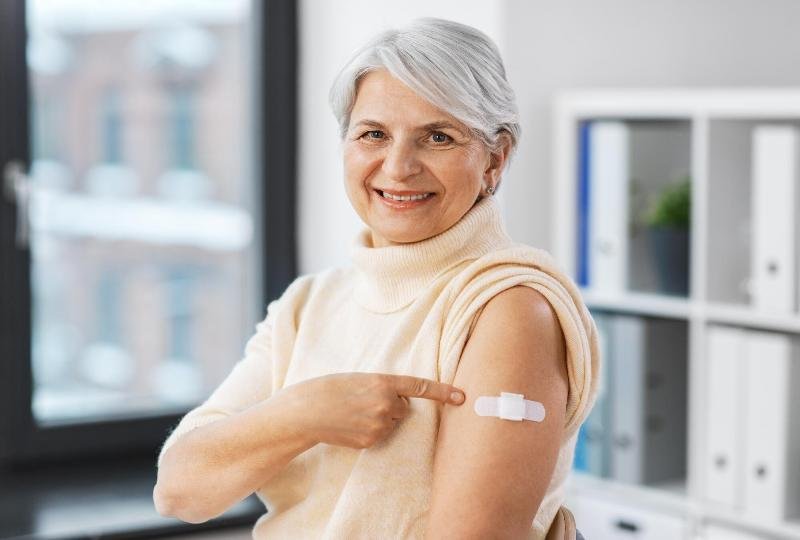
Living a long and healthy life depends on many choices. One of the most important is staying up to date with vaccines. As people age, their bodies become weaker. The immune system does not fight off infections as well as before. Vaccines provide seniors with extra protection against diseases that can lead to serious health issues or extended hospitalizations.
Understanding which vaccines are most relevant can help seniors live with strength, peace of mind, and increased confidence. If you or someone you love is planning for lifelong health, keep reading to see how vaccines can protect the body in later years.
Why Vaccines Are Important for Seniors
Many people believe that vaccines are only for children; however, this is not true. Seniors need them just as much. As the body ages, even a small infection can become dangerous. Illnesses that were once considered mild can lead to serious complications.
Vaccines stop sickness before it starts. They lower the risks that come with age and keep people safer. They also help reduce the spread of disease to family, friends, and neighbors. By staying up to date, seniors protect not only themselves but also the people they care about.
Common Vaccines for Senior Health
There are several vaccines that are very helpful for seniors. The flu shot is needed every year because the flu can be very harmful for older adults. Pneumonia vaccines protect the lungs from infections that could become severe. Tetanus and whooping cough boosters also keep defenses strong.
For many, shingles shots matter in seniors because shingles can cause lasting pain that lowers quality of life. Each vaccine adds an extra layer of safety. Together, they create a strong shield that supports healthy and active living.
Benefits That Go Beyond Protection
Vaccines are not just about avoiding sickness. They also help seniors keep their freedom. By lowering the chance of long recovery times or hospital visits, vaccines allow seniors to enjoy daily life with less worry.
This means more time with family, more days staying active, and fewer limits on daily routines. Many vaccines are covered by insurance or offered in community health programs. This makes them an easy and affordable step toward lifelong wellness.
Talking With a Doctor
Every person is different, and not all vaccine needs are the same. Age, health history, and lifestyle can all play a role. That is why talking with a doctor or healthcare provider is so important.
Doctors can check records, explain the benefits, and create a schedule that fits each person. Asking questions helps seniors feel safe and sure about the choices they make. Being informed builds confidence and helps people take the right steps for their health.
Vaccines as Keys to Healthy Aging
Vaccines give seniors a strong defense against diseases that may limit freedom and well-being. They bring safety, independence, and peace of mind. This allows older adults to focus on the joys of life instead of the risks of illness.
By staying current with vaccines, seniors protect their own health and the health of those around them. If lifelong wellness is the goal, vaccines are one of the most powerful tools to reach it. Expand your knowledge and check out more posts on our blog!