

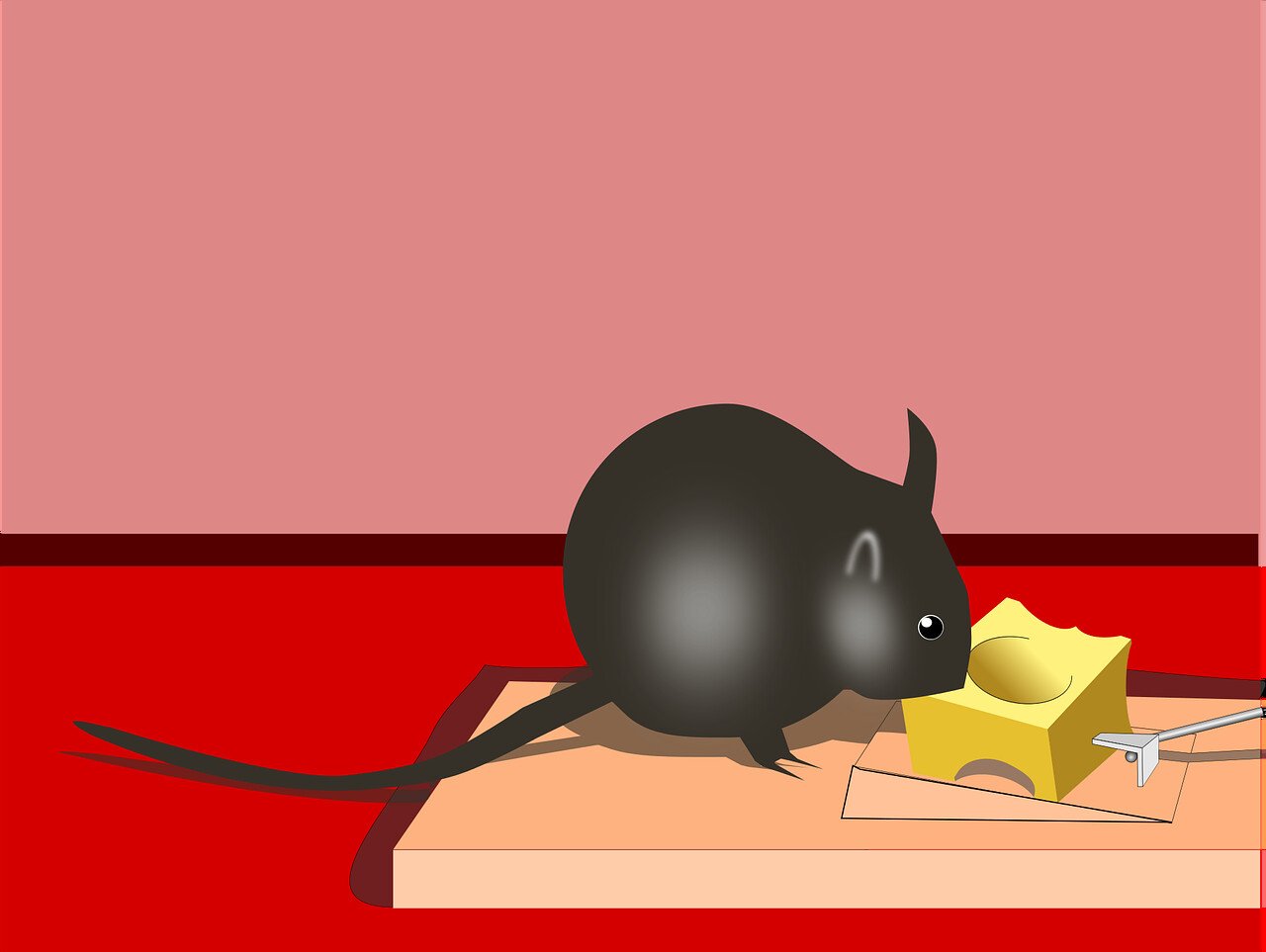
Have you been placing mouse traps but still dealing with unwanted visitors?
You’re not alone. Many homeowners struggle with rodent control, not because of faulty traps but due to improper placement. Mouse traps can be incredibly effective, but their success hinges on one critical factor: where you place them.
Mice are creatures of habit, following predictable patterns and pathways. To successfully intercept their movement, you need a strategic approach to trap placement. This article covers why proper positioning matters and how to identify high-traffic areas in your home to maximize effectiveness. Whether you’re handling a minor issue or a full-blown infestation, these expert tips will help you regain control and keep your home pest-free.
Why Proper Placement of Mouse Traps Is Crucial
Mice are naturally cautious and stick to specific routes to avoid predators. They rarely venture into open spaces and prefer to move along walls, baseboards, and dark corners. This predictable behavior offers an opportunity to strategically position traps where they’re most likely to encounter them.
Key factors influencing trap placement include:
- Safety: Mice feel safer traveling along edges and hidden areas.
- Patterns: Their movement often involves scurrying between hiding spots like furniture, cabinets, and appliances.
- Darkness: They prefer dimly lit or concealed locations, such as basements, attics, or behind large objects.
By aligning trap placement with these behaviors, you can improve your success rate and resolve infestations more quickly.
Best Places to Place Mouse Traps for Maximum Effectiveness
- Along Walls and Baseboards
Mice use their whiskers to navigate along walls, making these areas high-traffic zones.
Pro Tips for Placement:
- Position traps perpendicular to the wall, with the bait end facing the wall, forming a “T” shape.
- Focus on corners where walls meet, as these are common pausing points.
- Look for signs of activity like droppings or smudge marks to pinpoint the best spots.
- Behind Furniture and Appliances
Hidden spaces like those under refrigerators, stoves, or couches are favorite mouse routes.
Ideal Spots Include:
- Under appliances: Crumbs and warmth make these areas irresistible.
- Behind large furniture: Mice often use these as concealed pathways or nesting spots.
- Near Food Sources
Food is a major attractant for mice, making kitchens and pantries prime areas for trap placement.
Key Locations:
- Inside cabinets with food crumbs or droppings.
- Near pet food bowls (ensure traps are inaccessible to pets).
- In Attics, Basements, and Garages
These quiet, cluttered spaces provide ample hiding and nesting opportunities for mice.
Tips for Effective Placement:
- Target cluttered areas, storage boxes, or insulation piles.
- Set traps along beams, baseboards, or near entry points.
- Seal cracks or gaps while placing traps to prevent reinfestation.
How to Identify High-Traffic Mouse Areas
Recognizing where mice are most active is crucial for effective trap placement. Use the following signs to locate their pathways:
- Droppings: Small, pellet-shaped feces near walls, in corners, or around food sources.
- Chewed materials: Shredded packaging, paper, or gnawed wires indicate their presence.
- Grease marks: Dark smudges on walls or baseboards from repeated travel.
Bonus Tip: Use tracking powder (e.g., flour or talcum) near suspected areas to confirm pathways and adjust trap placement accordingly.
Common Mistakes to Avoid
Even the best mouse traps can fail if not used properly. Avoid these pitfalls:
- Placing Traps in Open Spaces: Mice avoid exposed areas; stick to walls, corners, and concealed pathways.
- Overloading Traps with Bait: Use a pea-sized amount of bait like peanut butter or chocolate for better results.
- Neglecting Regular Checks: Monitor traps daily to remove caught mice and refresh bait.
Tips for Enhancing Mouse Trap Efficiency
- Use Multiple Traps
Place traps 2–3 feet apart in high-traffic areas to cover more ground.
- Rotate Trap Locations
Mice can learn to avoid traps. Relocate traps every few days to maintain their effectiveness.
- Choose the Right Bait
Peanut butter, chocolate, and nuts are highly attractive to mice. Avoid using excessive amounts and refresh bait regularly.
When to Call a Professional
If your efforts don’t yield results or the infestation worsens, it’s time to seek expert help.
Signs of a Severe Infestation:
- Large numbers of droppings across multiple areas.
- Visible nests made from shredded materials.
- Frequent daytime sightings of mice.
- Persistent activity despite trapping efforts.
Benefits of Professional Pest Control:
- Comprehensive assessment of infestation.
- Advanced tools and extermination techniques.
- Long-term prevention through sealing entry points and expert guidance.
Conclusion:
Effectively managing mice starts with strategic mouse trap placement. By understanding their behavior, identifying high-traffic areas, and avoiding common mistakes, you can successfully eliminate these pests. For severe infestations, don’t hesitate to call a professional to ensure your home remains safe and mouse-free.
Prompt action, persistence, and the right strategies are your keys to a healthier, pest-free home.
