

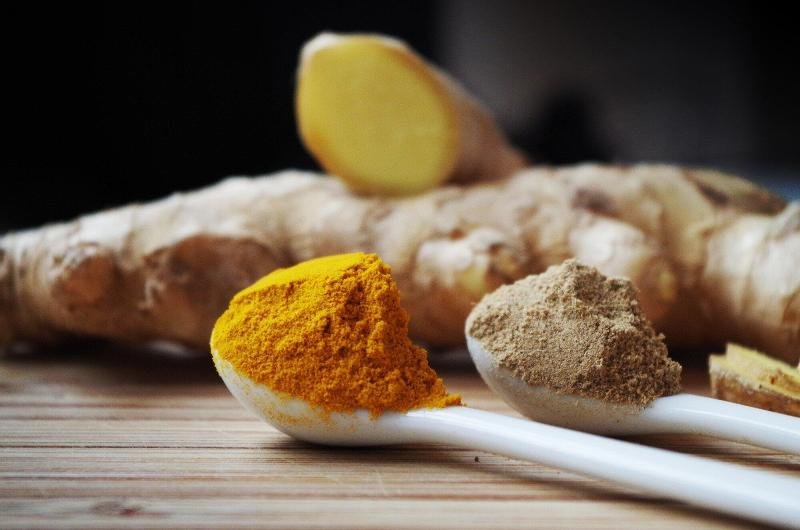
Ginger is one of the most popular spices in the world, known not just for its flavor but also for its numerous benefits to health. People have been using ginger for thousands of years for various medicinal purposes. It’s time to explore the science behind ginger’s incredible role in our wellness.
You might be surprised to learn just how much this humble root can do! From easing stomach problems to boosting your immune system, the health benefits of ginger are plenty.
Let’s dive into the details to understand how ginger fits into a balanced diet and supports overall wellness.
What Is Ginger?
Ginger comes from the root of the plant Zingiber officinale. It is native to Southeast Asia and has a long history of use in both cooking and medicine.
Ginger is recognized for its spicy flavor and aromatic qualities, making it an essential ingredient in many dishes around the world. In addition to its culinary uses, ginger is also celebrated for its potent health benefits.
The Nutritional Profile of Ginger
Ginger is not only a flavorful spice but also a powerhouse of nutrients. It contains vitamins and minerals that contribute to its health benefits. Here are some of the key nutrients found in ginger:
Vitamins
Ginger is a good source of essential vitamins, particularly vitamin B6 and vitamin C. Vitamin B6 plays a key role in supporting brain development and proper nervous system function.
Vitamin C, on the other hand, strengthens the immune system and promotes healthy skin. These vitamins also help the body fight infections and repair tissues. Including ginger in your diet can be an easy way to boost your daily vitamin intake.
Minerals
Ginger contains important minerals such as magnesium, potassium, and manganese. Magnesium supports muscle and nerve function, while potassium helps regulate blood pressure.
Manganese plays a role in bone health and metabolism. Together, these minerals ensure that the body’s vital systems function smoothly. Regular consumption of ginger can help contribute to meeting daily mineral needs.
Antioxidants
One of the most powerful aspects of ginger is its high antioxidant content. Antioxidants protect the body from free radicals, which can cause cellular damage over time.
This protection helps reduce the risk of chronic diseases such as heart disease and cancer. Additionally, antioxidants support healthy aging by keeping cells strong and resilient. Ginger’s antioxidant properties make it a valuable addition to a balanced diet.
This nutritional profile makes ginger a valuable addition to a balanced diet, supporting your wellness in various ways.
Health Benefits of Ginger
Ginger is known for several health benefits that can enhance your overall well-being. Let’s explore some of the major advantages:
Digestive Health
One of the most well-known benefits of ginger is its ability to aid digestion. It helps in reducing bloating, gas, and stomach discomfort.
Ginger can speed up the emptying of the stomach, which is beneficial for those who experience indigestion. This ability may make meals more comfortable and keep you feeling your best.
Anti-Inflammatory Properties
Ginger contains powerful anti-inflammatory compounds called gingerols. These compounds can help reduce inflammation in the body, which is linked to several chronic diseases. Eating ginger regularly may lead to a decrease in muscle pain and soreness, making it popular among athletes.
Boosting Immunity
Ginger is often used as a natural remedy to boost the immune system. It has antimicrobial properties that help fight infections and illnesses.
A strong immune system is essential for overall wellness, especially during cold and flu seasons. Incorporating ginger into your diet can help you stay active and healthy.
Blood Sugar Regulation
Several studies suggest that ginger can help regulate blood sugar levels. This can be particularly beneficial for individuals with diabetes or those at risk of developing the condition. Maintaining balanced blood sugar levels is important for energy levels and overall health.
Heart Health
Keeping the heart healthy is vital for living a long and fulfilling life. Ginger may support heart health by improving circulation and reducing cholesterol levels. Ginger can lower LDL cholesterol, known as “bad cholesterol,” which can lead to heart disease when levels are high.
How Ginger Fits into a Balanced Diet
Including ginger in your daily meals is easy. Whether you enjoy it fresh, dried, or as a powder, ginger can add flavor and nutrition to various dishes. Here are some simple ways to incorporate ginger into your meals:
Fresh Ginger Tea
Brew fresh ginger slices in hot water to create a soothing tea. This drink not only warms you up but also helps ease digestion and nausea. Regular consumption can support immune health and overall wellness.
Smoothies
A small piece of fresh ginger blended into a smoothie adds a refreshing zing. It pairs well with fruits like mango, pineapple, or berries. The added ginger provides both flavor and nutritional benefits.
Stir-fries
Adding ginger to stir-fried vegetables or meats enhances the dish with a spicy, aromatic flavor. It complements garlic and soy sauce beautifully. Beyond taste, it boosts the nutritional value of your meal.
Baking
Ground ginger can be incorporated into baked goods such as cookies, muffins, or gingerbread. It provides a warm, slightly spicy flavor that elevates sweet treats. Baked recipes with ginger can be both comforting and health-supportive.
Maintaining a balanced diet that includes ginger can significantly enhance your wellness journey.
Precautions and Considerations
While ginger is generally safe for most people, some may experience side effects such as heartburn or stomach upset if consumed in large amounts. It’s always wise to start with smaller quantities and see how your body reacts.
Pregnant women and individuals taking certain medications should consult a healthcare professional before adding ginger to their diet extensively.
Enhancing Your Health with Ginger
The various health benefits of ginger make it a great addition to your lifestyle. You can improve your health with ginger while supporting your wellness goals.
Remember that a balanced diet consists of various nutrient-rich foods. So, use ginger alongside other fruits, vegetables, whole grains, and proteins for the best physical health results.
Embrace the Power of Ginger
The science behind ginger’s role in wellness reveals its remarkable capabilities. From aiding digestion to enhancing immune function, ginger is a spice that can significantly impact your health. Incorporating this versatile root into a balanced diet may lead to improved overall wellness, making it easier for you to lead an active and fulfilling life.
So why not start adding ginger to your meals today? It could be the simple change you need to benefit greatly.
Check out our other helpful articles on our website.
