

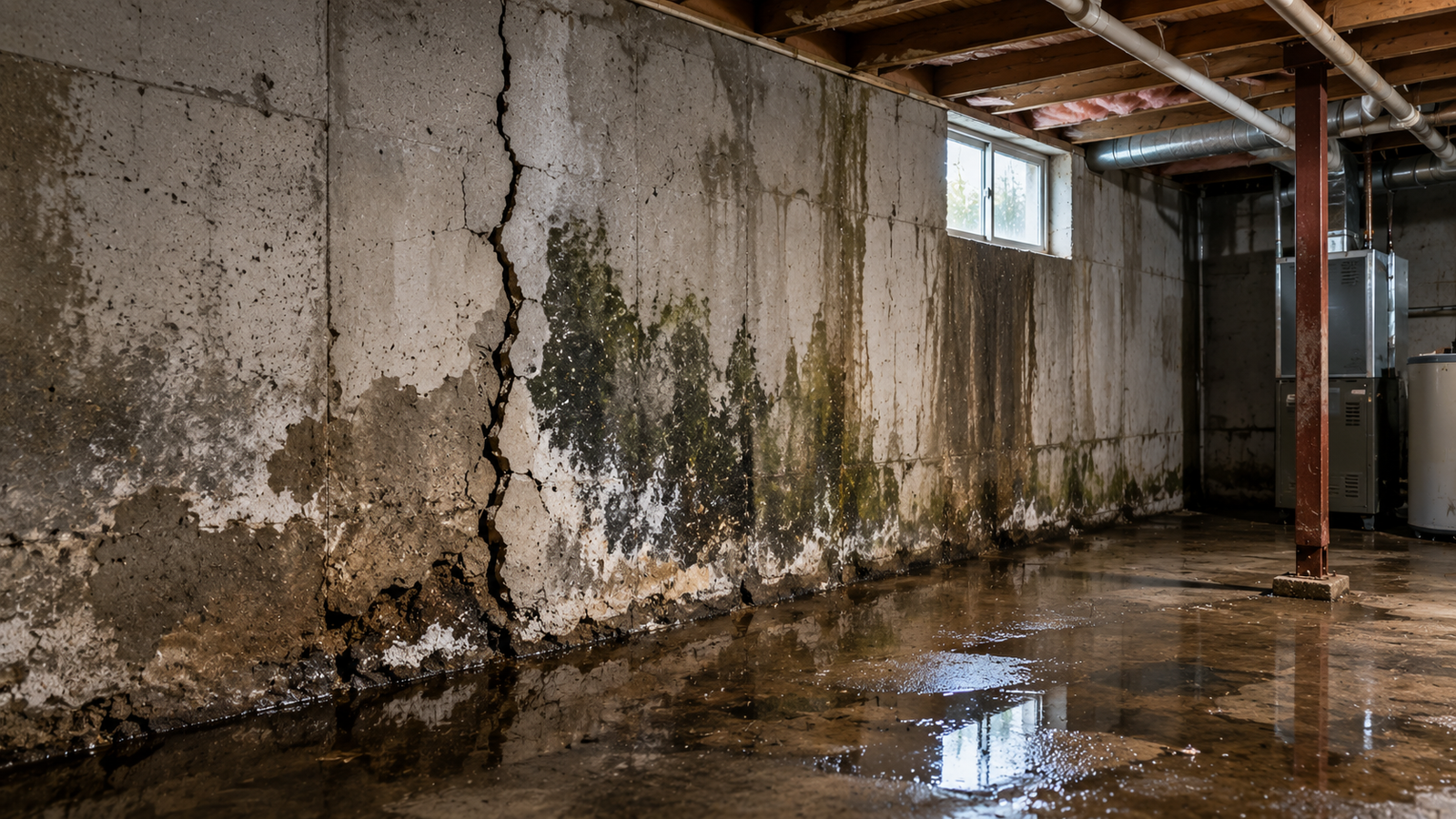
There’s a certain basement smell people pretend not to notice.
Not full swamp exactly. More like damp cardboard mixed with old laundry and forgotten Christmas decorations from 2009. A little earthy. A little stale. The kind of smell that makes you say, “Eh, basements are just like that,” before quickly heading back upstairs.
Sometimes that’s true.
Sometimes it absolutely is not.
Basement moisture has a nasty habit of starting small and turning into something far bigger than homeowners expect. A little condensation becomes recurring dampness. A tiny crack becomes water seepage. And eventually the structure underneath the home starts reacting in ways nobody saw coming.
If you’ve started noticing moisture issues downstairs, resources like acculevel.com/monroe/ can help explain how drainage problems and excess humidity often contribute to foundation damage over time. Companies like Acculevel frequently deal with homeowners who originally dismissed basement moisture because honestly, it didn’t seem serious enough to worry about yet.
That “yet” does a lot of heavy lifting.
Basements Aren’t Supposed to Feel Like Caves
Cool? Sure.
Slightly humid after heavy rain? Maybe occasionally.
But persistent dampness, condensation or musty odors usually signal something deeper happening around the home. Moisture rarely appears without a reason. Water always comes from somewhere.
And unfortunately, water is patient.
I remember helping a friend move furniture into his basement apartment years ago during the middle of July. Within ten minutes my shirt felt damp from the air alone. The whole basement had this clammy atmosphere like a reptile exhibit at the zoo. He laughed it off at first, but months later visible cracks started forming near the lower wall corners after repeated storms.
Turns out the moisture problem had been warning him long before the cracks showed up.
Homes whisper first. That’s usually how it begins.
Water Changes Soil Beneath the Home
Most people don’t think about the dirt underneath their house. Which is fair honestly. Soil doesn’t exactly dominate casual dinner conversation unless someone’s uncle gets unexpectedly passionate about drainage systems after two beers.
But soil movement plays a huge role in foundation stability.
When water accumulates around the foundation, surrounding soil absorbs moisture and expands. During dry periods it contracts again. That constant swelling and shrinking creates stress underneath the structure over time.
Foundations prefer stability. Calm predictable support.
Nature provides absolutely none of that.
Clay heavy soil especially behaves dramatically. One week after heavy rain it expands like bread dough. Then summer heat arrives and it shrinks enough to create uneven support beneath portions of the foundation.
That movement eventually affects the entire house above it.
Basement Moisture Rarely Stays Isolated
This surprises homeowners constantly.
People think moisture problems stay confined to the basement itself, but homes are interconnected systems. Humidity travels upward. Structural stress spreads. Water intrusion affects far more than the immediate damp area.
You may eventually notice:
- Uneven flooring upstairs
- Sticking doors and windows
- Cracks near ceilings or walls
- Musty odors throughout the home
- Increased allergy symptoms
- Wood trim warping slightly
Everything underneath affects everything above.
And because these issues develop gradually, homeowners rarely connect the symptoms right away. The upstairs door issue feels unrelated to the basement dampness until somebody explains how moisture affects structural movement over time.
Hydrostatic Pressure Sounds Fancy Because It Is Annoying
Hydrostatic pressure is basically water pushing against basement walls from the outside. Sounds harmless when phrased casually. Isn’t harmless.
After heavy rainfall, saturated soil surrounding the foundation creates pressure against basement walls. Over time, that pressure finds weak points.
Tiny cracks widen.
Walls bow inward slightly.
Water seeps through concrete and mortar joints.
And once moisture consistently enters the basement, the environment downstairs changes fast.
One homeowner I spoke with described noticing tiny puddles appearing near her basement walls after storms. Nothing dramatic at first. Just enough water to make the concrete look darker. Within a year, several horizontal wall cracks had developed nearby.
Water rarely improves situations quietly over time.
Mold Loves Moisture More Than Humans Love WiFi
Persistent basement humidity creates ideal conditions for mold growth.
And mold has no chill whatsoever.
It spreads behind drywall, beneath flooring and inside insulation while homeowners continue blaming the smell on “old basement air.” Meanwhile the spores quietly circulate through the home’s ventilation system.
Not exactly the atmosphere people want while binge watching Netflix and pretending folding laundry counts as cardio.
According to the Environmental Protection Agency, controlling indoor moisture remains one of the most important factors in preventing mold growth and protecting indoor air quality. Makes sense really. Mold thrives where moisture lingers.
The frustrating part is how subtle the early signs can feel. Slight odor. Small condensation patches. Tiny water stains. Easy to dismiss until they suddenly aren’t.
Drainage Problems Usually Sit at the Center
Most basement moisture issues begin outside.
Clogged gutters. Overflowing downspouts. Poor yard grading. Water pooling near the foundation after storms. Those conditions slowly destabilize the environment surrounding the home.
Last spring my neighbor’s gutter detached during a storm and started pouring water directly beside the house like somebody had installed a decorative waterfall feature nobody requested. He kept meaning to fix it “next weekend.”
Three months later the basement smelled like wet newspapers and disappointment.
Funny how that works.
Companies like Acculevel often emphasize exterior drainage improvements because preventing moisture buildup outside the foundation usually matters just as much as addressing symptoms inside the basement itself.
You can’t really solve a water problem while ignoring where the water keeps coming from.
Wood Framing Suffers Quietly
Basement moisture doesn’t just affect concrete and walls.
Wood framing absorbs humidity over time. Floor joists weaken. Support beams experience gradual deterioration. Subfloor materials begin responding to changing moisture levels underneath the house.
And eventually floors upstairs start feeling different.
Slightly soft. Slightly uneven. Maybe squeakier than before.
One homeowner realized something was wrong after her office chair began slowly drifting sideways during Zoom meetings. At first she blamed the flooring itself. Turns out crawlspace moisture had already affected portions of the support structure below.
The signs often appear upstairs long before homeowners connect them back to the basement.
Seasonal Weather Makes Everything Worse Sometimes
Weather patterns lately have been chaotic.
Long dry stretches followed by heavy storms create massive moisture fluctuations around foundations. Freeze thaw cycles during winter add another layer of stress underneath the structure as soil expands and contracts repeatedly.
Homes absorb all of it.
Some homeowners notice basement moisture worsening during spring rainstorms. Others discover new cracks after unusually wet seasons. Seasonal changes often expose hidden weaknesses homeowners didn’t realize existed before.
And because the progression happens slowly, people normalize the symptoms much longer than they should.
Why People Delay Addressing Moisture Problems
Honestly? Basement issues feel manageable at first.
People buy dehumidifiers. Spray mildew cleaner around occasionally. Open a basement window and hope fresh air magically solves everything.
I get it.
Nobody wakes up excited to investigate structural moisture problems before breakfast. But moisture related foundation issues rarely stay frozen in place. Water keeps moving. Soil keeps shifting. Structural pressure keeps redistributing throughout the house over time.
And unfortunately, repair costs usually rise alongside the damage.
Kind of like ignoring a weird engine noise because the car technically still drives fine.
Tiny Signs Usually Mean More Than People Think
Homes almost always provide warning signs before major structural problems fully develop.
Recurring basement dampness.
Horizontal wall cracks.
Musty odors after storms.
Water stains spreading slowly.
Floors beginning to slope slightly upstairs.
Individually these signs seem manageable. Together they start telling a larger story about what’s happening underneath the structure.
And honestly, homeowners usually sense when something feels different even before they fully understand why.
Paying Attention Early Makes a Huge Difference
Most basements won’t stay perfectly dry forever. Homes age. Weather changes. Moisture fluctuates naturally throughout the seasons.
But recurring basement humidity or water intrusion deserves attention before it evolves into larger structural damage.
If your basement has started feeling damp consistently or showing signs of moisture buildup after storms, there’s probably a reason. Maybe not catastrophic. Probably not catastrophic honestly. But worth investigating before the issue spreads further into the home itself.
Because houses are surprisingly good at warning people early.
The challenge is recognizing those quiet little clues before they become loud, expensive problems later on.
