

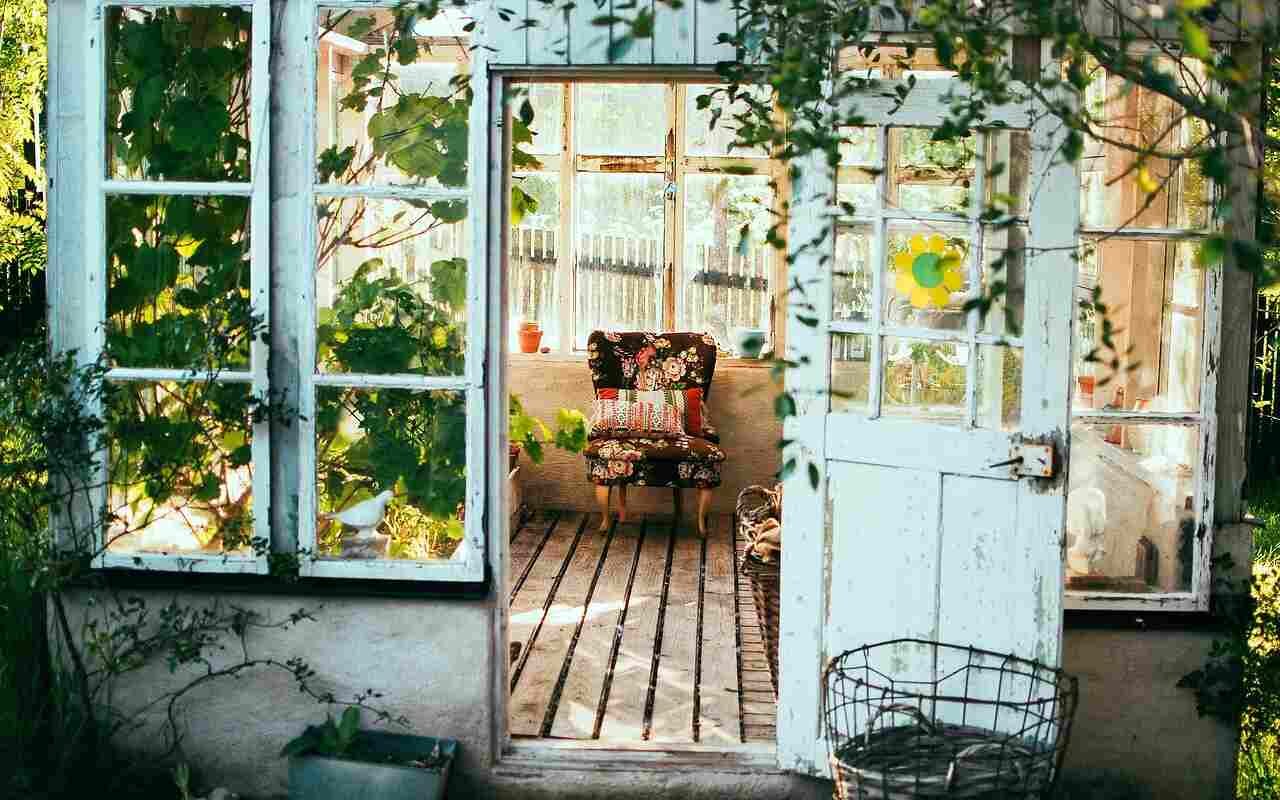
Interior design doesn’t have to feel overwhelming. Whether you’re decorating your first home or simply refreshing a room, these tried-and-true design rules will help you create a space that feels inviting, functional, and uniquely yours. Let’s break it down step by step to make sure you’re not just decorating but designing with purpose.
1. Prioritize Lighting – It’s the Foundation of Every Room
Lighting can make or break a space. Natural light is fantastic, but it’s not always enough. This is where layering your lighting comes in. Think beyond overhead fixtures—add floor lamps, table lamps, and even wall sconces to create a warm, balanced atmosphere. For some great inspiration, discover Sunmory lighting, and you’ll find statement pieces that deliver the light you need and heaps of style too. Have you ever walked into a room with harsh, single-bulb lighting? It’s unflattering and uninviting. By mixing different types of light, you’ll create depth and a cozy, welcoming vibe. And don’t forget dimmer switches—they’re a game-changer for adjusting the mood at any time of day.
2. Choose a Color Palette You Can Live With
Color sets the tone for your space. Are you drawn to soothing neutrals, bold jewel tones, or earthy shades? Once you know what speaks to you, pick three to five colors and stick to them. Too many colors can overwhelm a room, while too few can feel bland. For a cohesive look, choose a dominant shade for walls or large pieces and then layer in complementary accents. If you’re nervous about committing, start small with paint samples or accessories like cushions and rugs.
3. Scale and Proportion Matter
Ever bought a piece of furniture that looked great in the store but completely overpowered your living room? That’s a lesson in scale. Scale and proportion are crucial in creating a balanced room. For example, if your space is small, avoid oversized furniture or patterns that feel too “busy.” Instead, opt for furniture that fits comfortably and allows for movement. In larger spaces, make sure your furniture isn’t dwarfed—use larger area rugs, taller bookcases, or statement lighting to fill the room appropriately.
4. Rugs: Size and Placement Are Everything
A rug can anchor a room and tie your design together, but only if you get the size right. Too small, and it’ll look like an afterthought; too large, and it might overwhelm the space. The rule of thumb? In living rooms, all furniture should either sit fully on the rug or have at least the front legs on it. In dining rooms, ensure the rug extends enough that chairs remain on it when pulled out. And don’t shy away from layering—placing a smaller statement rug over a larger neutral one can add texture and visual interest.
5. Focus on Functionality
While aesthetics are important, your space also needs to work for you. Ask yourself: how do you use this room daily? If it’s a living room, you’ll need comfortable seating and surfaces for drinks or books. If it’s a workspace, prioritize ergonomic furniture and storage solutions. Think about flow, too—can you move through the space easily, or is there too much clutter? The best-designed spaces don’t just look good; they make life easier.
6. Mix Textures for Depth
A room without texture can feel flat, no matter how well-coordinated the colors are. Incorporate a mix of materials like wood, metal, glass, and fabric to add depth and personality. For instance, pair a sleek leather sofa with a chunky knit throw, or offset a shiny glass coffee table with a woven rug. Texture isn’t just about what you can see—it’s about what you can feel. A well-textured room invites people to touch and engage with the space, making it feel more alive.
7. Embrace Negative Space
Not every inch of your room needs to be filled. Leaving some areas open—what designers call “negative space”—creates breathing room and lets your design elements shine. If your shelves are packed to the brim or every wall is covered, the room can feel cramped and chaotic. Don’t be afraid to edit. Sometimes removing an item can have a bigger impact than adding one. Negative space gives your eyes a place to rest, which is especially important in today’s visually busy world.
8. Don’t Ignore the Walls
Walls are your canvas, so make the most of them. Beyond paint or wallpaper, think about art, mirrors, shelving, or even sculptural elements. Gallery walls are a popular choice, but they’re not your only option. A large statement piece can bring drama, while strategically placed mirrors can make a room feel larger and brighter. And if you’re worried about committing to nails in the wall, try removable hooks or adhesive strips—they’re renter-friendly and low-pressure.
9. Personalize With Accessories
This is where your personality can really shine. Accessories like throw pillows, books, vases, and even plants are the finishing touches that make a house feel like home. But here’s the key: less is more. Group items in odd numbers—threes or fives—for a more natural look, and vary their height and texture to keep it visually interesting. Family heirlooms, travel souvenirs, or handmade items are perfect ways to tell your story.
10. Trust Your Instincts
At the end of the day, this is your space. Design rules are helpful, but they’re not set in stone. If something doesn’t feel right to you, don’t force it. Trust your instincts and let your home reflect who you are. After all, your space should make you happy every time you walk through the door.
Your Space, Your Rules
Interior design doesn’t have to be complicated. With the right lighting, thoughtful furniture choices, and a personal touch, you can create a space that’s both functional and beautiful. Take it one step at a time, follow the rules that resonate with you, and remember—it’s all about creating a home that feels like yours.
