

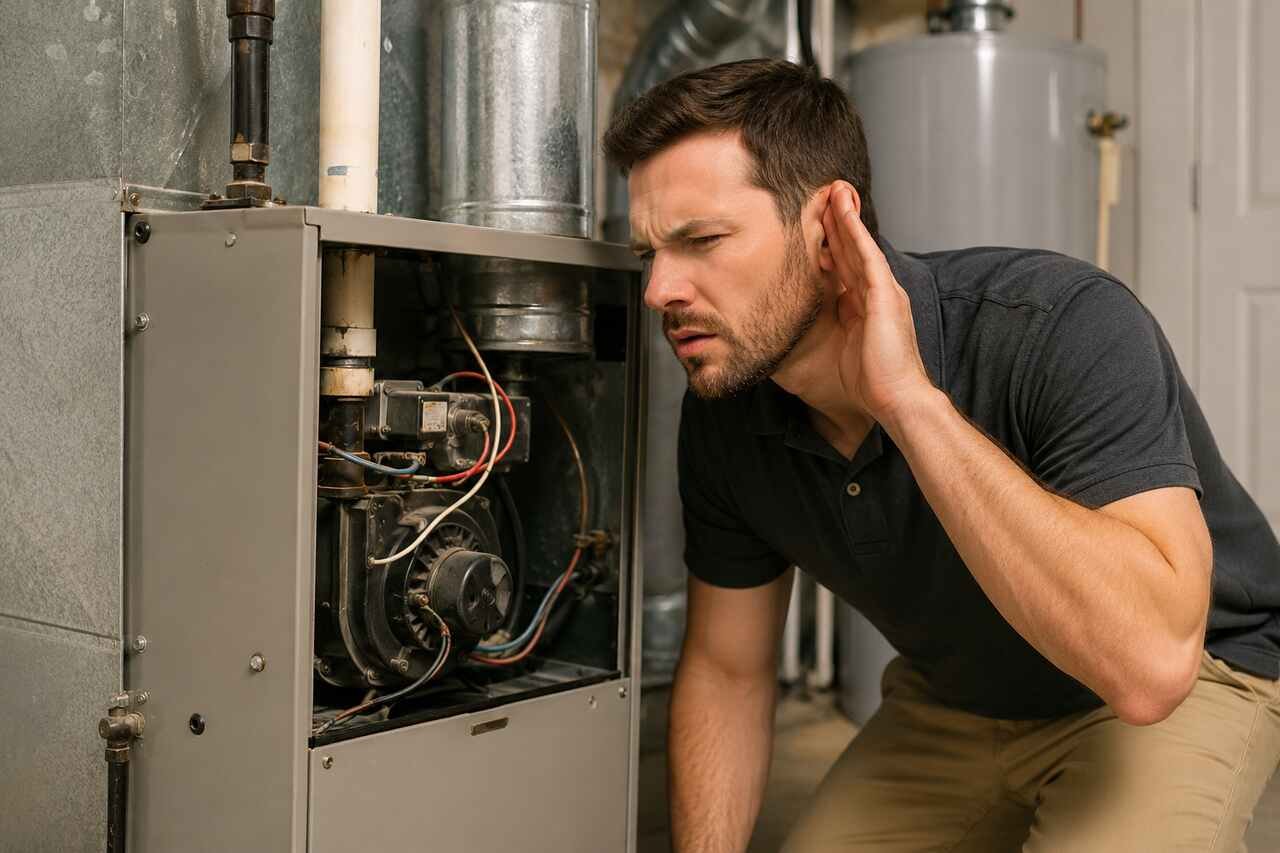
A heating system isn’t supposed to be completely silent, but it also shouldn’t sound like it’s struggling to do its job. While a gentle hum or the occasional click is perfectly normal, unusual noises often signal that something inside the system needs attention. Ignoring these sounds can lead to reduced efficiency, unexpected breakdowns, or more expensive repairs down the road.
If your furnace or heating system has started making unfamiliar noises, it’s worth understanding what they could mean. In some cases, a simple adjustment solves the problem. In others, professional heater repair Swainsboro, GA may be necessary to prevent a small issue from becoming a major one. Knowing the difference can help you protect both your comfort and your budget.
Banging or Booming Sounds
One of the most alarming sounds a heating system can make is a loud bang or boom when it starts. This noise often indicates delayed ignition in a gas furnace. Instead of igniting immediately, gas builds up before finally lighting, creating a small explosion inside the combustion chamber.
Another possible cause is expanding and contracting air ducts. As warm air begins flowing through cold metal ducts, they naturally expand, sometimes producing loud popping or banging sounds.
If the noise comes from the furnace itself rather than the ductwork, it’s best to have the system inspected promptly. Delayed ignition can create unnecessary stress on important components and should never be ignored.
Whistling or High-Pitched Sounds
A whistling noise usually points to restricted airflow somewhere in the system. The most common causes include:
- A clogged air filter
- Closed or blocked vents
- Dirty blower components
- Leaky ductwork
When airflow is limited, your heating system has to work harder to circulate warm air throughout your home. Replacing the air filter is often the easiest first step. If the noise continues afterward, the issue may require a more detailed inspection.
Rattling Noises
A rattling sound often develops gradually and can have several different causes. Sometimes it’s something as simple as a loose panel or screw vibrating while the system operates.
However, rattling may also indicate:
- Loose internal components
- Debris inside the blower assembly
- Aging ductwork
- A failing motor
If the noise becomes louder over time or is accompanied by reduced heating performance, it’s wise to schedule service before additional damage occurs.
Squealing or Screeching
High-pitched squealing or screeching noises typically come from moving mechanical parts. Older heating systems with belt-driven blowers may have worn or slipping belts, while newer systems may have motor bearings beginning to fail.
These sounds often mean increased friction inside the equipment. Continuing to operate the system without addressing the issue can place additional strain on the motor and shorten its lifespan.
Professional maintenance can identify worn components before they fail completely.
Clicking Sounds
A few clicks when your heating system starts or stops are perfectly normal. These sounds usually come from electrical relays or the thermostat activating the system.
However, continuous clicking is another matter. Repeated clicking may indicate:
- An ignition problem
- A faulty thermostat
- Electrical relay issues
- A malfunctioning control board
Electrical problems should always be evaluated by a qualified HVAC technician, as they can affect both safety and system reliability.
Humming or Buzzing
Most furnaces produce a low humming sound during normal operation. But if the hum becomes unusually loud or turns into a buzzing noise, there may be an electrical or mechanical problem developing.
Possible causes include:
- Loose wiring
- A failing capacitor
- A malfunctioning blower motor
- Transformer issues
Because electrical components are involved, buzzing noises should not be ignored. Early diagnosis often prevents more costly repairs later.
Popping Noises from the Ductwork
Many homeowners notice popping sounds shortly after the heating system turns on. In many homes, this is completely normal.
As heated air moves through metal ductwork, the metal expands. When the system shuts off and cools down, the ducts contract again, creating similar popping noises.
If the sounds are relatively quiet and only occur briefly during heating cycles, there’s usually no cause for concern. Exceptionally loud popping, however, could indicate improperly sized or poorly supported ductwork.
Grinding Sounds
Grinding is one of the most serious heating system noises you can hear.
This harsh metal-on-metal sound often indicates:
- Worn motor bearings
- Broken blower components
- Internal mechanical failure
Operating the furnace while it’s making grinding noises can quickly worsen the damage. Turning off the system and arranging for professional service is usually the safest course of action.
Why You Shouldn’t Ignore Strange Heating Noises
Many heating problems begin with subtle warning signs. Unusual sounds are often among the earliest indicators that something isn’t working correctly.
Ignoring these noises can lead to:
- Higher energy bills
- Reduced heating efficiency
- Unexpected system failures
- More expensive repairs
- Shorter equipment lifespan
Addressing small problems early is almost always less costly than waiting until the system stops working altogether.
Simple Maintenance Can Prevent Many Problems
Routine maintenance plays a major role in keeping heating systems running quietly and efficiently. Homeowners can help by changing air filters regularly, keeping vents unobstructed, and paying attention to changes in system performance.
Professional annual inspections are equally important. During maintenance, technicians clean critical components, tighten loose hardware, inspect electrical connections, lubricate moving parts where applicable, and identify wear before it develops into a significant repair.
Preventive maintenance not only reduces unexpected noises but also helps improve efficiency and extends the life of your heating system.
Final Thoughts
Your heating system communicates through the sounds it makes. While some noises are completely normal, others serve as early warning signs that shouldn’t be overlooked. Banging, grinding, screeching, persistent clicking, or loud buzzing often indicate issues that require prompt attention, while occasional duct popping or brief startup clicks are generally harmless.
By learning to recognize the difference, homeowners can respond appropriately before small concerns become expensive repairs. Paying attention to unusual noises, performing routine maintenance, and scheduling professional inspections when necessary will help keep your heating system operating safely, efficiently, and reliably throughout the colder months.
