
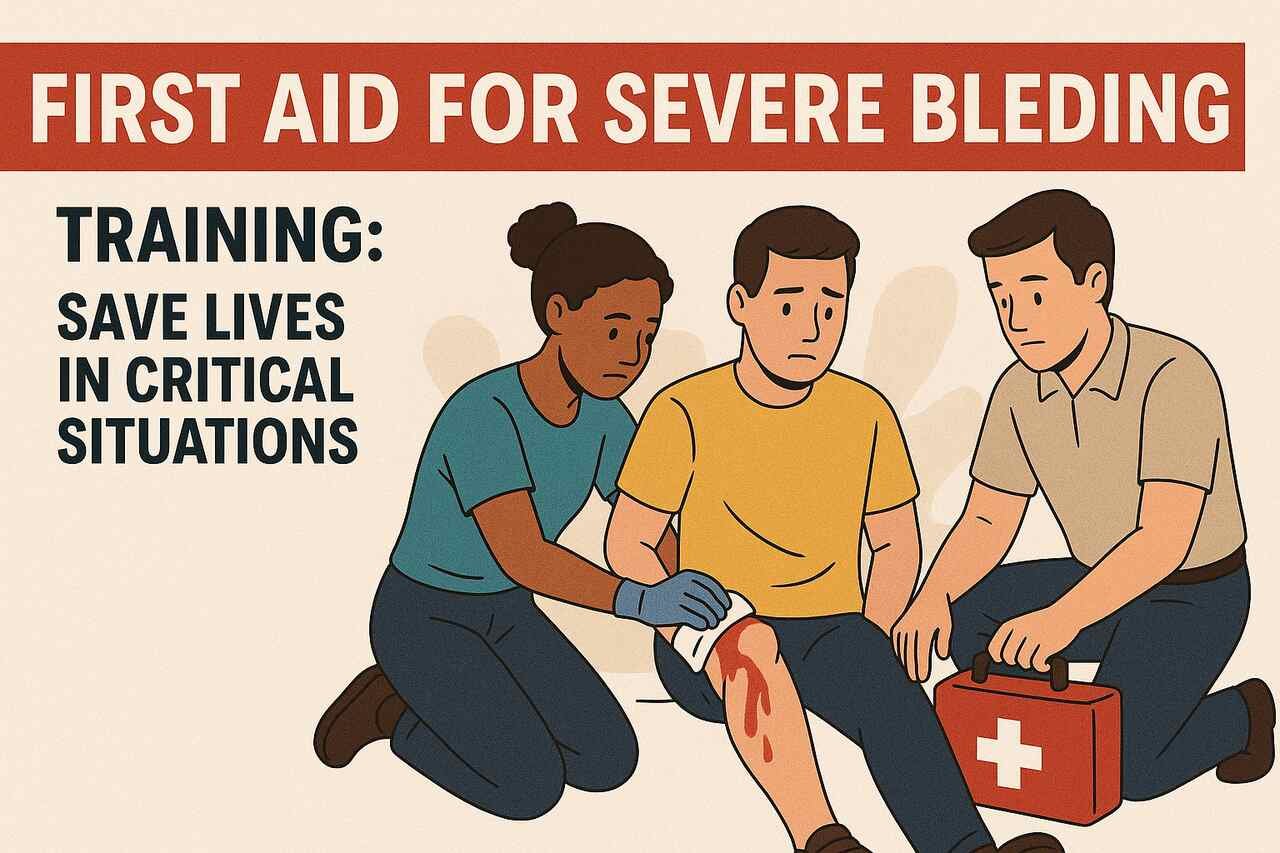
Severe bleeding can be life-threatening if not treated right away. It can happen from deep cuts, falls, or accidents. Knowing how to respond in those first moments can save a life.
First aid training helps people stay calm and act quickly during emergencies. It teaches the right steps to control bleeding and protect the victim. Anyone can learn these simple but vital techniques with proper guidance.
Learn more about first aid for severe bleeding and how training can prepare you for real situations in the sections below.
Understanding Severe Bleeding Emergencies
Severe bleeding occurs when a large blood vessel is damaged, causing rapid blood loss. This type of bleeding can happen internally or externally, depending on the injury. Recognizing the signs early helps prevent complications like shock.
People who know how to react can reduce the risk of permanent harm. Proper training helps identify when to apply pressure or when to seek emergency help. Being ready can turn panic into controlled, effective action.
Importance of Quick Response
Every second counts during severe bleeding. Quick response can mean the difference between life and death. Delays can cause major blood loss that leads to organ failure.
Training teaches how to apply firm pressure and use materials to stop bleeding. It also guides when to elevate the injured part if possible. Learning these actions through structured first aid lessons prepares individuals for real-life emergencies.
Step-by-Step Control Methods
Controlling bleeding means taking the proper steps in order. Start by pressing directly on the wound with a clean cloth or bandage. Maintain firm pressure until the bleeding slows or stops. If the cloth becomes soaked, leave it in place and add additional layers on top.
Avoid using improvised tools that can cause more injury. Certified courses from trusted sites like https://cprcertificationnow.com provide step-by-step guidance to handle these situations safely and correctly.
Using a Tourniquet the Right Way
Tourniquets are useful for controlling bleeding when pressure alone is not enough. They should be placed above the wound, between the injury and the heart. Training teaches where and how tight to secure it without causing more damage.
Using it the wrong way can lead to tissue harm or even loss of the limb. This method should be done only when necessary and by someone who has been properly trained. With guidance, this tool becomes a lifesaving option.
Preventing Shock During Bleeding
Shock can develop when the body loses too much blood. It leads to confusion, pale skin, and weak pulse. Keeping the victim calm and lying down helps. Elevate the legs slightly if there are no injuries to the spine or legs.
Cover the person to keep them warm until medical help arrives. These steps can keep the victim stable while waiting for professionals to take over.
Training for Real-Life Application
Practice builds confidence in handling severe bleeding. Training includes hands-on exercises and real-life scenarios. It prepares people to stay composed and take quick action under pressure.
Regular refreshers help keep skills sharp and up to date. Knowing what to do gives peace of mind to anyone who might face such an emergency. Being trained turns fear into readiness.
Enroll in First Aid for Severe Bleeding Training
Learning first aid for severe bleeding empowers people to act when lives are at risk. Prompt, correct actions can prevent tragedy and boost survival chances.
Training teaches techniques that anyone can apply in emergencies. The more people learn, the safer communities become. Investing time in learning first aid is an important step toward saving lives.
Should you wish to read more, check our blog. We’ve got other topics!