

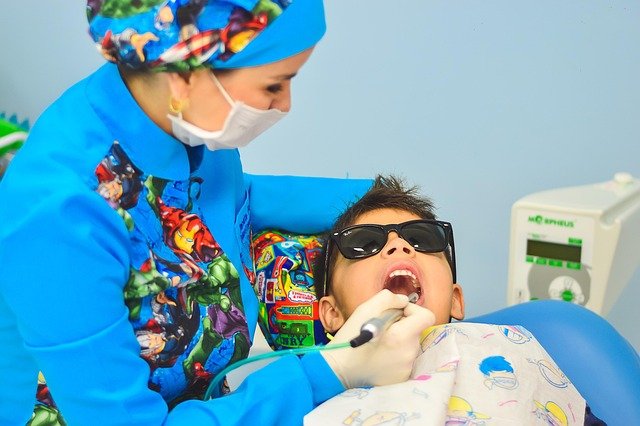
Local anesthetics are essential in dentistry, helping patients stay comfortable during treatment. Common choices include lidocaine, articaine, and mepivacaine, each offering its own benefits. Dentists select these agents based on factors such as duration, strength, and safety profile. While they all achieve the same basic goal of numbing the treatment area, they work in slightly different ways and are suited to different procedures. Knowing these differences helps dentists choose what works best for their patients. Many practices also look for reliable sources when purchasing, which is why anesthetics from Net32 have become a trusted choice for affordability and access to top brands. This variety in anesthetic options ensures that dentists can adapt their care to each unique clinical situation.
Lidocaine: The Standard Choice
Lidocaine has been a mainstay in dentistry for decades because of its consistent performance and broad safety record. It is often considered the first-line anesthetic for routine procedures. Lidocaine provides a medium duration of numbness, typically lasting long enough for most common treatments without lingering effects. It also has a relatively quick onset, giving dentists confidence in beginning a procedure without long delays. Many patients tolerate Lidocaine well, which is a trusted choice in dental care. Its steady results keep it a trusted standard for comparison.
Articaine: Known for Its Strong Penetration
Articaine has gained popularity in recent years due to its enhanced ability to penetrate bone. This quality makes it especially useful in procedures where deeper anesthesia is needed, such as extractions or working on molars. Articaine has a slightly faster onset compared to lidocaine, helping dentists work more efficiently. Its duration can vary depending on the use of a vasoconstrictor, but it often provides extended numbness that suits complex treatments. Dentists appreciate its effectiveness in areas that may be harder to reach with other anesthetics. Its growing use highlights how new options can improve patient comfort and procedural success.
Mepivacaine: Effective Without Vasoconstrictors
Mepivacaine is valued for its ability to provide reliable anesthesia without requiring vasoconstrictors. This makes it a preferred option for patients with medical conditions where epinephrine is not advised. Its slightly shorter duration can be a benefit in cases where prolonged numbness is not desired, such as simple fillings or diagnostic procedures. Mepivacaine is known for its smooth onset and consistent results across various applications. Dentists often keep it available as a versatile choice for special circumstances. For certain patient populations, mepivacaine is not just effective but also the safest alternative.
Comparing Onset, Duration, and Application
When comparing lidocaine, articaine, and mepivacaine, the differences lie in how quickly they act, how long they last, and when they are most useful. Lidocaine offers balance and is suitable for most common treatments. Articaine excels when deeper or longer anesthesia is required, giving it an advantage for surgical cases. Mepivacaine shines when epinephrine-free anesthesia is needed, making it an essential tool for patients with cardiovascular sensitivities. This variety ensures that dentists are not limited to a single option but can instead tailor anesthesia to the patient and the procedure. Understanding these distinctions leads to better outcomes and greater patient satisfaction.
Value in Clinical Practice
Each anesthetic has a role to play in modern dentistry, and clinics that stock all three are prepared for a wide range of scenarios. Access to quality anesthetics also plays an important role in keeping costs manageable for practices. Affordable purchasing options help ensure that dental teams can continue delivering high-quality care without compromise. This combination of clinical versatility and smart purchasing decisions helps practices thrive while keeping patient comfort a top priority. As dentistry evolves, the right anesthetic choices remain central to patient trust and treatment success.
Lidocaine, articaine, and mepivacaine each bring distinct benefits to dental care. Lidocaine remains the dependable standard, articaine provides strong bone penetration, and mepivacaine offers safe alternatives for patients who cannot have vasoconstrictors. Dentists who understand and apply these differences are able to deliver treatment that is both effective and personalized. These anesthetics continue to shape the quality of patient experiences and the efficiency of dental practices. In every case, selecting the right local anesthetic makes all the difference in comfort, safety, and successful outcomes.
