

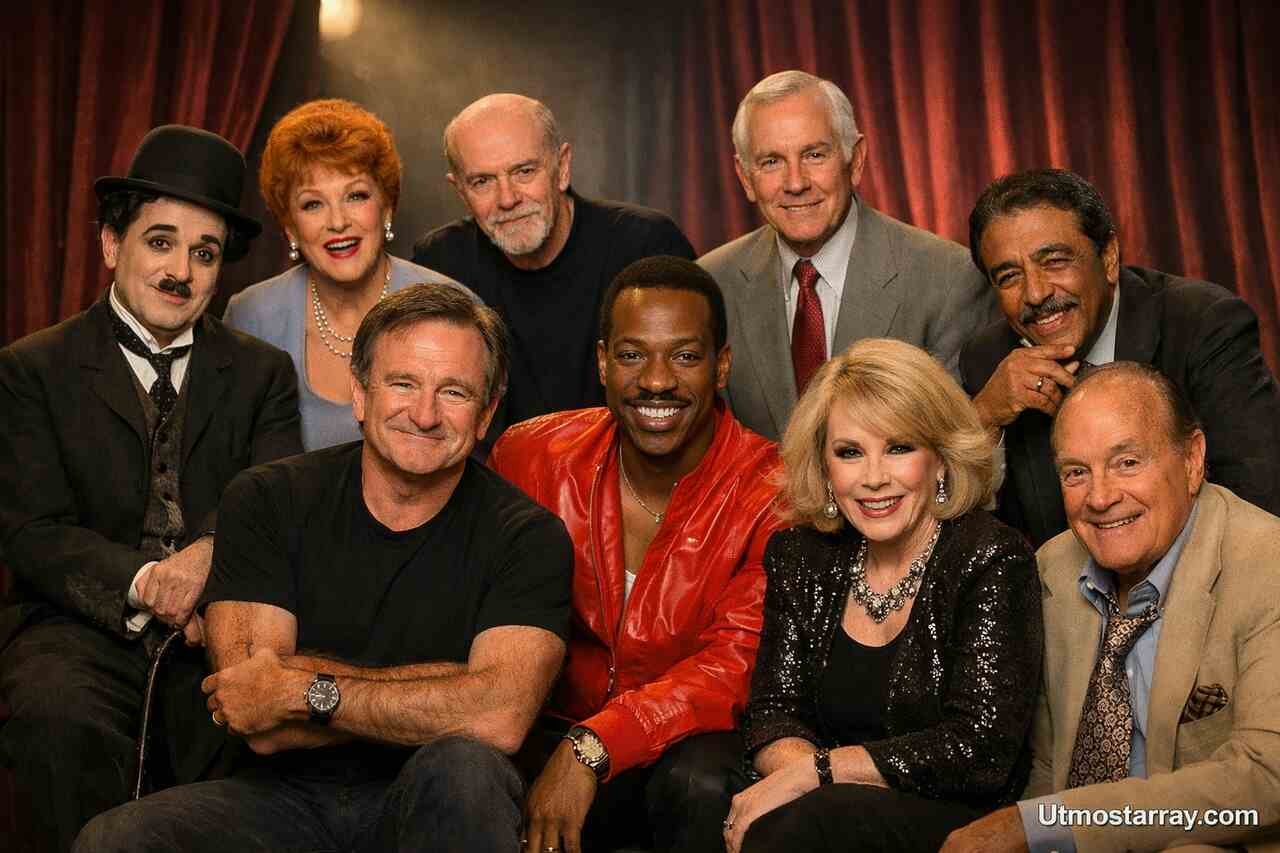
Highlights
- Comedy Icons Redefined Generations: Legends like Richard Pryor and George Carlin didn’t just entertain they challenged social norms and reshaped the art of stand-up comedy.
- Television Elevated Comedic Legends: Comedians like Lucille Ball and Jerry Seinfeld used sitcoms to bring humor into everyday life, making their styles unforgettable and relatable.
- Film Amplified Comedic Expression: Charlie Chaplin and Jim Carrey expanded comedy through physicality, timing, and emotional range, transforming how humor worked on the big screen.
- Sketch Comedy Brought Creative Flexibility: John Cleese and Keegan-Michael Key used sketches to experiment with satire, absurdity, and character-driven humor.
- Comedians Influenced Culture Beyond Laughter: Dave Chappelle and Joan Rivers used humor as a social weapon, sparking conversations around identity, politics, and truth.
- The Future of Comedy Is Digital and Inclusive: Bo Burnham and Ali Wong represent the evolution of comedy through personal storytelling, technology, and diverse perspectives.
Introduction
Laughter connects people across generations, cultures, and experiences. The best comedians of all time didn’t just tell jokes, they redefined comedy, shaped pop culture, and influenced how audiences perceive humor itself. From sharp political satire to observational genius and slapstick antics, these iconic figures mastered the art of timing, delivery, and storytelling. Understanding who they are, what makes their craft so impactful, and how their legacies continue to echo today helps us appreciate not just the laughs but the meaning behind them.
Who Truly Defines the Greatest Comedians of All Time?
Comedy legends earn their status not only through fame but through lasting influence, originality, and audience connection. Great comedians make people laugh while also offering insight, perspective, and authenticity. Their material stands the test of time because it reflects universal human experiences.
Icons like Richard Pryor, George Carlin, and Joan Rivers didn’t just entertain, they pushed boundaries and challenged social norms. Their performances reflect courage, vulnerability, and truth wrapped in humor. That balance between laughter and reflection is what elevates their work beyond momentary applause.
The ones who truly define greatness are those whose influence is visible in generations after them. Their techniques, timing, and themes continue to be referenced, mimicked, and celebrated. They are the backbone of modern stand-up, television comedy, and sketch performance.
Richard Pryor’s Groundbreaking Authenticity
Pryor turned pain into punchlines, telling stories that were raw, uncomfortable, and deeply human. He didn’t shy away from sensitive topics like race, addiction, or family dysfunction. Instead, he used his personal experiences to connect with audiences on an emotional level.
George Carlin’s Intellectual Edge
Carlin was a master of language and logic. He used comedy to question institutions, challenge beliefs, and expose hypocrisy. His ability to turn everyday absurdities into philosophical commentary made him one of the most thoughtful minds in comedy history.
Why Does Stand-Up Comedy Leave Such a Lasting Impact?

Stand-up comedy creates a personal, unscripted connection between the performer and the audience. The best stand-up moments feel spontaneous and alive, creating intimacy that other forms of entertainment often miss. This real-time interaction builds trust and emotion.
Many of the all-time greats started on small stages, refining their style night after night. The repetition, audience feedback, and emotional risk involved in stand-up sharpened their comedic edge. Performing live teaches resilience, adaptability, and fearlessness all key ingredients for greatness.
Stand-up legends often become cultural commentators, speaking directly to the collective consciousness. They take shared experiences and deliver them back through the lens of humor. Whether in smoky clubs or on global tours, the power of their presence shapes cultural narratives.
Eddie Murphy’s Explosive Charisma
Eddie Murphy dominated the stand-up scene with larger-than-life characters and unforgettable impressions. His performances in “Delirious” and “Raw” blended physical comedy, social observation, and confidence in a way few have matched since.
Robin Williams’ Unmatched Improvisation
Robin Williams brought kinetic energy to the stage, bouncing from voice to voice, thought to thought, without missing a beat. His ability to create entire worlds on the spot made his stand-up feel like a high-speed emotional rollercoaster.
What Role Has Television Played in Shaping Legendary Comedians?
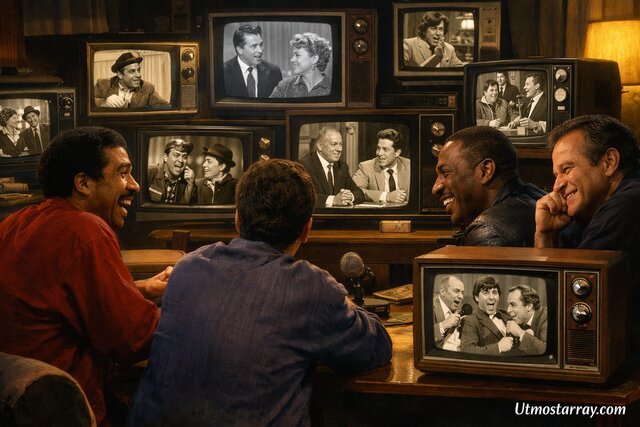
Television introduced comedians to global audiences, turning stand-up performers into household names. Sitcoms, sketch shows, and late-night hosting gigs expanded their reach and influence. TV also gave comedians the freedom to explore recurring characters, longer story arcs, and situational humor.
Performers like Lucille Ball and Jerry Seinfeld used television as a platform to redefine comedic storytelling. Ball’s slapstick brilliance and Seinfeld’s observational wit created new templates for sitcom success. Their shows not only entertained but also inspired generations of future comics.
TV exposure builds familiarity and loyalty. Viewers form long-term relationships with characters and personas, deepening the emotional impact of comedy. The more consistent and relatable the performance, the more iconic the comedian becomes.
Lucille Ball’s Physical Brilliance
Lucille Ball became a trailblazer through “I Love Lucy,” combining exaggerated expressions with perfectly timed gags. Her ability to turn simple misunderstandings into comic gold set a new standard for physical comedy on television.
Jerry Seinfeld’s Observational Precision
Seinfeld revolutionized the sitcom format by focusing on the minutiae of daily life. His comedy found hilarity in everyday annoyances, offering a smart and subtle alternative to traditional punchline-heavy humor.
How Did Film Expand the Reach of Comedy Icons?
Film allowed comedians to scale their ideas and characters to cinematic proportions. It also introduced new forms of storytelling, combining visuals, sound, and scripting in ways that extended beyond the stage. Movies provided a canvas for deeper character exploration and creative freedom.
Classic comedians like Charlie Chaplin and Buster Keaton pioneered visual humor during the silent film era. Their reliance on expression, movement, and physicality created universal laughter that transcended language and borders. Their work remains iconic because of its timeless appeal.
Modern film comedy combines sharp writing with dynamic performances. Stars like Jim Carrey and Bill Murray brought a new blend of emotional depth and outrageousness to big-screen humor. Their ability to balance absurdity with relatability kept audiences engaged and invested.
Charlie Chaplin’s Silent Mastery
Chaplin’s “Little Tramp” character became a global symbol of innocence, struggle, and resilience. His silent films spoke volumes without dialogue, relying on gestures, pacing, and heartfelt expression to evoke both laughter and empathy.
Jim Carrey’s Expressive Boldness
Jim Carrey exploded into stardom with roles that demanded facial flexibility, vocal range, and total physical commitment. His comedic performances often blended cartoonish behavior with surprising emotional layers.
What Makes Sketch Comedy a Unique Platform for Legendary Performers?
Sketch comedy offers flexibility to explore different themes, characters, and formats in short bursts. The rapid pace and variety allow comedians to experiment, adapt, and test their creativity. Successful sketches stick in public memory and often become cultural landmarks.
Shows like “Saturday Night Live,” “Key & Peele,” and “Monty Python’s Flying Circus” turned ensemble performers into individual stars. Sketch comedy also trains performers to write tightly and think visually, skills that translate across formats.
Sketch legends influence culture with catchphrases, impersonations, and satirical takes on current events. Their impact stretches from viral moments to broader social conversations, turning quick laughs into lasting impressions.
John Cleese’s Absurdist Genius
John Cleese, through Monty Python, created surreal sketches that defied logic but landed perfectly timed laughs. His intellectual humor disguised in silliness added depth to comedy that audiences still dissect and appreciate today.
Keegan-Michael Key’s Dynamic Characters
Key delivered punchy, layered characters across various skits with a remarkable range. His partnership with Jordan Peele redefined modern sketch comedy with social consciousness and sharp production values.
How Do Comedians Influence Society Beyond Entertainment?
Comedians often act as social commentators, holding a mirror to society. Through satire and exaggeration, they bring attention to injustice, hypocrisy, and collective fears. Humor creates space to process uncomfortable truths, making comedians powerful cultural voices.
Comedians shape language and introduce new ways of thinking. Their phrases, expressions, and worldviews become part of everyday speech. The best humorists don’t just entertain; they shape mindsets, challenge systems, and provoke reflection through laughter.
Comedy also provides relief during social turmoil. During times of political unrest, tragedy, or global stress, comedians give people permission to laugh again. Their role becomes therapeutic, helping audiences navigate complex emotions.
Dave Chappelle’s Social Depth
Chappelle blends storytelling with sharp cultural critique, tackling topics like race, politics, and identity with boldness and honesty. His stand-up specials often become conversation starters in both media and society.
Joan Rivers’ Fearless Commentary
Rivers confronted taboos around gender, fame, and aging with biting wit. Her unapologetic style broke ground for women in comedy and gave voice to topics often ignored in polite society.
What Will the Future of Comedy Look Like?
The future of comedy will likely blend technology with storytelling, creating new platforms and formats. Digital media, streaming services, and social platforms offer fresh opportunities for comedians to connect with audiences in innovative ways.
Upcoming performers are using short-form content, interactive media, and podcasting to build fanbases and deliver humor tailored to niche communities. Comedy is becoming more inclusive, global, and personalized, allowing for greater diversity in voices and styles.
The influence of legendary comedians will continue to serve as a foundation. Their techniques, courage, and originality provide a roadmap for new generations. The core of comedy truth, timing, and connection will always stay the same.
Bo Burnham’s Multimedia Innovation
Burnham combines music, video, and introspection to create comedy experiences that challenge form. His work blurs the line between performance and reality, pushing boundaries for what stand-up and comedy specials can be.
Ali Wong’s Cultural Relevance
Wong brings raw, personal, and cultural stories to the stage with humor and heart. Her success signals a growing appetite for diverse voices in mainstream comedy, paving the way for more inclusive storytelling.
Key Characteristics of Iconic Comedians Across Mediums
| Comedian | Medium | Unique Trait | Long-Term Impact |
| Richard Pryor | Stand-Up | Personal storytelling | Inspired generations of truth-telling comics |
| Lucille Ball | Television | Physical comedy | Revolutionized sitcom performance |
| Charlie Chaplin | Film | Silent expression | Created global language of humor |
| John Cleese | Sketch Comedy | Absurd logic | Redefined British surrealism |
| Dave Chappelle | Social Commentary | Cultural critique | Influenced public dialogue through humor |
Conclusion
Comedy isn’t just about punchlines it’s a reflection of society, personal truth, and emotional connection. The best comedians of all time left their mark by daring to be honest, inventive, and vulnerable. Their work remains relevant not because trends stay the same, but because laughter remains essential. Whether on stage, screen, or social media, the legacy of these comedic geniuses lives on, guiding both new performers and loyal audiences toward deeper, smarter, and more meaningful laughter.
FAQ’s
Who is considered the greatest comedian ever?
Richard Pryor is often cited as the greatest due to his raw storytelling, influence on countless comedians, and his fearless approach to personal and social topics.
Are classic comedians still relevant today?
Yes, comedians like Charlie Chaplin, Lucille Ball, and George Carlin continue to influence modern comedy through foundational techniques and universal themes.
What makes a comedian timeless?
A comedian becomes timeless by creating material that connects emotionally, addresses universal truths, and withstands changing cultural trends.
Can comedians be both funny and serious?
Absolutely. Many comedians balance humor with serious themes, offering both entertainment and insight. This combination often deepens their impact and broadens their reach.
How has the internet changed comedy?
Digital platforms allow comedians to reach global audiences instantly, experiment with new formats, and build followings without traditional gatekeepers. It has democratized comedy creation and distribution.

2 Comments
Pingback: Ali Siddiq Wife: What Is Known About His Marriage, Family, and Private Life?
Pingback: Shane Gillis Sister: Meet Kait Gillis and Learn About Their Family