

Introduction
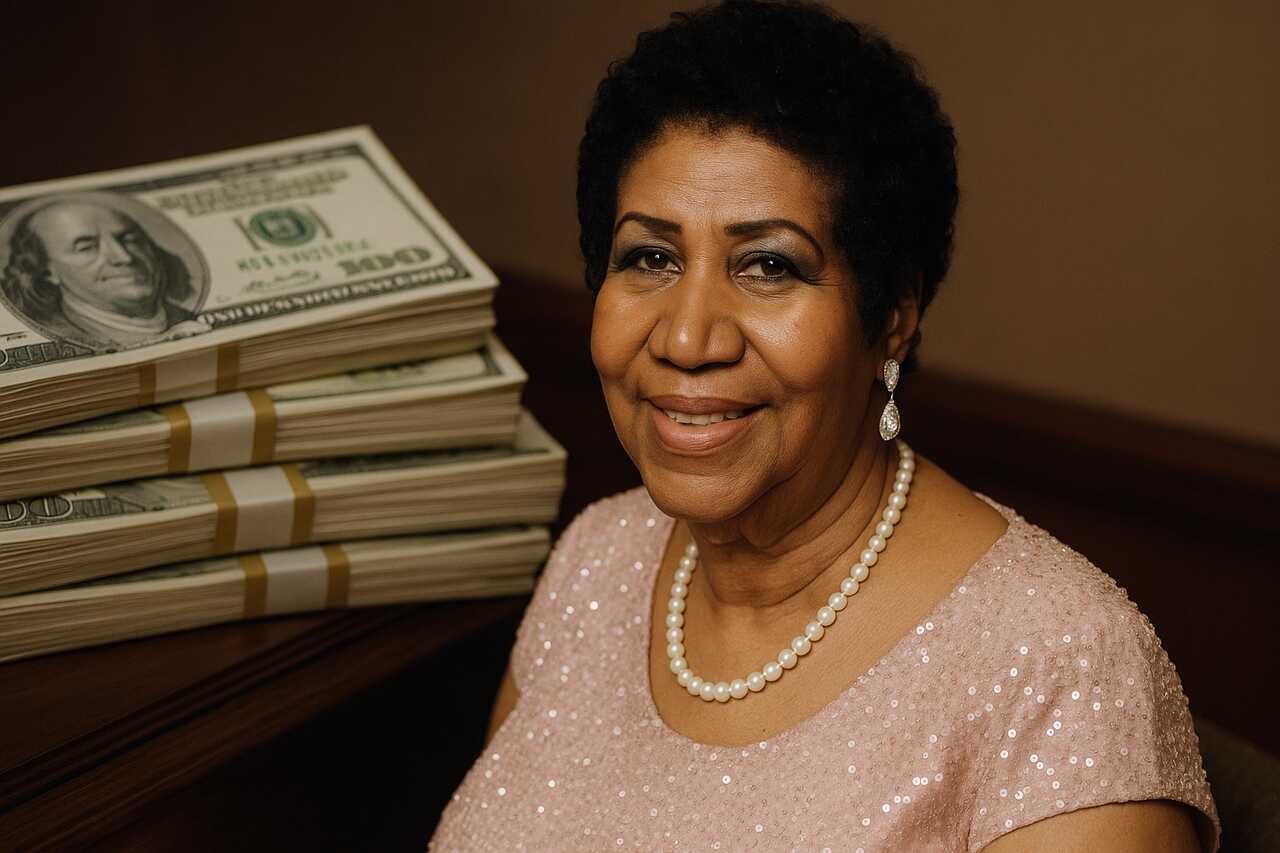
Aretha Franklin, widely known as the Queen of Soul, was far more than a music icon. She was a cultural force who defined generations through her voice, artistry, and perseverance. Over a career spanning more than six decades, Franklin not only influenced the sound of modern music but also built a financial legacy that continues to grow through royalties, licensing, and re-releases.
Her name is forever linked to classics like Respect, Chain of Fools, and (You Make Me Feel Like) A Natural Woman. Yet behind the music lies a fascinating financial story that reflects both her triumphs and her challenges. From her early gospel roots to her global fame, Aretha Franklin’s net worth reveals the economic strength and enduring power of her artistry.
This article explores how Aretha Franklin earned her wealth, the obstacles she faced, the complexity of her estate, and how her legacy continues to generate income long after her passing.
Build Wealth Through Music and Performances
Aretha Franklin’s estimated net worth at the time of her death in 2018 was about 80 million dollars. The foundation of this wealth came from her extraordinary success in the music industry. Her career began in the 1950s when she sang gospel music at her father’s church in Detroit. Her exceptional voice attracted national attention, leading to her first recording contract as a teenager.
Her true breakthrough came in the mid-1960s when she signed with Atlantic Records. The release of Respect in 1967 not only became her signature song but also a defining anthem for the Civil Rights and women’s movements. The massive success of that single and her subsequent albums brought in significant revenue through record sales, live performances, and radio royalties.
Throughout her lifetime, Aretha Franklin sold more than 75 million records around the world. Her concert tours filled arenas across the United States and Europe, earning her millions from ticket sales. During the 1970s and 1980s, she was one of the highest-paid female performers in the industry. Even later in life, her rare live appearances sold out quickly, proving her lasting influence and demand.
Monetize Royalties and Music Rights
Beyond performance income, one of Aretha Franklin’s most powerful and enduring financial assets was her music catalog. Every time one of her songs is sold, streamed, or used in a film or commercial, her estate receives royalties.
Iconic songs such as Think, I Say a Little Prayer, Chain of Fools, and A Natural Woman continue to generate significant income decades after their release. These songs are part of the cultural fabric of America and are frequently featured in movies, advertisements, and television shows.
Her royalties can be divided into several categories.
| Type of Royalty | Description | Example |
| Mechanical Royalties | Earned when her songs are sold physically or digitally. | Vinyl, CDs, digital downloads |
| Performance Royalties | Earned when her music is played publicly or broadcasted. | Radio, concerts, TV programs |
| Synchronization Royalties | Earned when songs are used in films or commercials. | Movie soundtracks, advertising |
| Streaming Royalties | Earned from digital platforms. | Spotify, YouTube, Apple Music |
These royalties became a long-term source of income for Aretha Franklin’s estate. With the rise of music streaming, her audience expanded to younger generations, ensuring her songs continue to produce consistent earnings year after year.
Invest in Real Estate and Tangible Assets
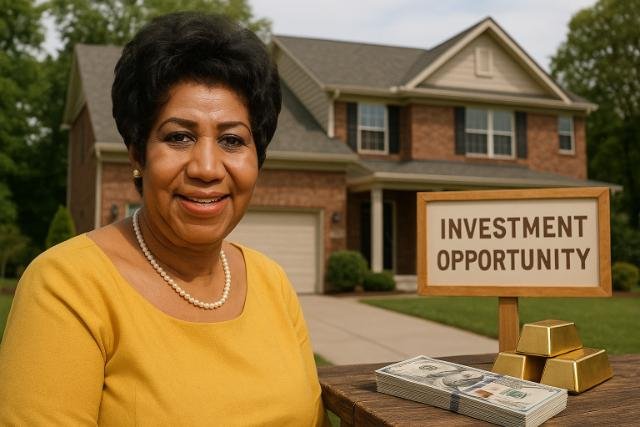
Aretha Franklin invested a portion of her wealth in real estate and tangible assets. She owned several properties in Detroit and Bloomfield Hills, Michigan. Her Bloomfield Hills mansion reflected both her success and her love for her hometown. These homes were valued in the millions and became a vital part of her financial portfolio.
In addition to real estate, she owned jewelry, luxury cars, and a large collection of performance gowns. Many of these items, especially her stage outfits, became part of exhibitions celebrating her career. Together, these assets represented not only her financial status but also the history of her artistic journey.
Handle Financial Challenges and Liabilities
Despite her tremendous success, Aretha Franklin’s financial story was not without challenges. She faced issues related to unpaid taxes that accumulated over the years. Reports indicated that by the time of her passing, she owed several million dollars in back taxes. Managing such a complex financial situation without a dedicated financial team contributed to these difficulties.
Another challenge was her lack of a formal estate plan. Although she wrote several handwritten wills, she never created a legally notarized will or trust. This lack of proper documentation led to confusion and legal disputes after her death. It also delayed the process of transferring assets and collecting royalties, reducing the immediate financial value accessible to her heirs.
Navigate Estate Battles After Her Death
When Aretha Franklin passed away in August 2018 at the age of 76, she left behind a large musical catalog and a complicated estate. Initially, it appeared that she had no will. Later, several handwritten wills were found in her home, including one discovered inside a couch cushion.
These handwritten documents created a long legal battle among her four sons. Each will contained different details about how her assets should be divided. The case went to court, and eventually a Michigan jury decided that the handwritten 2014 document was valid.
The legal process delayed the settlement of her estate for years. Taxes, debts, and attorney fees further reduced the estate’s value. While her lifetime net worth was estimated around 80 million dollars, her heirs received a much smaller amount initially, likely around 6 million dollars in cash and real estate. However, her ongoing royalties and music rights continue to generate income for her family.
Understand the Difference Between Net Worth and Estate Value
Many people confuse net worth and estate value when discussing celebrity finances. Understanding the difference helps explain why Aretha Franklin’s reported wealth varies across sources.
Net worth represents the total value of all assets, including cash, properties, investments, and intellectual property, minus liabilities. At her death, Aretha Franklin’s net worth was estimated at about 80 million dollars.
Estate value refers to the portion of wealth officially recognized and available for inheritance after taxes, debts, and probate costs. Because her catalog’s future royalty value could not be fully calculated at the time of her death, the estate’s declared value appeared much smaller.
This difference illustrates the gap between the financial power of her lifelong career and the immediate cash value available after her passing.
Preserve Legacy Through Posthumous Earnings
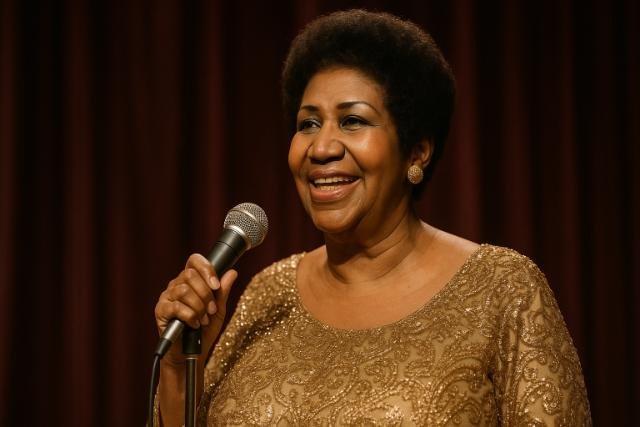
Even after her passing, Aretha Franklin’s financial influence continues to grow. Her estate earns millions each year from streaming services, licensing agreements, and film placements.
Her music is featured in movies, documentaries, and advertising campaigns, generating synchronization royalties. The release of the biographical film Respect, starring Jennifer Hudson, reignited public interest in her music, leading to an increase in digital streaming and sales.
Younger listeners continue to discover her music through online platforms such as TikTok, Spotify, and YouTube. This exposure expands her global fan base and ensures that her music remains relevant. Her estate also manages official merchandising and brand licensing, allowing her name and image to appear on authorized products.
The continued popularity of her songs has made Aretha Franklin one of the few artists whose estate remains financially active and stable years after her death.
Table: Key Components of Aretha Franklin’s Wealth
| Category | Description | Financial Impact |
| Record Sales | More than 75 million records sold globally. | Major source of income during her career. |
| Royalties | Ongoing income from streaming and licensing. | Generates millions annually. |
| Live Performances | Concerts and tours across the world. | High-earning periods in the 1970s and 1980s. |
| Real Estate | Properties in Michigan and Detroit. | Multi-million-dollar value. |
| Brand Legacy | Licensing and merchandising. | Continuous growth potential. |
Analyze the Cultural and Economic Impact
Aretha Franklin’s financial legacy cannot be understood without recognizing her cultural and social impact. She transformed American music by blending gospel, soul, and R&B into a new sound that inspired generations of artists. Her performances became symbols of empowerment, faith, and self-expression.
Her influence extended beyond music. She stood as a beacon for civil rights and gender equality, using her platform to support social causes. Every honor she received, from 18 Grammy Awards to the Presidential Medal of Freedom, increased the prestige and value of her brand.
Collectors, record companies, and historians continue to invest in her legacy. This ongoing recognition ensures that her music remains valuable both culturally and financially.
Secure the Future of Her Estate
Aretha Franklin’s heirs have continued to protect and manage her estate. With the assistance of financial advisors, legal professionals, and music industry experts, her estate now operates with better organization. Their main goal is to ensure that her music catalog is properly licensed and that royalties are accurately collected worldwide.
They have also taken steps to trademark her name and image to prevent unauthorized commercial use. This ensures that her brand remains respected and that all future profits contribute to her family’s inheritance.
As time passes, the estate is expected to become more stable. The combination of legal resolution, new licensing deals, and the timeless appeal of her music will likely expand her posthumous net worth even further.
Conclusion
Aretha Franklin’s net worth reflects a life of immense talent, success, and perseverance. With an estimated value of 80 million dollars at the time of her passing, she remains one of the wealthiest and most respected figures in music history.
Her journey was not without challenges. Tax issues, the absence of a formal will, and legal disputes reduced the immediate value of her estate. Yet the strength of her artistry and the continued popularity of her songs ensure that her financial legacy endures.
Aretha Franklin’s story teaches valuable lessons about financial planning, intellectual property, and legacy management. Her voice and influence continue to inspire, proving that true wealth lies not only in money but also in the timeless impact one leaves behind.
FAQ’s
- What was Aretha Franklin’s net worth when she died?
Her estimated net worth was about 80 million dollars at the time of her death in 2018. - Why do some reports list lower amounts?
Some reports only count her liquid assets, such as cash and property, and exclude the long-term value of her music catalog and royalties. - Did Aretha Franklin have a will?
She did not have a formal typewritten will, but handwritten wills were later discovered and verified in court. - Who inherited Aretha Franklin’s estate?
Her four sons inherited her estate and now oversee her assets and future royalties. - Does her estate still earn money today?
Yes. Her music continues to generate significant income from streaming, licensing, and commercial use.
6. What can people learn from her financial experience?
Aretha Franklin’s story highlights the importance of proper estate planning, tax management, and protecting intellectual property to ensure a lasting legacy.
